Damtua Waterfall: How to Reach, Permits, Costs, and Travel Tips

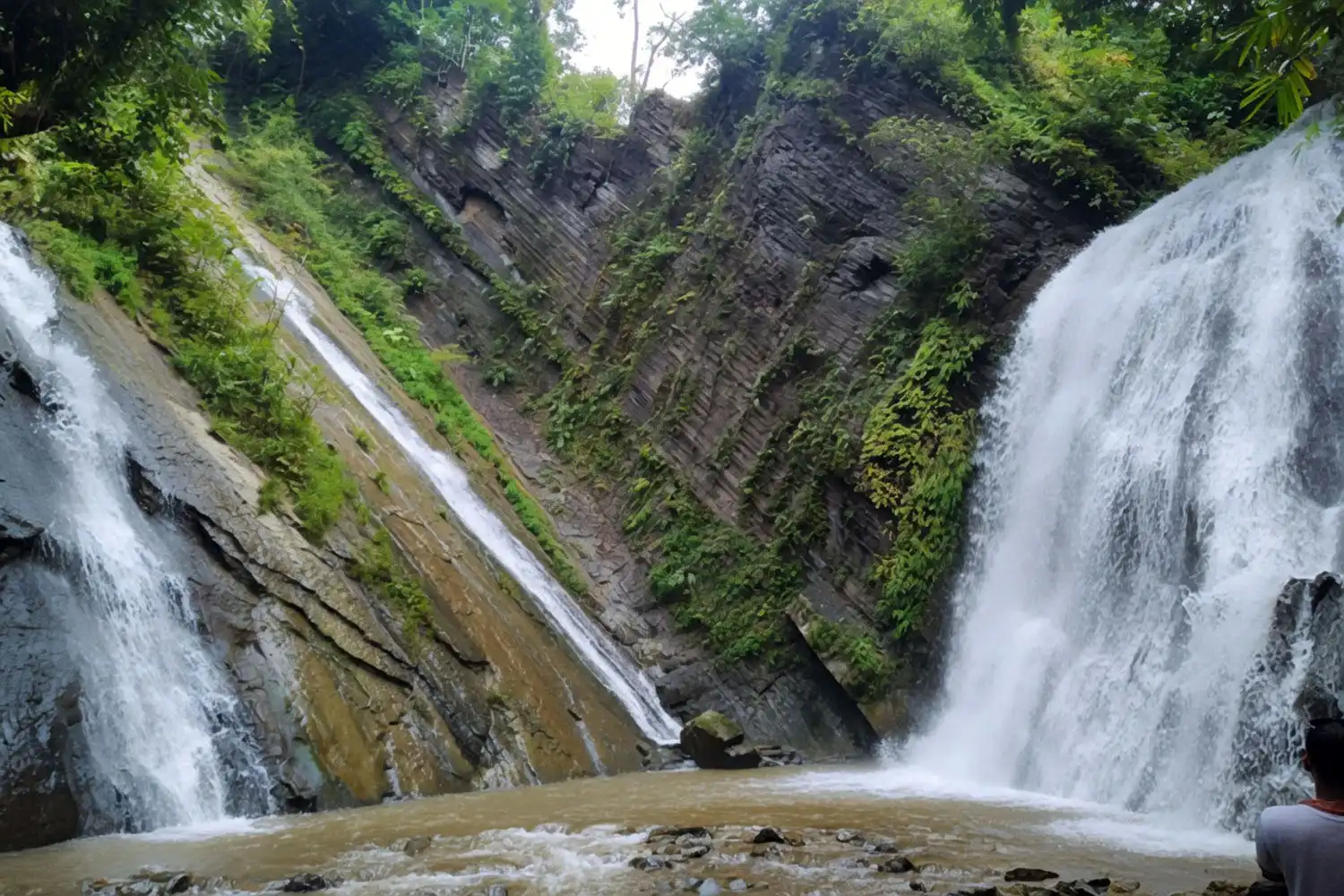
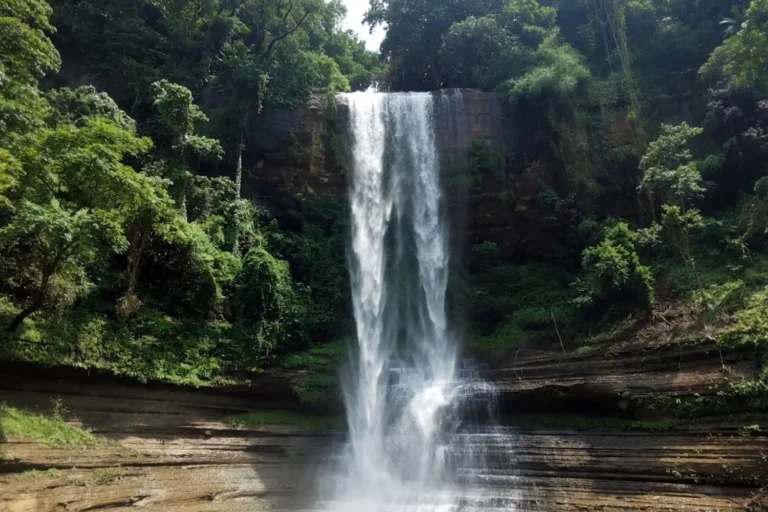
Damtua Waterfall (দামতুয়া ঝর্ণা) sits deep in the hills of Alikadam Upazila in Bandarban. It ranks among the biggest and most beautiful waterfalls in Bangladesh. The trail to reach it is rough and long, which is why adventure travelers love it.
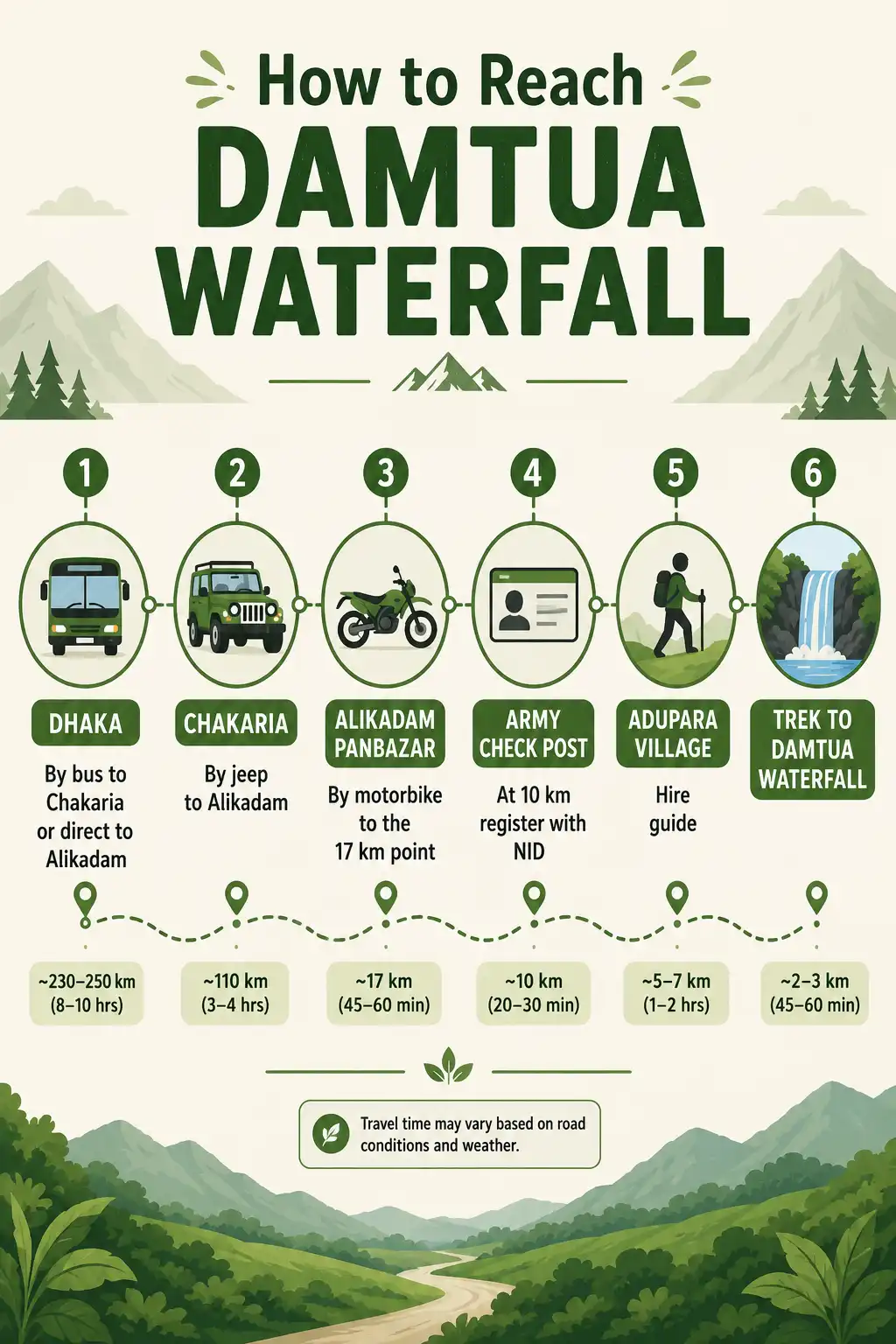
Damtua sits at the end of a 12 to 13 kilometer round-trip hike from Adupara village. You travel through Chakaria to Alikadam, ride a bike to the 17 kilometer point, then trek with a local guide. You also register at an army check post and finish the same day.
How to reach Damtua Waterfall
To reach Damtua Waterfall, you first get to the 17 kilometer point on the Alikadam-Thanchi road, and from there you trek in. The full trip usually looks like this:
- Travel to Chakaria in Cox’s Bazar on any Cox’s Bazar-bound bus, or take a direct Dhaka-to-Alikadam bus.
- From Chakaria, take a local bus or a Chander Gari (jeep) to Alikadam.
- At Alikadam Panbazar, hire a motorbike or reserve a jeep out to Adupara at the 17 kilometer point.
- Register at the army camp near the 10 kilometer mark with your National ID and phone number.
- From Adupara, hire a local guide and start the trek to the waterfall.
Before you set off: Carry a copy of your National ID. You must register at the 10 kilometer army camp and finish the trek the same day, reporting back before 5 PM. A local guide is required from Adupara. The wettest months bring the most water but also the toughest trail.
Dhaka to Alikadam
You can reach Alikadam in two main ways. Shyamoli and Hanif both run direct buses from Dhaka to Alikadam, and the fare is around BDT 850. Otherwise, you take any Cox’s Bazar-bound bus and get off at Chakaria first. The Dhaka to Chakaria fare runs about BDT 950 to 2,200 depending on the class. When you board, ask the supervisor to drop you at Chakaria Bazar. After that, the new bus terminal at Chakaria has local buses to Alikadam. You can also take a local Chander Gari, or reserve one if your group is large. Most travelers find the Chakaria route the most convenient and time-saving option. Treat all fares as rough figures, since they shift with fuel prices and the season.
Alikadam to Adupara and the trek
From Alikadam Panbazar, you hire a motorbike out to Adupara at the 17 kilometer point of the Alikadam-Thanchi road. Two people can ride per bike, and the fare is about BDT 250 to 300 each. Bargain before you agree. Larger groups can instead reserve a Chander Gari or jeep from Alikadam.
About 10 kilometers along this road, you reach an army camp. Everyone has to enter their name with a National ID and phone number, then get permission to continue. Keep this firmly in mind: you must finish the trek that same day and report back to this 10 kilometer camp before 5 PM. So watch the clock the whole way.
At the 17 kilometer point, you step off at Adupara village and begin trekking. The round trip from Adupara takes roughly 6 hours. Before you head out, grab anything you still need from the small local shops. For lunch, carry dry food, because there is nothing to buy on the trail itself. A six-hour walk over hills is no small thing, so it helps to pace yourself across a long day and start early.
Also see: Naikhongchhari Lake: Costs, Routes
Where is Damtua Waterfall and what makes it special?
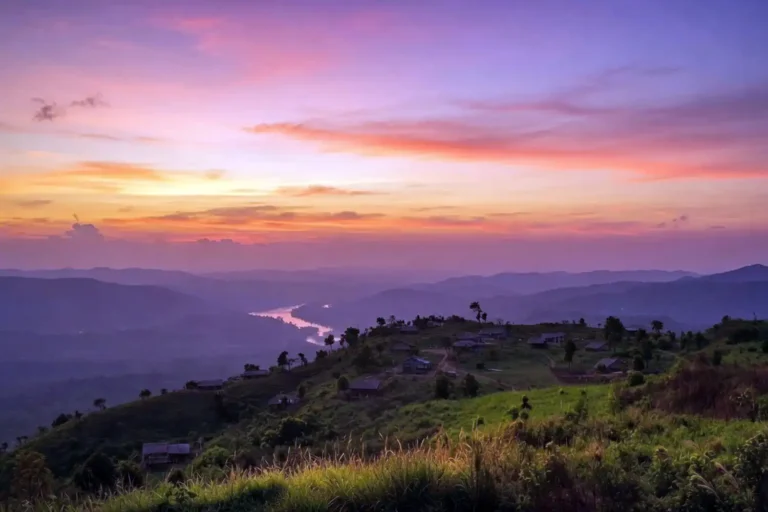
Damtua Waterfall is in Alikadam Upazila of Bandarban, deep in the remote southeastern hills of Bangladesh. Among the many waterfalls tucked across this district, Damtua stands out for its size and shape. Two streams of water drop together here, which gives it an unusual twin look. The surrounding hills stay green and quiet, and the whole area feels far from any town. Because the road in is so rough, the spot still sees fewer crowds than easier destinations.
Why is it called Damtua?
Damtua Waterfall goes by several names, and each one comes from the local language. Many people call it Tuk Oh, others say Lamonai, and some simply say Damtua. The falls sit in a Mro (Murong) area, and in the Mro language “Tuk” means frog while “O” refers to the stream, so locals call the stream below the frog jhiri. The name Lamonai points to moonlight, since two falls meet in one open space. These names show how closely the local community ties this place to its own land and history.
How long and hard is the Damtua trek?
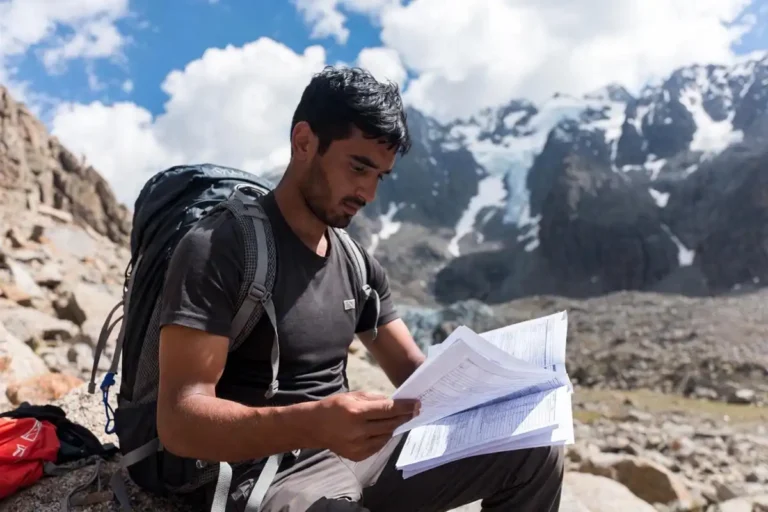
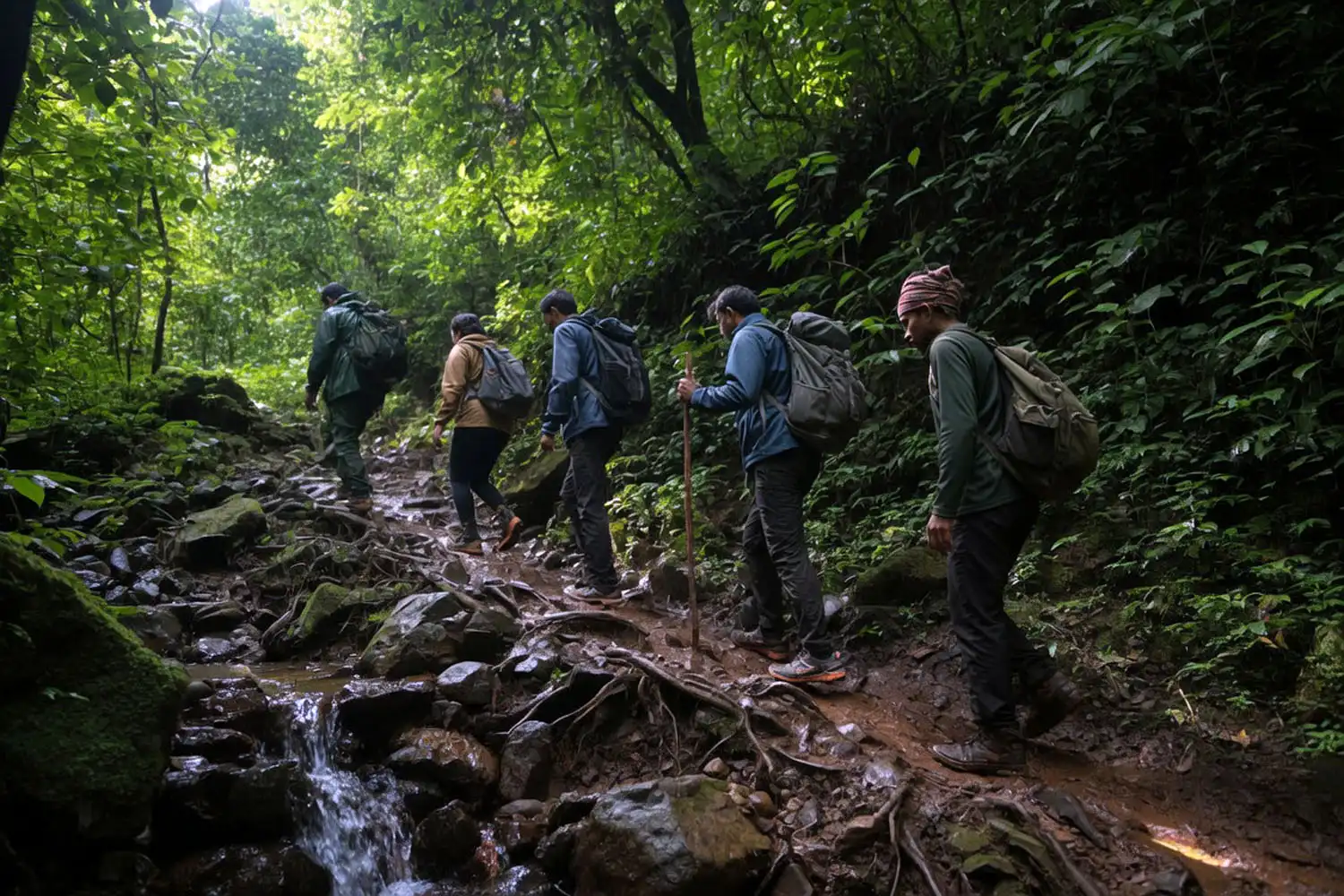
The Damtua trek covers about 12 to 13 kilometers round trip over steep, uneven hill paths. This is a genuinely tough walk. You climb, descend, and cross streams, and parts of the trail turn slippery in the wet season. People who are not used to hill walking will struggle, so I would not bring young children, elderly relatives, or anyone unfit for a hard day out. Good footwear matters a lot here. Before a steep descent like this, I always make a point of lacing boots for steep, slippery ground, and I keep my pack light so my knees thank me later. Rest when you need to, move steadily, and the trail stays manageable.
When is the best time to visit Damtua Waterfall?
You can visit Damtua Waterfall at any time of year, but the monsoon and the weeks right after it are best, because that is when the falls run full. From around June through October, the water is strong and the hills are lush. Heavy rain, on the other hand, turns the trail much harder and more slippery, so check the forecast first. If you are still deciding when to go, the same logic applies to most hill destinations, and it helps to think about choosing the right season for any trip before you book.
Do you need a guide and army permission?
Yes, you need both a local guide and army permission to reach Damtua Waterfall. You hire a guide at Adupara for the whole day, and the fee runs about BDT 500 to 800, which you should bargain. The guide leads you to the waterfall and back, and there are other falls and streams nearby, so ask in advance what the route can include. For permission, you register at the army camp near the 10 kilometer mark with your National ID and phone number.
As of 2026, Alikadam is open to tourists. The administration reopened the upazila in late 2024, and Bandarban’s wider travel limits came off through 2025. Even so, the check-post registration and the same-day return rule still apply, and traveling with a registered local guide is now standard across the hill tracts. If you have done other remote falls in the region, this will feel familiar. The longer trek out to Amiakhum, for example, runs on the same guide-and-NID system.
Other waterfalls on the way
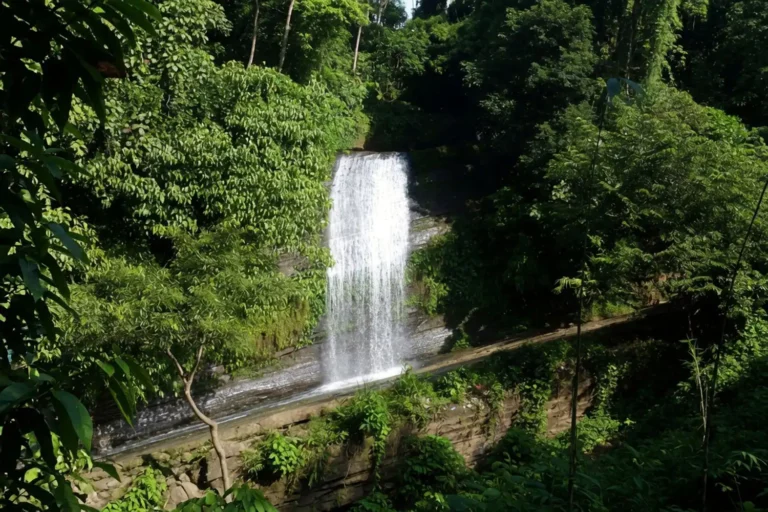
The walk to Damtua passes several other waterfalls, so you can see more than one in a single trip. Wangpa Waterfall and Tuk Oh Jhiri Waterfall both sit along the route, along with a few smaller cascades. Many people add Wangpa after Damtua, since the two are close, though the trail to it is harder. Talk to your guide early about which falls you want, because adding stops changes your timing. If you want even more waterfall trekking in the area, Alikadam also holds Thankowain falls in the same upazila, which makes a good second day if you can spare one.
Where to stay near Damtua Waterfall
You cannot stay overnight on the way to Damtua, because the army camp no longer allows it, so you return to Alikadam the same day. Alikadam itself has limited lodging, and there is no high-end hotel here. For most people, the simplest plan is to finish the day and head straight back. If you came from Dhaka, you can arrive in the morning, trek all day, and catch an evening bus home, or return through Chakaria to your next stop. Should you really need to stay, one local option is The Damtua Inn on Alikadam Upazila Road. You can call ahead on 01748-912127, though I would confirm the rate and availability first, since small-town details change often.
Where to eat in Alikadam
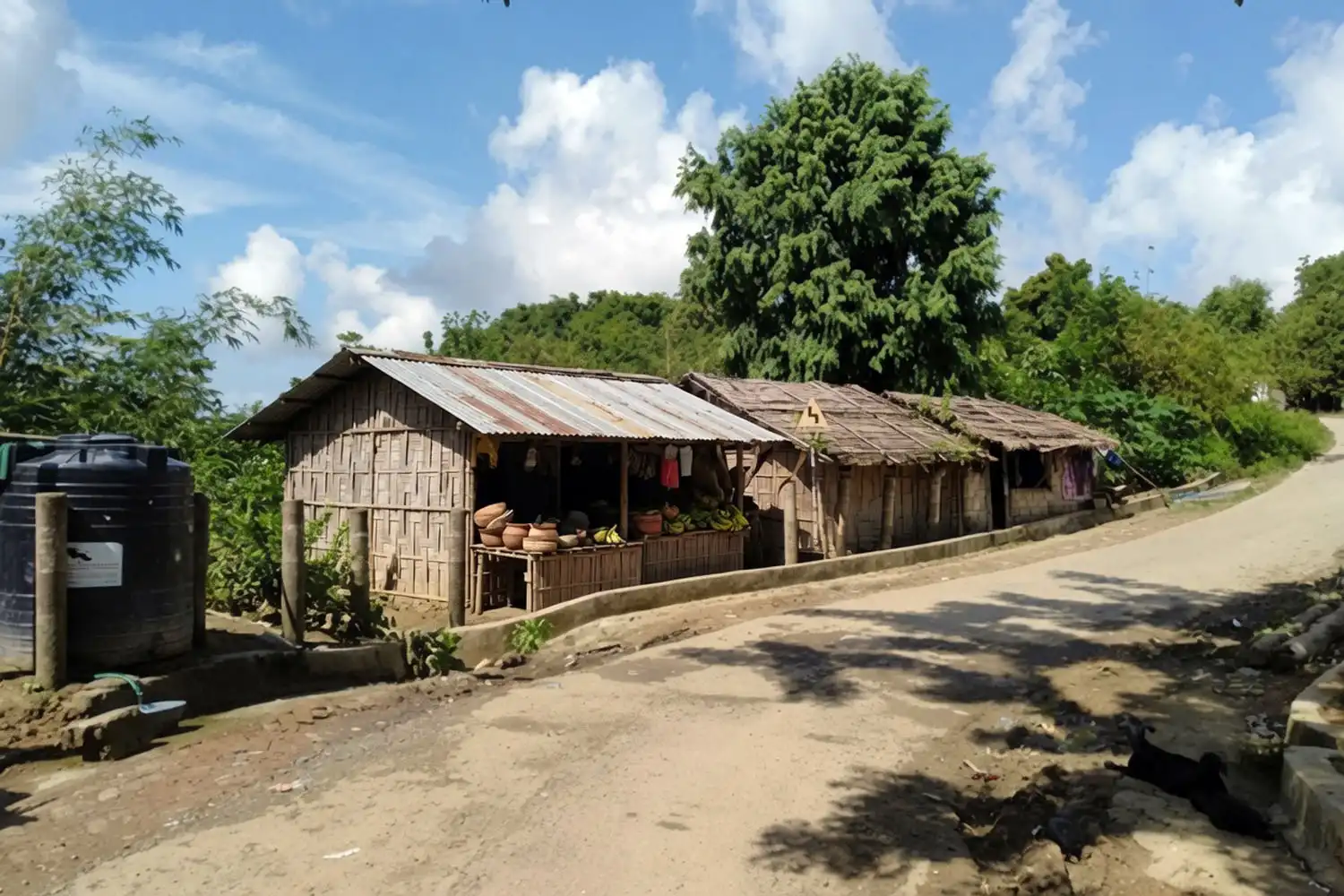
Alikadam and its Panbazar have several simple, decent eateries that serve local food at low prices. You can eat well here before and after the trek. For lunch on the trail, though, you must carry dry food, since the route has no restaurants at all. I always pack biscuits, bananas, and a little chocolate for quick energy while walking. At Adupara, you will also find a small tong shop with tea and light snacks before you start.
What to pack and safety tips
Pack light, carry your own food and water, and treat this as a serious hill trek. A few habits will make the day far safer and easier:
- Wear sandals or shoes with strong grip, because the trail gets slippery, especially after rain.
- Keep your backpack light. On a trek this long, every extra kilo hurts, so it is worth knowing how much your loaded pack should weigh before you set off.
- Carry dry food, water, oral saline, and a small first-aid kit.
- Watch for leeches on the trail. Long socks help keep them off your legs.
- Bring a photocopy of your National ID, since you cannot pass the army camp without it.
- Bargain politely for every fare and the guide fee.
- Step carefully on hill paths and inside the streams, where the rocks stay wet.
- Track your time so you make the 5 PM check-post deadline.
- Treat the local indigenous community with respect, and always ask before photographing people.
- Carry out all your trash. Please do not leave plastic on the trail or at the falls.
One more practical note from my own trips in these hills: mobile signal drops off past Alikadam, so tell someone your plan before you lose coverage. Traveling as a group also splits the cost of jeeps and guides, which makes the whole trip noticeably cheaper.
FAQs about Damtua Waterfall

How long is the Damtua trek?
Is Damtua Waterfall open in 2026?
Do I need a guide for Damtua Waterfall?
When is the best time to visit Damtua?
Can I stay overnight near Damtua?
Final thoughts
Damtua Waterfall rewards the effort it asks for. The trek is long and the rules are strict, yet the twin falls at the end make the hard walk worth it. Plan around the monsoon for the fullest water, carry your National ID, hire a guide at Adupara, and respect the 5 PM check-post deadline. Start early, pack light, and travel with a group to keep costs down. Do that, and you will come away with one of the finest waterfall days Bandarban offers.