Kristong Pahar Trek: Route, Permits, and Best Time to Visit

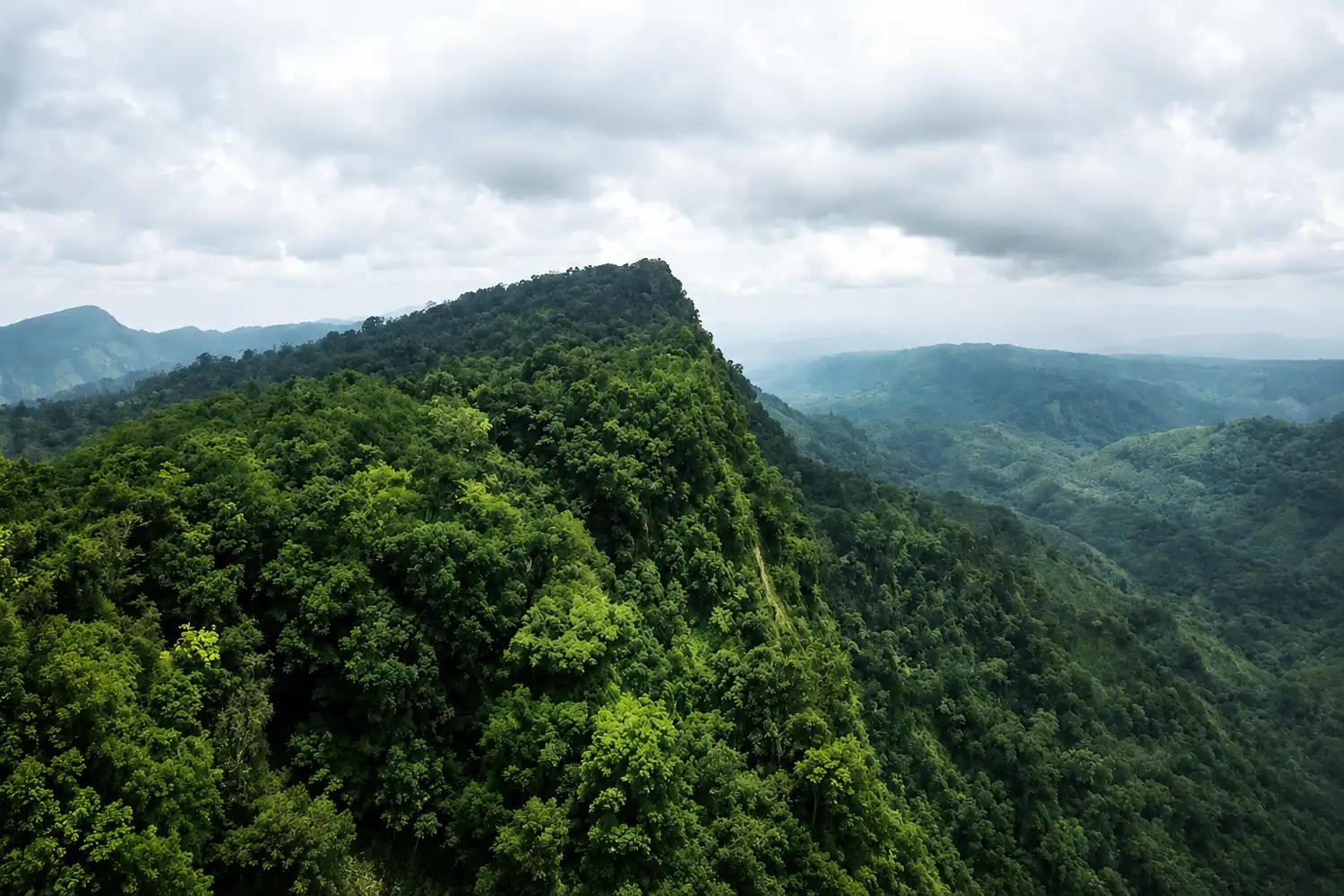
Kristong Pahar (কির্সতং পাহাড়), also spelled Kirstong or Kirstaung, is a hill in the Alikadam upazila of Bandarban, Bangladesh. It sits at the highest point of the Chimbuk Range, about 2,900 feet above sea level. The name comes from the Marma language, and the trail to the top runs through thick, remote forest in the Chittagong Hill Tracts.
Where is Kristong Pahar and how high is it?
Kristong Pahar stands in Alikadam upazila of Bandarban district, in the southeastern Chittagong Hill Tracts. It rises to roughly 2,900 feet above sea level, and some GPS tracks record it closer to 2,969 feet. Both locals and trekkers treat it as the highest peak of the Chimbuk Range, so it pulls in people who already know the views around the Chimbuk hill area.
The hill sits deep in border country, so the approach is long. You will not find a road to the summit. Instead, you reach the top on foot through forest and steep hill paths. That remoteness is also the reason the forest here still feels wild. I grew up in the Rangamati hills, so I know how cut off this corner of Bandarban gets, and Kristong ranks among the harder hills to reach in the region.
Also know: Chingri Jhorna (Waterfall), Bandarban
How did Kristong Pahar get its name?
The name “Kristong” comes from two Marma words. “Kirs” is the name of a bird that has nearly disappeared from the area, while “tong” means hill. People once spotted these rare birds at the top, so the peak took their name. The hill was also known as a home for hornbills, called dhanesh in the local language.
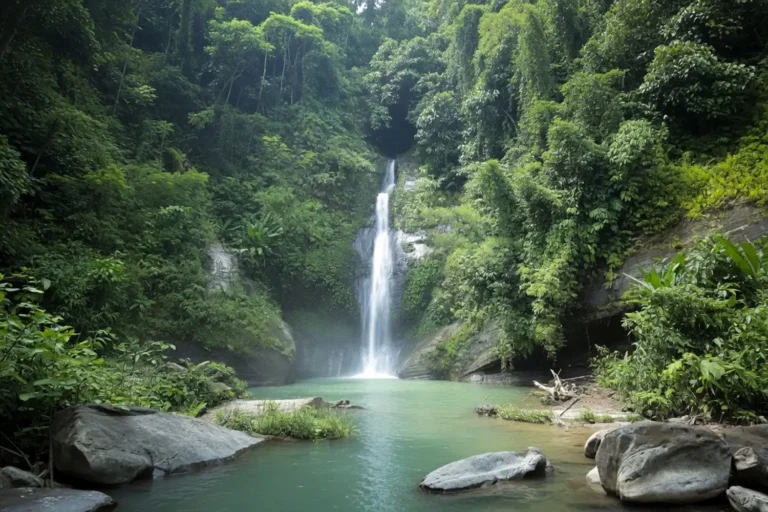
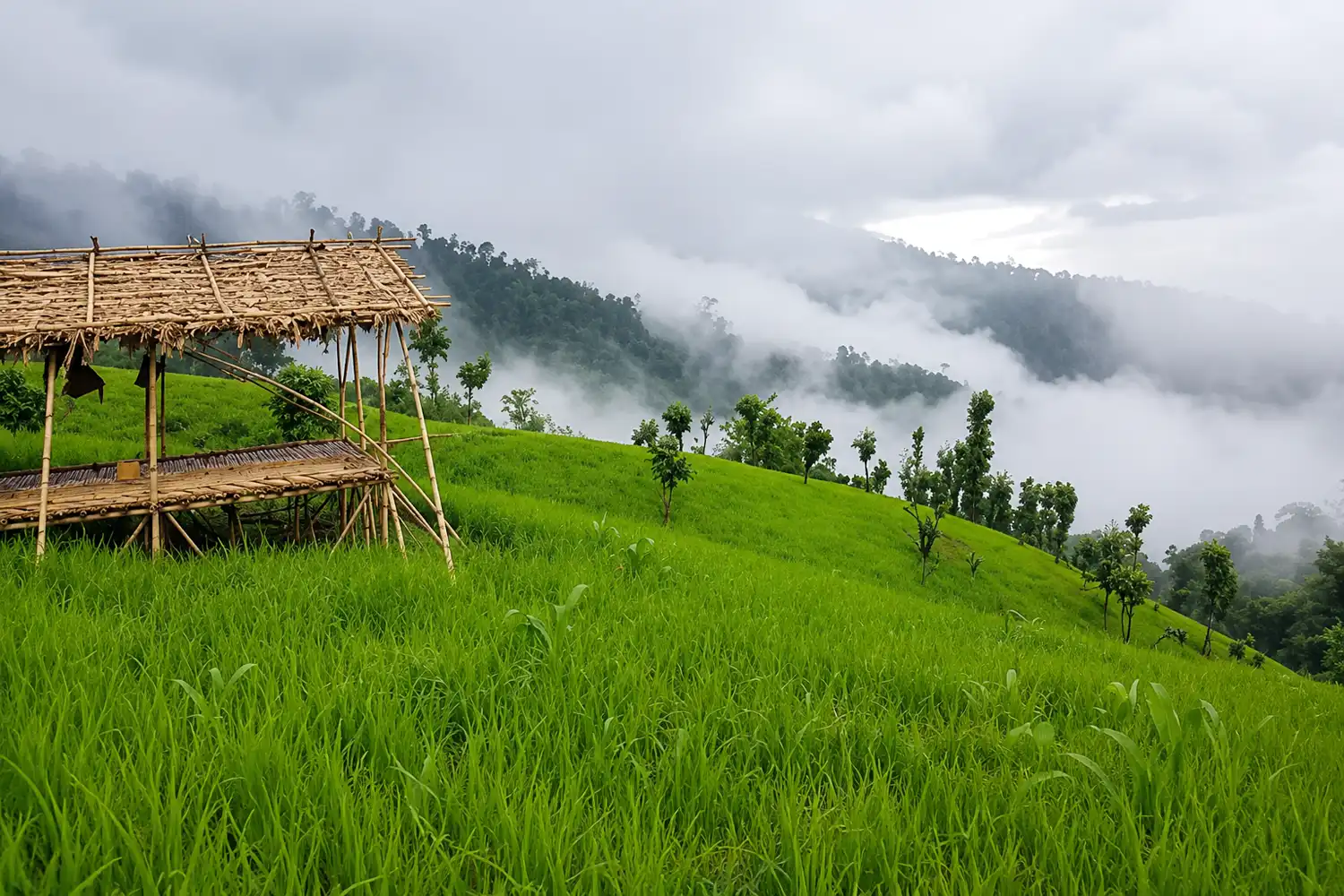
Dense jungle covers the slopes, and many uncommon animals and birds still live here. Century-old trees, heavy undergrowth, and a quiet wild feel set Kristong apart from the busier hills nearby. The Mro communities who live in this region add another layer to the trip, because their villages sit right along the route. On the stretch from Khemchong Para up to the peak, thick fog is common, and the forest closes in on both sides. Many trekkers also pair Kristong with the nearby Rungrang peak, which is about 300 feet lower, on the same trip.
Keep one thing in mind. This is a hard hike, not a casual day out, so physical fitness and patience matter more here than on most Bangladeshi trails.
How do you reach Kristong Pahar?
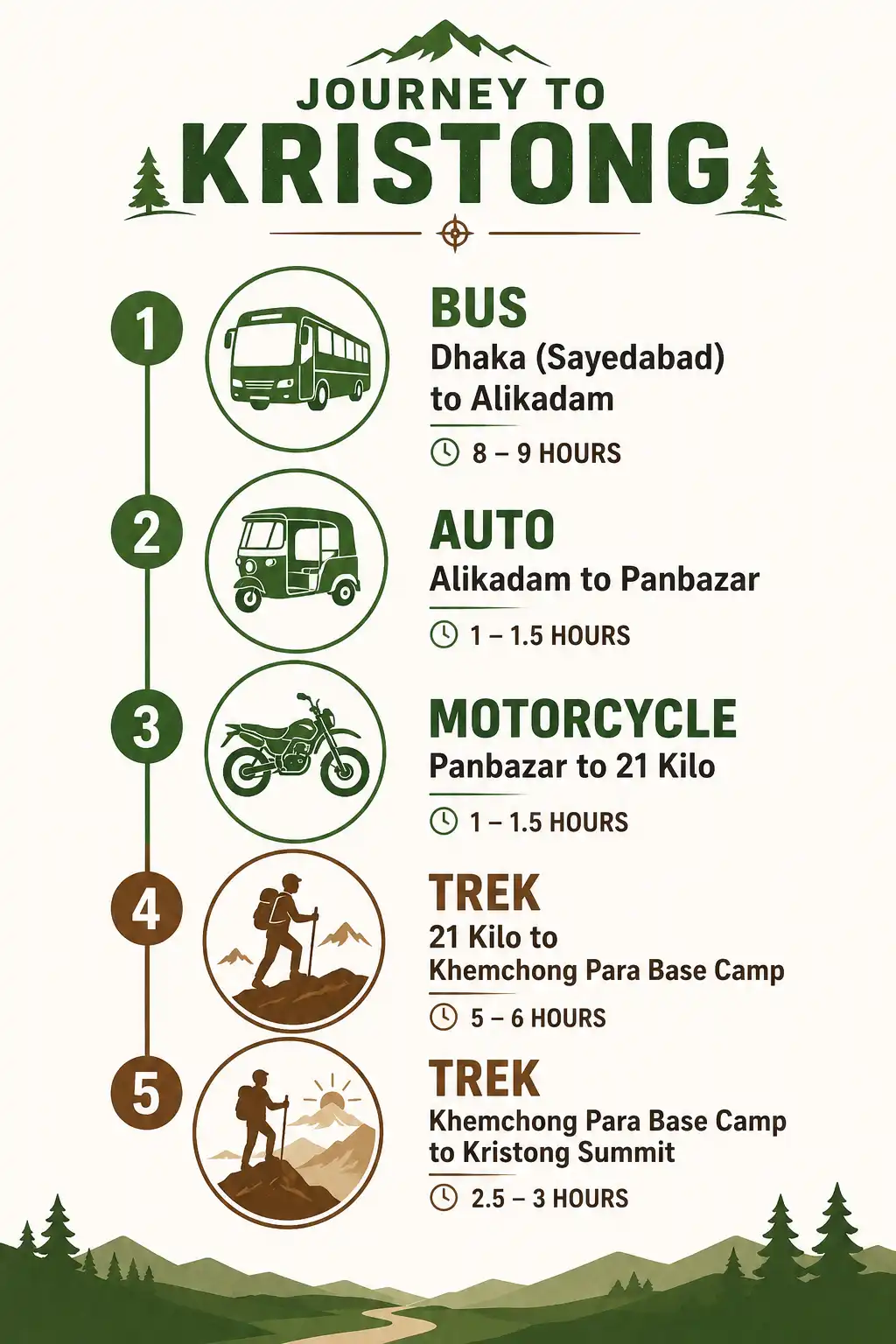
To reach Kristong Pahar, you first travel to Alikadam in Bandarban, then move toward the hills by auto and motorcycle, and finally trek on foot to the base camp and summit. Here is the route step by step.
- Dhaka to Alikadam. Direct buses from Hanif and Shyamoli run from Sayedabad in Dhaka to Alikadam for about 1,100 BDT per person (roughly USD 9). You can also take a bus to Chakaria first, then catch a local bus from Chakaria to Alikadam for about 100 BDT. Treat every fare as approximate, because prices change.
- Alikadam to Panbazar. From the Alikadam bus stand, take an auto to Panbazar. This short ride costs about 10 BDT.
- Panbazar to 21 Kilo. From Panbazar, hire a motorcycle along the Alikadam-Thanchi road and get off at the point known as 21 Kilo. The ride usually costs about 300 BDT per person.
- 21 Kilo to Khemchong Para. From 21 Kilo, follow the trail toward Tindu on foot. After about 5 to 6 hours of walking, you reach Khemchong Para, the base camp at the foot of the hill.
- Khemchong Para to the summit. Stay the night at Khemchong Para. The next morning, trek for about 2.5 to 3 hours to reach the top of Kristong Pahar.
Before you start: Report at the Bangladesh Army camp in Alikadam with your National ID card, then arrange a registered guide. You cannot make this trek without a guide, and check-post registration is part of the current rules.
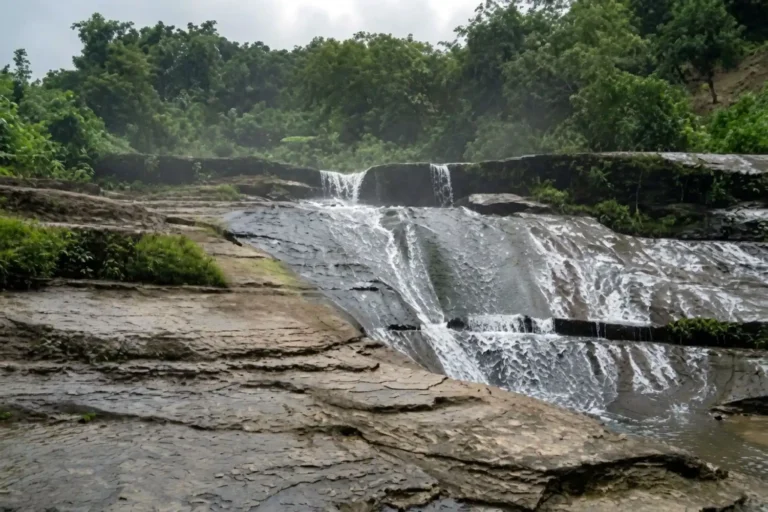
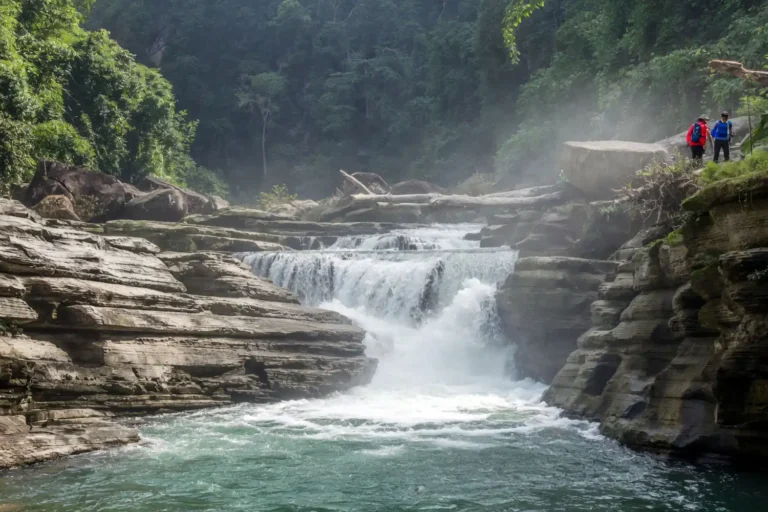
If you have a spare day in the area, Alikadam holds other sights too, including a waterfall near Alikadam that fits well into the same trip.
When is the best time to visit Kristong Pahar?
The best time to visit Kristong Pahar is winter, from November to February, when the weather is dry and the trail is firmer. If you want to see clouds settle over the hills, you can go near the end of the monsoon instead. Rain changes the trek a lot, though. Wet hill paths turn very slippery, and leeches become a serious problem during the rainy months. From my own trips around these hills, winter is the easy pick. For a trip like this, picking the right season for a trip handles half the planning.
Where do you stay and eat near Kristong Pahar?
You stay in Khemchong Para, mostly in the homes of the indigenous families who live there. Accommodation is simple. Most visitors sleep in traditional machang houses, which are raised huts made of bamboo and wood. Do not expect hotel comforts here, because there are none.
The same families also cook your meals, but you need to tell your guide in advance so they can plan ahead. The usual menu is rice, hill chicken, mashed potato, and lentils. During the trek itself, carry dry food and snacks, since no shops sit along the trail.
How hard is the Kristong Pahar trek?
The Kristong Pahar trek is a moderate to hard hike, so you need to be physically fit before you go. The long walk to the base camp and the steep climb to the summit both test your legs and your stamina. If you train a little beforehand and learn to pace yourself on steep climbs, the trek feels far more manageable. Take regular breaks, drink water often, and never rush the uphill sections.
Do you need a guide and permission for Kristong Pahar?
Yes, you need both a registered guide and official permission for Kristong Pahar. When you reach Alikadam, report at the Bangladesh Army camp with your National ID card and register your details. A registered guide is mandatory, so you cannot make this trek on your own. You also have to register at the designated check posts along the way. On a deep trek like this, I would keep a guide even if the rules did not force it, because the trails branch often and the forest hides landmarks fast.
These rules tightened over recent years. The hill upazilas of Bandarban, including Ruma and Thanchi, reopened to tourists in 2025 after a long closure, and travel now runs through registered guides plus check-post registration. Security conditions in this border region can change, however, so confirm the latest status with the local administration or your guide before you set a date. As of 2026, the standard process is still guide plus check-post registration on approved routes.
What should you pack for the Kristong trek?
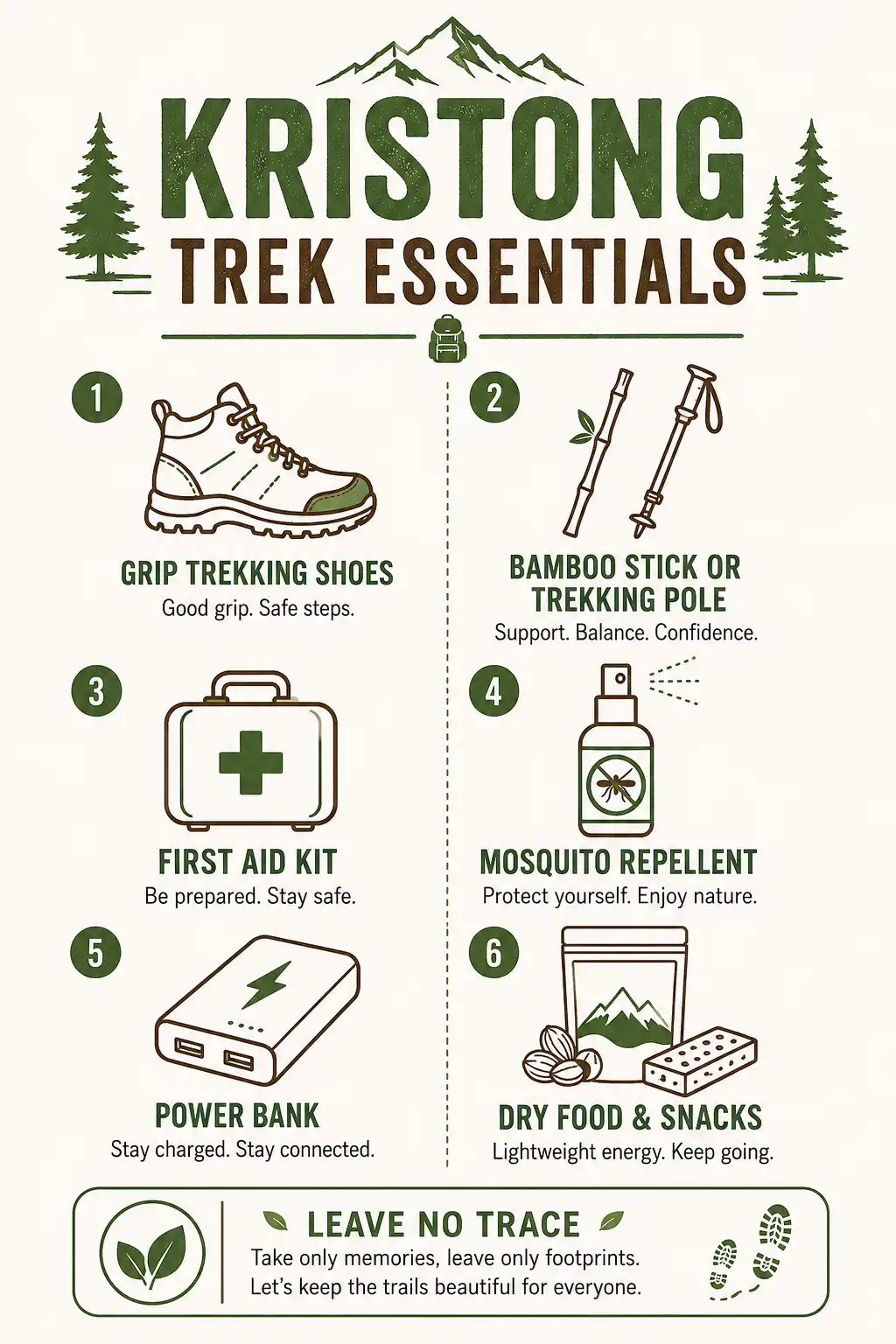
Pack light, but do not skip the items that keep you safe on a remote trail. A few things matter most here.
- Trekking shoes with a good grip. The trail gets steep and slippery, so solid traction protects you from falls.
- A bamboo stick or trekking pole. It helps a lot on the climbs and on the muddy way down.
- A first aid kit. Cuts, scrapes, and leech bites are common, so basic supplies earn their space.
- Mosquito repellent. Something like Odomos keeps the bugs off, and keeping mosquitoes off on the trail makes the whole trek easier.
- A power bank. There is no electricity in the village, so a fully charged power bank keeps your phone and torch alive.
One more point, and it is not optional. Carry your trash back out with you. Do not leave plastic or any waste on the hill, and avoid anything that damages the forest. The families who live here depend on this land, and so does the wildlife.
FAQs about Kristong Pahar

How high is Kristong Pahar?
How many days do you need for the Kristong trek?
Is the Kristong Pahar trek safe for beginners?
Can foreign tourists visit Kristong Pahar?
What about leeches on the trail?
Final thoughts
Kristong Pahar rewards the effort it asks for, and that is exactly why I keep pointing fit trekkers toward it. The climb is long, the village stays are basic, and the rules are strict, but the forest, the summit views, and the time spent in Mro villages make it worth planning well. Go in winter if you can, get fit before you start, and keep a registered guide with you the whole way. If this trek hooks you, the climb up Keokradong makes a natural next step in the same hills. Pack smart, travel light, and leave the hill as clean as you found it.