How Heavy Should a Hiking Backpack Be? Real Weight Limits

A hiking backpack should stay under 10% of your body weight on day hikes and under 20% on overnight or multi-day trips. That’s the limit most experienced hikers agree on, and it keeps your knees, shoulders, and pace in good shape. The right number shifts a little based on terrain, fitness, weather, and trip length. I’ve carried light packs on tough trails and heavy ones on easy paths, and the lighter setup wins almost every time. Here’s exactly how heavy your pack should be, what counts toward that weight, and how to trim pounds smartly.
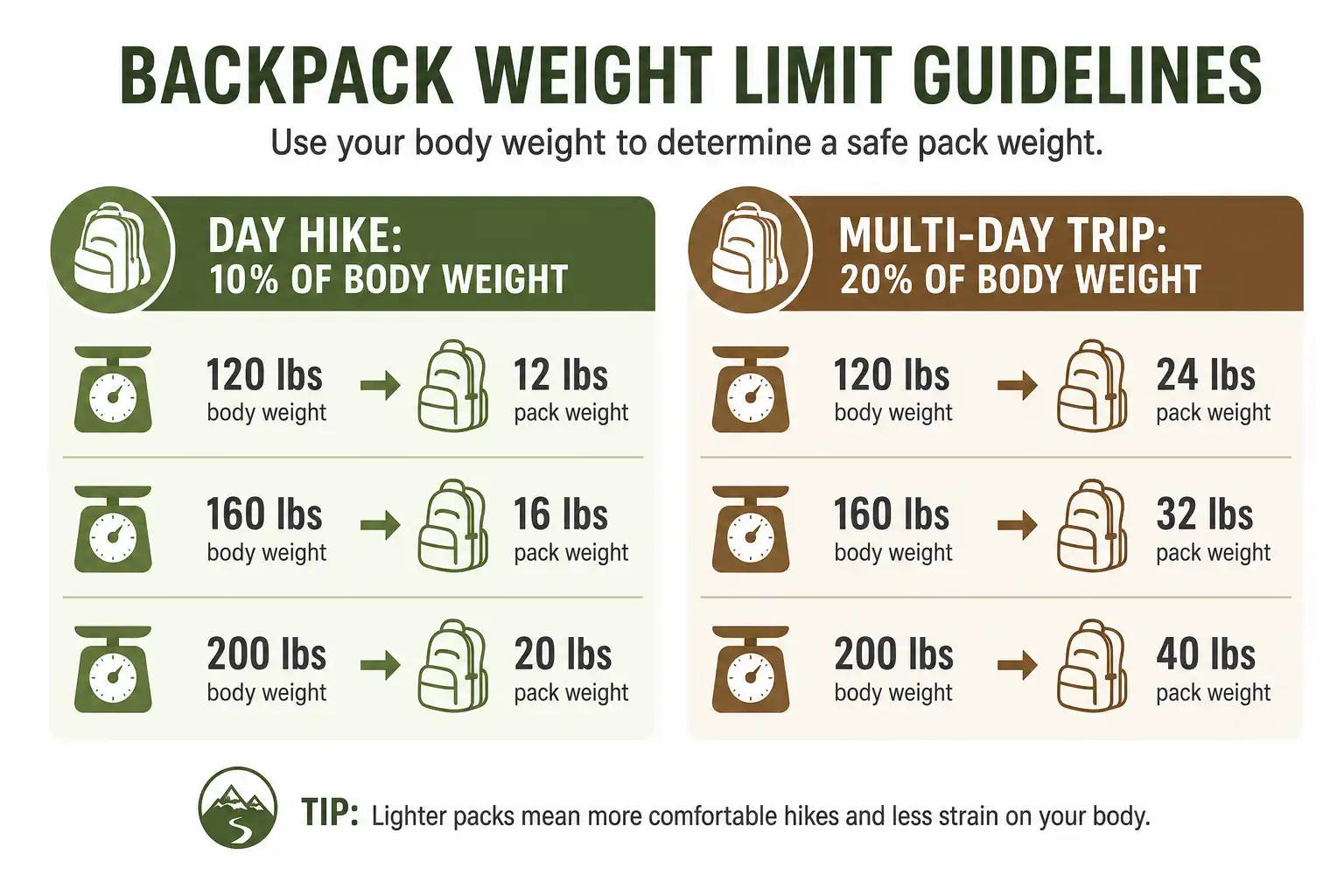
For day hikes, aim for a loaded pack under 10% of your body weight. For overnight and multi-day backpacking, cap it at 20% of your body weight. So a 150-pound hiker should target under 15 pounds for a day hike and under 30 pounds for a longer trip. Fit and trained hikers sometimes carry 25%, but heavier loads slow your pace, stress your joints, and shorten your range. In most cases, lighter packs lead to longer, happier days on the trail.
Learn more: Way to Choose a Hiking Backpack
How heavy should a day hiking backpack be?
A day hiking backpack should weigh between 5 and 15 pounds total, and ideally under 10% of your body weight. For most people, that lands somewhere between 12 and 18 pounds once water, snacks, layers, a first aid kit, and the basics are packed in. If you’re going out for a half-day trail, you can often get away with just 8 to 10 pounds. The biggest weight on day hikes usually comes from water, since one liter weighs about 2.2 pounds.
A few items that drive day pack weight up fast:
- Water (2.2 lbs per liter)
- Lunch and snacks
- Rain jacket and insulating layer
- First aid kit and headlamp
- Camera or binoculars
Because water dominates, planning around refill sources matters. For more detail on this, see my notes on how much water to carry per person so you don’t haul more than you need.
How heavy should a multi-day backpack be?
A multi-day backpack should land between 25 and 35 pounds fully loaded, with the cap at 20% of your body weight. That total includes the pack itself, shelter, sleep system, cooking gear, clothing, food, and water. Most beginner backpackers start out closer to 35 to 40 pounds and then trim down as they learn what they actually need. Three to five days of food alone usually adds 6 to 10 pounds, so the rest of your kit has to stay lean.
Pack weight breaks down into three groups:
- Base weight is your gear without food, water, or fuel.
- Consumables are food, water, and stove fuel.
- Total weight is everything together when you lift the pack.
For a comfortable multi-day trip, a base weight of 15 to 20 pounds works well for most hikers. Ultralight backpackers push that under 10 pounds, but it takes practice and pricey gear to get there.
What counts as ultralight, lightweight, and traditional?
Ultralight means a base weight under 10 pounds, lightweight sits between 10 and 20 pounds, and traditional is anything 20 pounds and above. These numbers refer to base weight only, since consumables change daily on the trail. Ultralight hikers cut weight by sharing shelters, using minimalist sleeping pads, and skipping anything they can’t justify. For most people, however, lightweight is the more realistic goal, since it keeps you comfortable without spending a fortune on titanium gear.
The Big Three: Where Most of Your Weight Lives
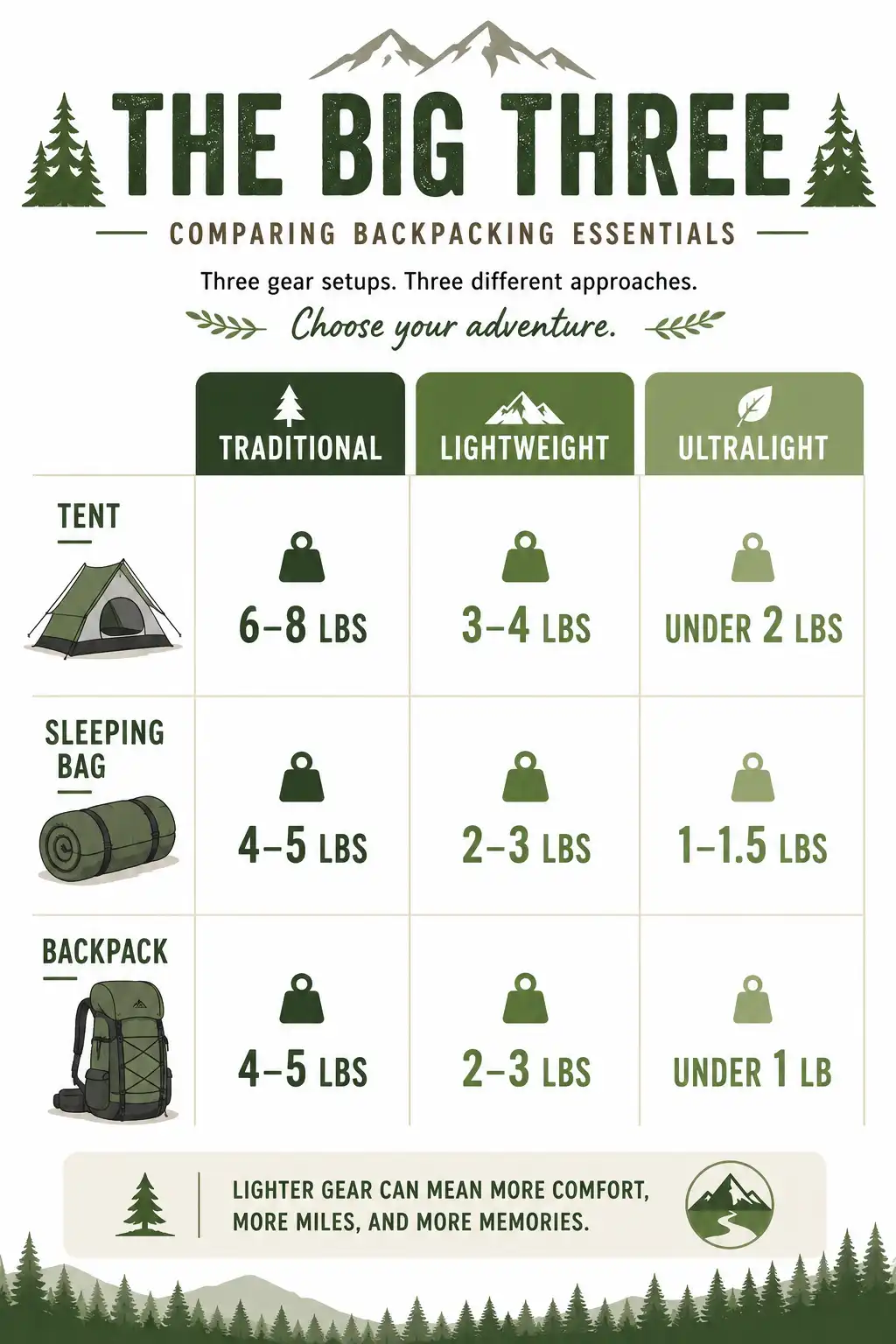
Your tent, sleeping bag, and backpack carry the most weight in your kit. Together these three items make up nearly half of most base weights, so cutting pounds here has the biggest impact. A traditional dome tent can weigh 6 to 8 pounds, while a quality one-person ultralight shelter drops to under 2 pounds. Sleeping bags range from 1.5 to 5 pounds depending on temperature rating and fill. The backpack itself runs from 1 pound for frameless ultralight bags up to 5 pounds for big traditional packs.
If you want a lighter load, start with the Big Three before worrying about smaller items. After that, look at how you’re loading things, because smart packing helps your pack carry weight more evenly across your shoulders and hips.
How to weigh your backpack the right way
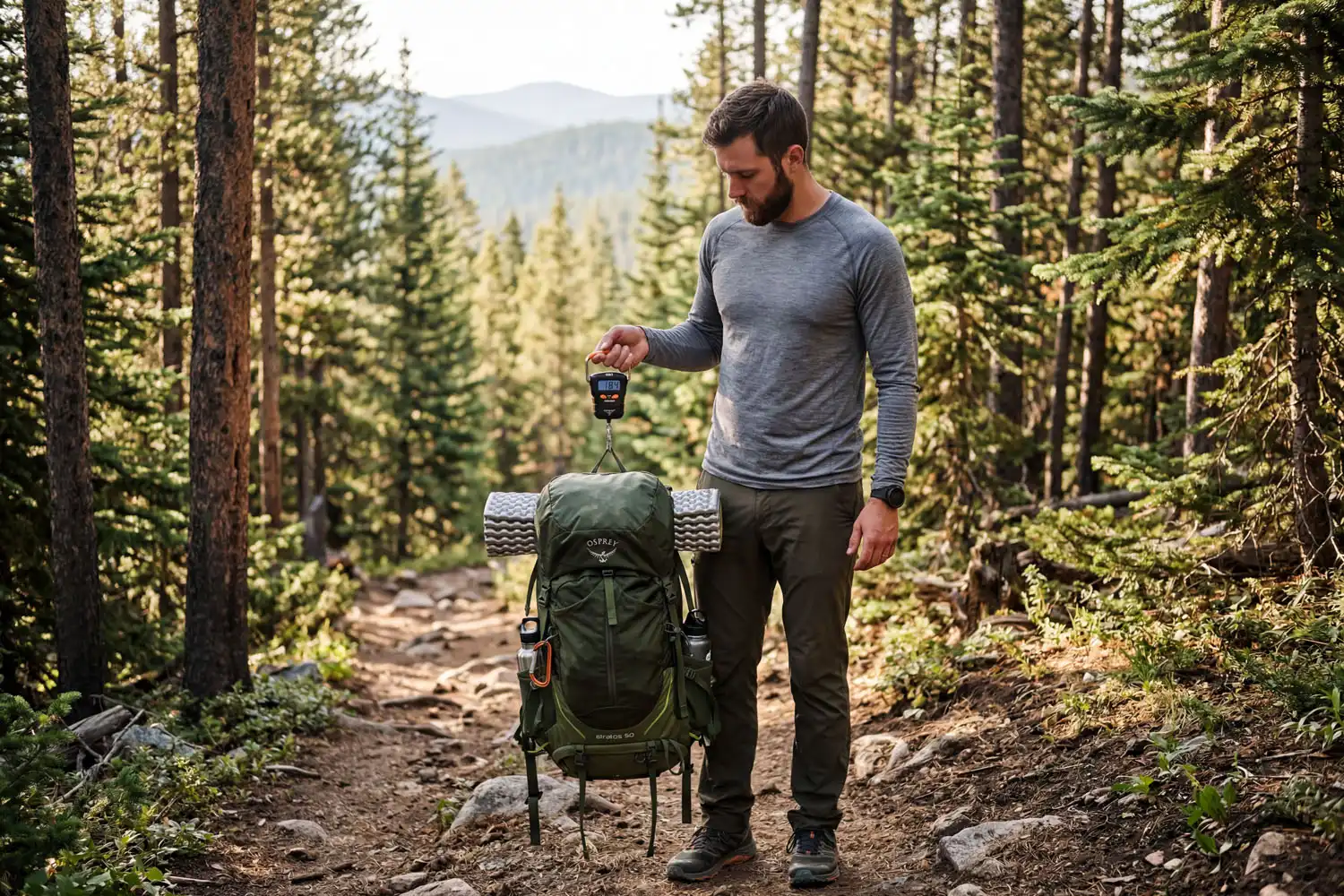
Step on a bathroom scale, write down your weight, then step on again holding the loaded pack. Subtract the first number from the second. That’s your true total pack weight. Do this with everything inside the pack, including water bottles, snacks, and items clipped to the outside.
A small luggage scale or hanging fish scale works even better. Hang the pack from it and read the weight directly. Also weigh each major item separately so you know where the pounds are coming from. I keep a simple spreadsheet of every gear item and its weight, which makes planning future trips much faster.
Signs your hiking backpack is too heavy
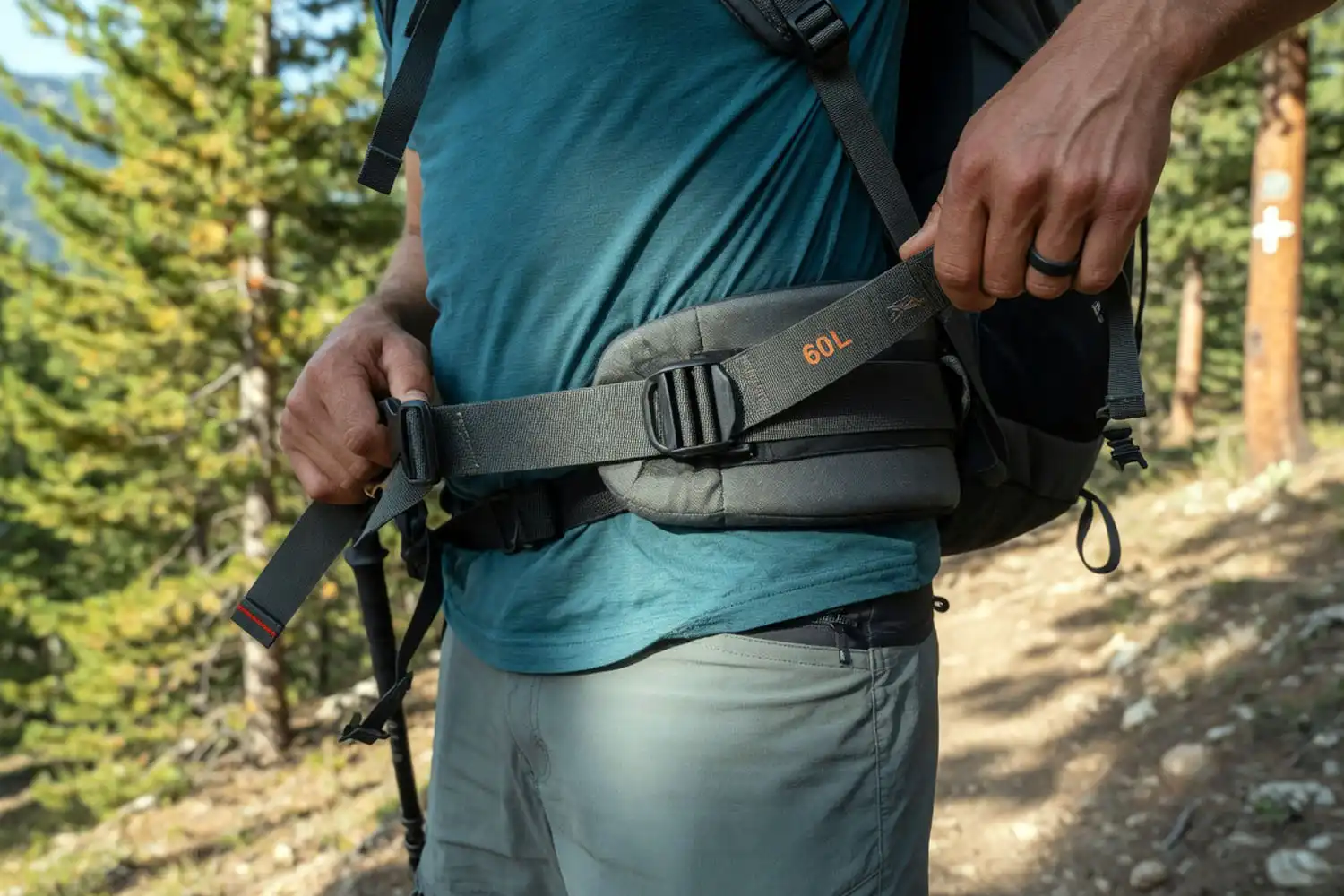
Shoulder pain, knee aches on descents, and early fatigue all mean your pack is too heavy. Other red flags include feeling off balance on rocky sections, taking frequent breaks before lunch, and waking up sore in muscles that shouldn’t hurt. If the pack feels like it’s pulling you backward instead of sitting on your hips, the load is either too heavy or packed wrong.
Your hip belt should carry about 70 to 80% of the pack’s weight, with the rest resting on your shoulders. So if your shoulders feel crushed, the problem is often poor weight distribution, not just total pounds. My guide on packing a hiking backpack for shoulder comfort covers the fixes in detail.
How to lighten your backpack without leaving essentials behind
Weigh every item, then ask whether it earns its place. That’s the rule I follow before every trip. Look at each piece of gear and ask if it serves more than one purpose, if a lighter version exists, and if you’d genuinely miss it on the trail. Most hikers carry 5 to 10 pounds of things they never touch.
Practical ways to cut weight:
- Repackage food into ziplock bags instead of cardboard boxes.
- Carry only the water you need between sources, then filter on the trail.
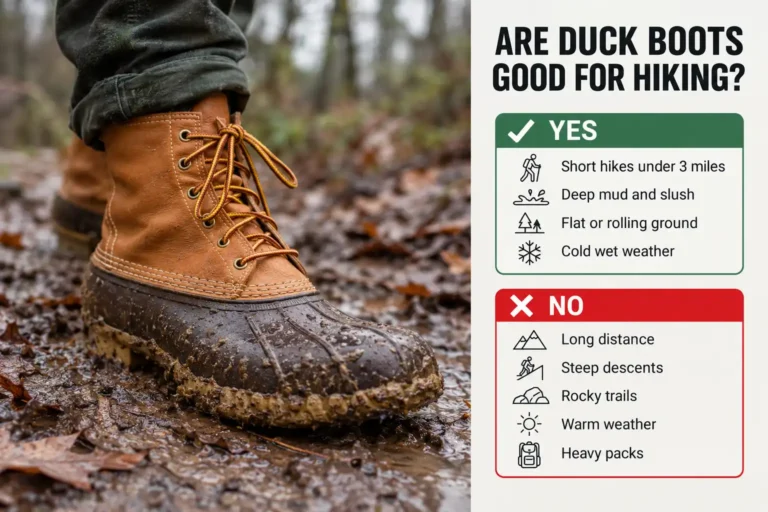
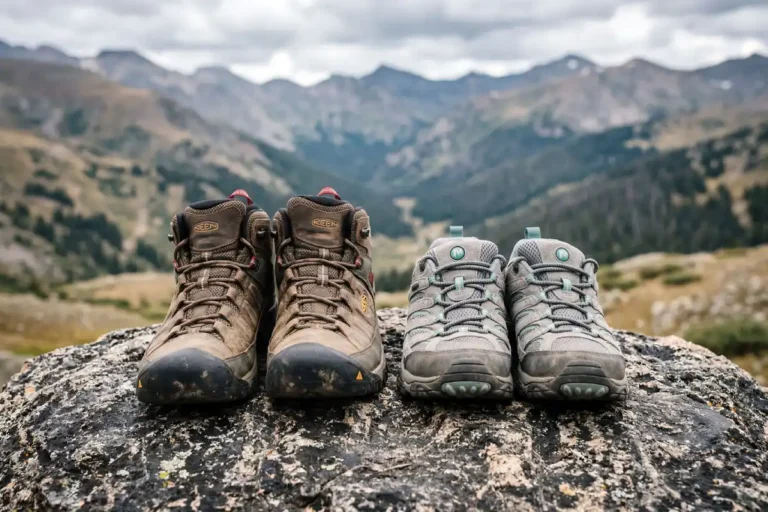
- Swap heavy boots for trail runners on dry, easy terrain.
- Skip the second knife, second headlamp, and backup of your backup.
- Choose fast snacks that won’t weigh down your pack instead of heavy meal bars.
For longer trips, reducing tent weight on solo backpacking trips makes a noticeable difference. The same goes for strapping a sleeping bag to your pack properly so you don’t waste strap space or throw off your balance.
Does the body weight ratio always apply?
The 10% and 20% rules work for most adults, but they don’t apply equally to everyone. A trained 130-pound hiker can often carry more than 20% comfortably, while a 220-pound beginner might struggle at 15%. Fitness, hiking experience, terrain, and altitude all shift what your body can handle. On steep climbs in the Bandarban hills, for example, I carry less than I would on flat ground because every extra pound costs more energy on the uphill.
If you’re new to backpacking, start light. Then add weight gradually as your legs and core get stronger. Combined with smart pacing on long hikes, your range grows quickly without injuries.
How terrain and weather change the math
Steep, rocky, and wet trails demand a lighter pack than flat, dry trails. Cold weather adds weight too, because insulation layers, a warmer sleeping bag, and extra food all stack up fast. Summer trips let you cut clothing weight but often push water weight higher. Altitude also makes every pound feel heavier, so high elevation trips reward ruthless packing.
My personal weight setup
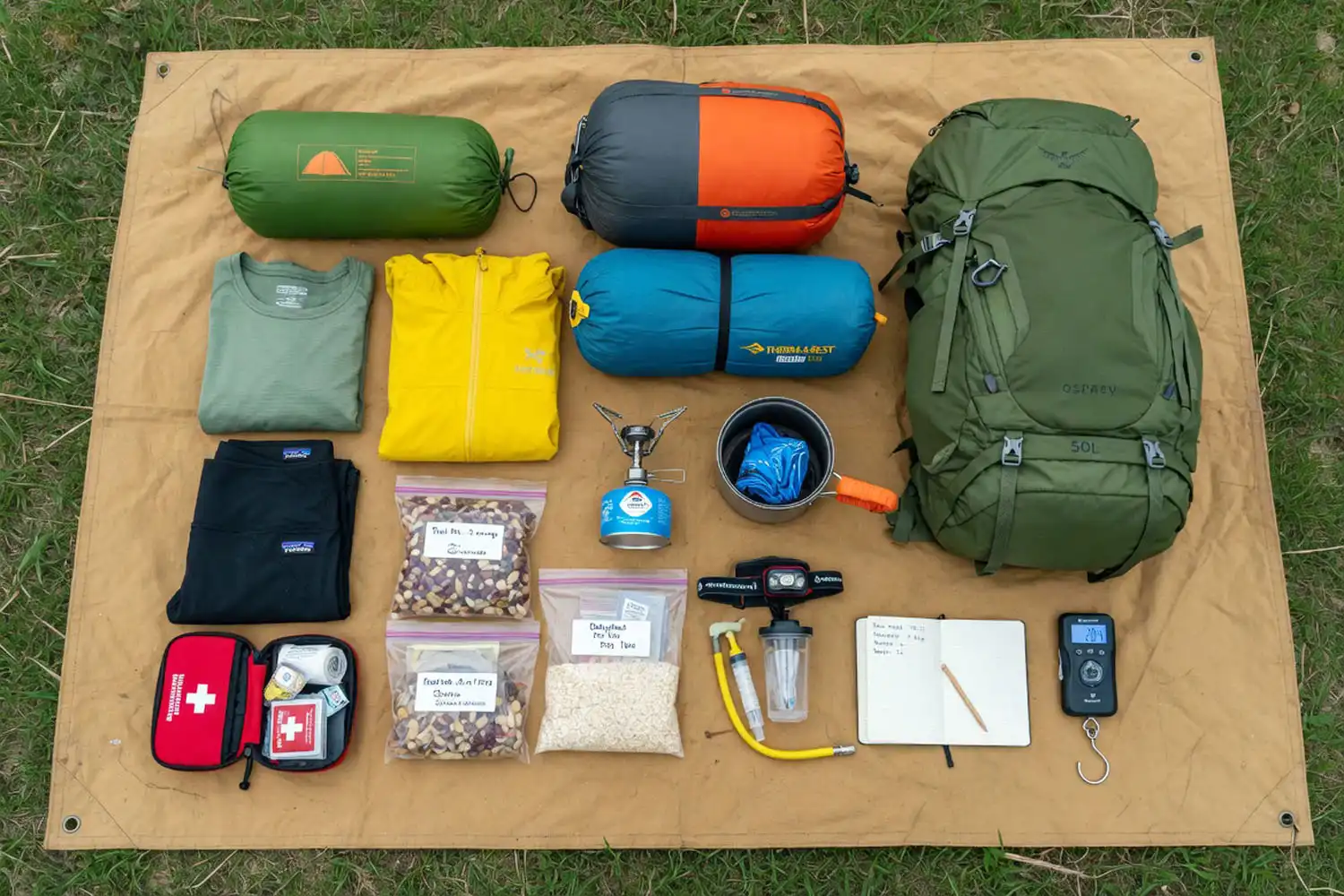
For a two-night trip near Kaptai, my loaded pack usually weighs around 22 pounds. That covers a 2-pound shelter, a 2-pound sleeping bag, food for three days, 2 liters of water, and cooking gear. On longer treks toward Nafakhum or Remakri, the total creeps up to 28 pounds because I carry more food and a heavier filter setup. Anything above 30 pounds and I start feeling it in my knees on descents.
FAQs on Hiking Backpack Weight Limits

Is 30 pounds too heavy for a hiking backpack?
Should backpack weight sit on hips or shoulders?
How much should a beginner backpacker carry?
Why does my backpack feel so heavy even when it isn't?
Final thoughts
A hiking backpack should weigh 10% of your body weight for day hikes and 20% for multi-day trips, with adjustments for fitness, terrain, and weather. Lighter is almost always better, but only when you keep the gear that actually keeps you safe and comfortable. Weigh your kit honestly, focus on the Big Three first, and trust that your body will tell you when the load is wrong. The right pack weight turns a hard hike into a great one.