Camping Cot vs Sleeping Pad: Which One Is Right for You?

Choosing between a camping cot and a sleeping pad changed how I packed for every trip after my first cold night in the Bandarban hills. Both keep you off the ground and promise better sleep. But they do very different jobs. After years of testing each on Kaptai lakeside trips, backpacking through Nafakhum, and weekend car camping, I can tell you which works best, and when. This guide breaks down the real differences so you pick the right one for your trip.
A camping cot lifts you off the ground for comfort and airflow, so it suits car camping, base camps, and warm nights. A sleeping pad is lighter, packs smaller, and insulates better against cold ground, so it fits backpacking and cold-weather trips. Your weight tolerance, weather, and access to your vehicle decide the winner.
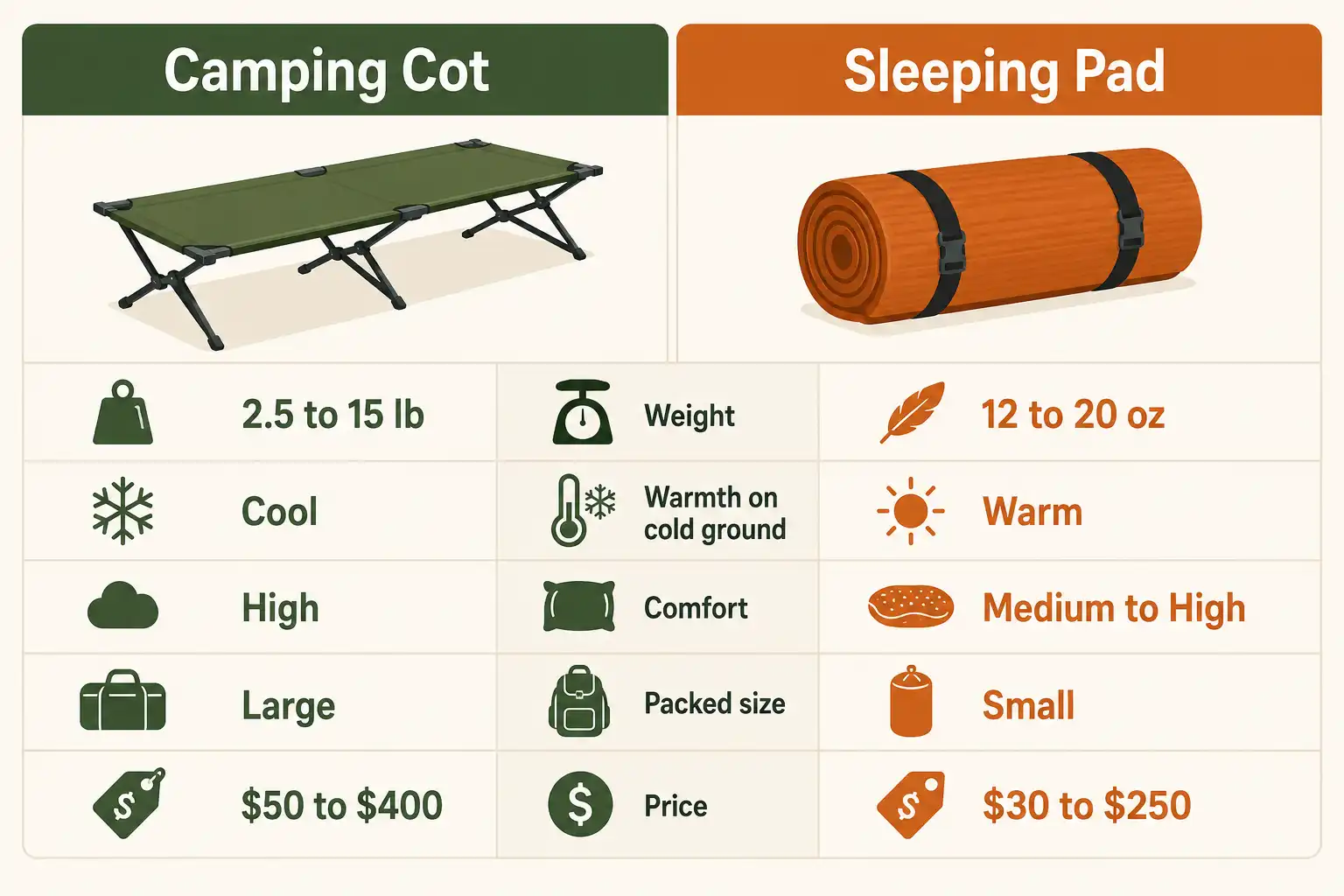
What is a camping cot?
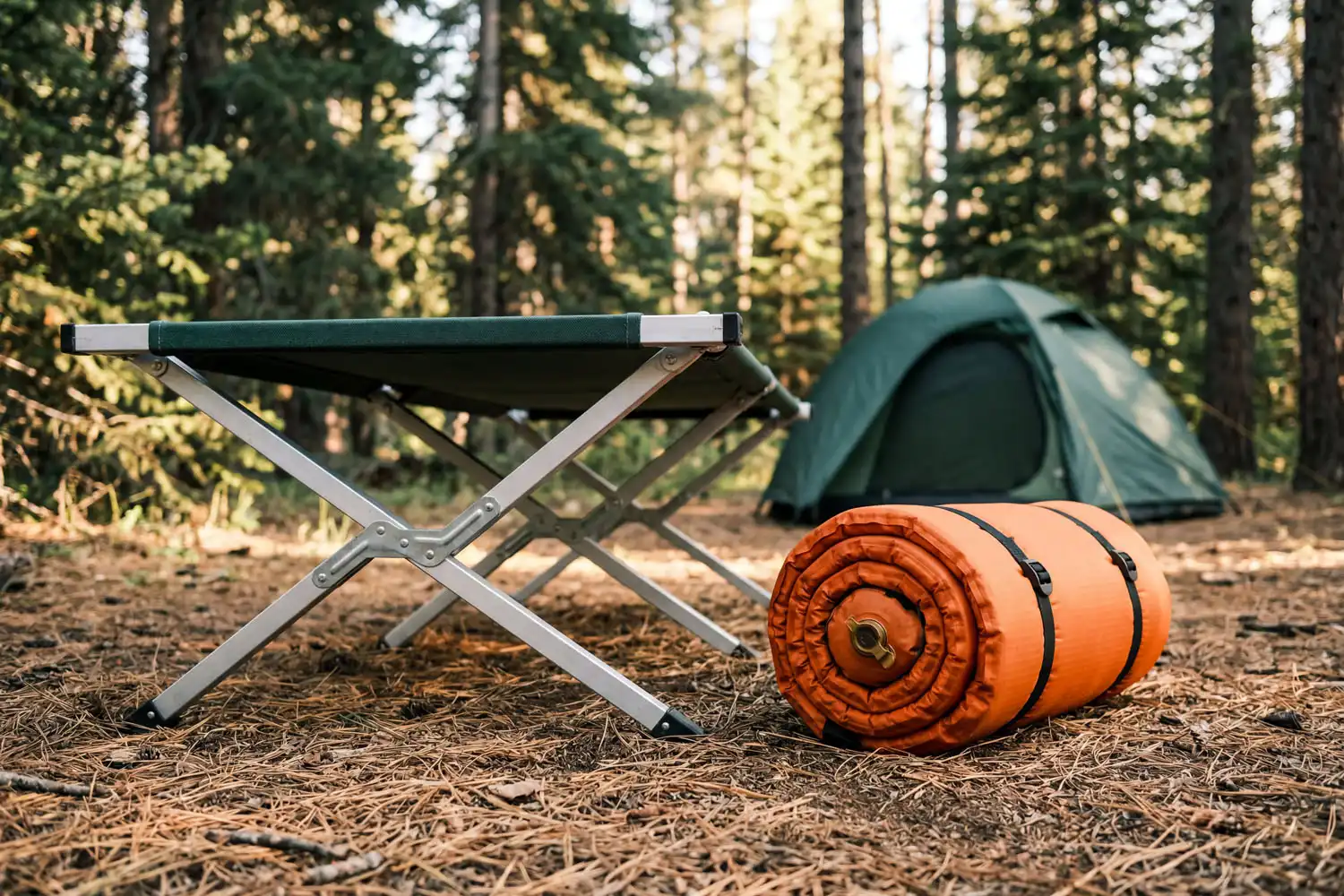
A camping cot is a raised bed frame with fabric stretched across it that sits a few inches off the ground. Most cots use aluminum or steel poles with a heavy-duty polyester or canvas sleeping surface. They support 250 to 500 pounds depending on the model. Cots fold or break down for transport, but even packed up, they take real trunk space. I use mine for car camping near Kaptai when comfort matters more than weight.

What is a sleeping pad?
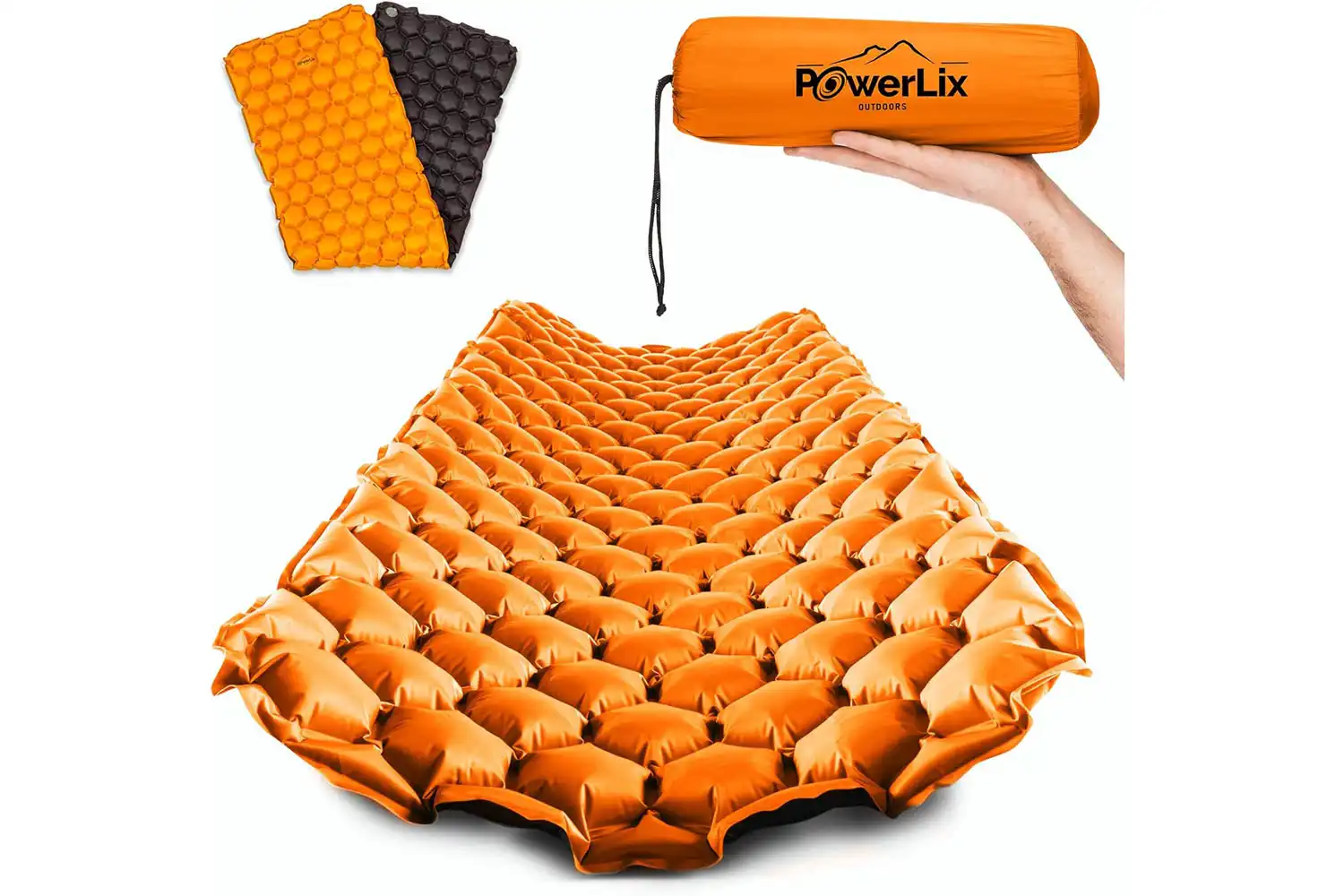
A sleeping pad is a thin, insulated mat you place between yourself and the tent floor. Three main types exist: closed-cell foam, self-inflating, and air pads. Each has trade-offs in weight, warmth, and packed size. Pads are rated by R-value, which measures insulation against the cold ground. Higher R-value means warmer. For example, a pad with an R-value of 4 or higher handles winter camping, while a 2.0 pad works for summer trips. If you want the mechanics, here is a breakdown of how self-inflating pads work behind the scenes.
Camping cot vs sleeping pad: which is more comfortable?
A camping cot generally feels more comfortable on flat, dry ground because it mimics a real bed. The taut fabric supports your back and removes pressure from hips and shoulders. However, a quality sleeping pad with 3 to 4 inches of thickness can come close, especially when paired with a good pillow. Comfort also depends on your body. Side sleepers often prefer thick air pads. Back sleepers usually do well on either.
For campers with chronic pain, the lift and flatness of a cot is hard to beat. I have written separately about picking a cot for back issues, and the same logic applies here.
Which one is warmer in cold weather?
A sleeping pad is warmer in cold weather because it traps insulation directly under your body and blocks heat loss to the ground. By contrast, a cot leaves cold air swirling underneath you, which pulls warmth from your sleeping bag fast. I learned this the hard way one November night at Keokradong, where my cot felt freezing even with a winter bag.
If you still want to use a cot in the cold, place a foam pad on top. That combo gives you cot comfort plus pad insulation. For more on managing cold nights, see my notes on keeping a tent warm after dark.
Which packs lighter for backpacking?
A sleeping pad wins for backpacking by a wide margin. Solid pads weigh between 12 and 20 ounces and roll down to the size of a water bottle. A camping cot, even an ultralight model, starts at around 2.5 pounds and never packs that small. So unless you drive to your campsite, the cot stays home. Pads also strap neatly to a pack, and I have a full guide on securing a pad to your hiking pack without slipping.

Cost comparison
A decent sleeping pad costs between $30 and $250 depending on the type. Closed-cell foam pads start cheapest. Premium insulated air pads sit at the top. Camping cots run from $50 for basic models up to $400 for heavy-duty or oversized ones. So for the same budget, you can usually get a better pad than a cot. However, a quality cot lasts many seasons if you treat it well.
When to choose a camping cot
Pick a cot when you drive to your site, sleep multiple nights in one place, or struggle with back pain on the ground. Cots also make sense for taller campers who need a flat, level surface, and for anyone camping in warm, humid weather where airflow under the body matters. Family camping trips often work well with cots because everyone gets their own bed and the tent stays organized.
This is the main reason cots shine for car camping, and the split between car camping and backpacking really comes down to gear choices like this one.
When to choose a sleeping pad
Choose a sleeping pad for backpacking, cold-weather trips, or any time pack space and weight matter. Pads also fit better in small tents where a cot would crowd everything else. If you camp solo, hike to your site, or move camps often, a pad is the right call. For mixed trips, I carry both: pad for backcountry nights, cot for base camp.
Can you use a cot and a pad together?
Yes, you can stack a sleeping pad on top of a cot for maximum comfort and warmth. This combo works well in fall and winter car camping, where the cot adds height and the pad adds insulation. Just be sure your cot is wide enough to keep the pad from sliding off the edge in your sleep.

My honest recommendation
If you are new to camping and start with car camping, get a sleeping pad first. Pads work in nearly every situation, while cots only shine in specific ones. Once you camp regularly and know you prefer drive-up sites, then a cot becomes a smart second piece. Buy quality once instead of cheap twice. A $30 foam pad is fine for a first weekend, but a $100 to $150 pad pays off across years of trips.
Final takeaway
A camping cot and a sleeping pad solve the same problem in opposite ways. Cots lift you up for comfort and airflow. Pads lay flat for insulation and portability. Your trip style decides the winner. Drive-up campers benefit from a cot. Backpackers and cold-weather sleepers need a good pad. After many seasons in the Bandarban hills, I keep both in my gear closet and pick based on the night ahead. Match your choice to your trip and you will sleep well.