Dhuppani Waterfall: How to Reach, Costs, and Time to Visit

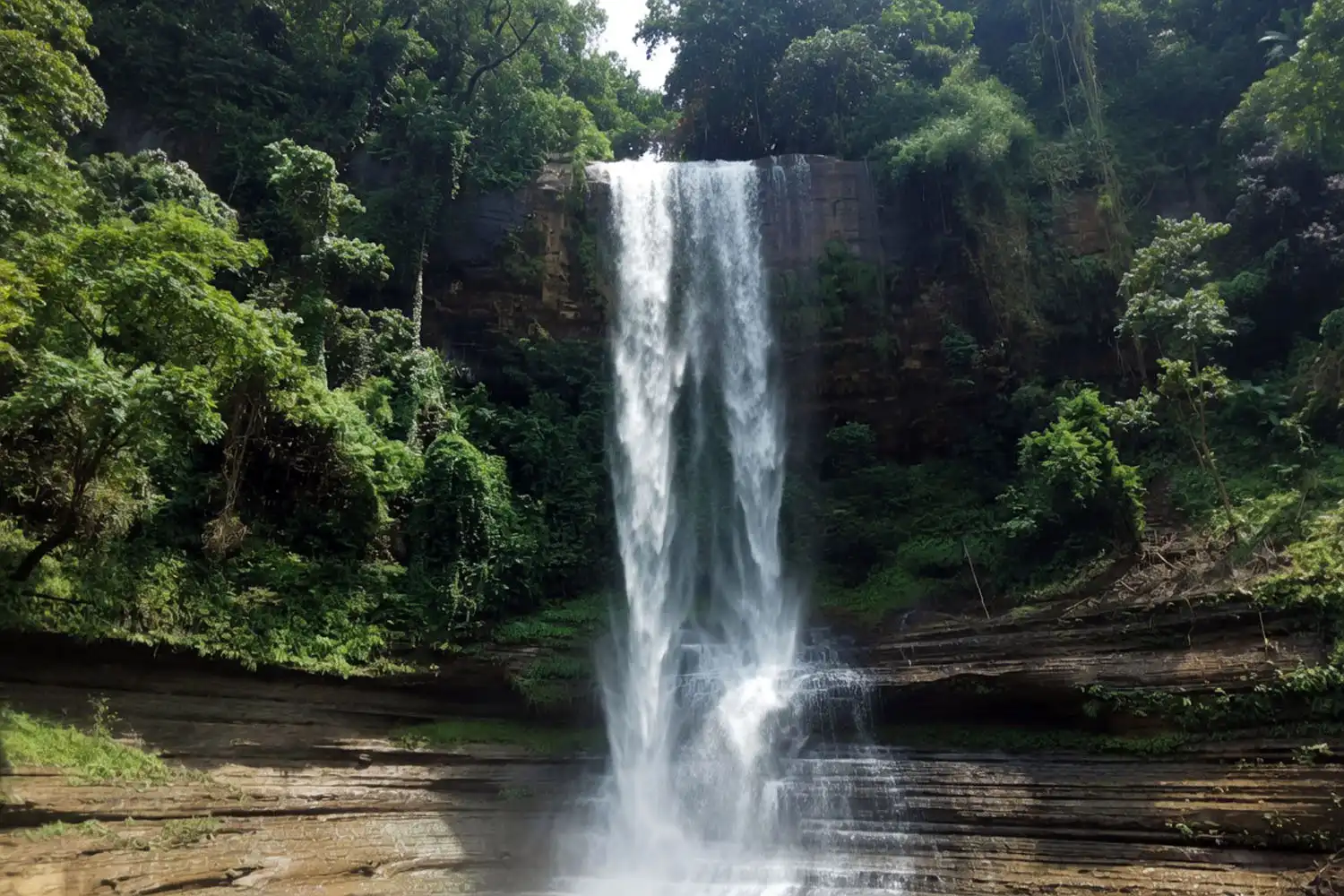
Dhuppani Waterfall (ধুপপানি ঝর্ণা) is a tall waterfall in Orachhari, part of Farua Union in Bilaichhari Upazila of Rangamati. This guide walks you through how to get there, where to stay and eat, the best season, the trek itself, and the things you must carry.
Reach Dhuppani Waterfall by traveling from Kaptai to Bilaichhari by trawler, then to Uluchhari by boat, and trekking about two hours with a local guide. Plan your trip between July and October, and carry a photo ID, because checkposts on the route require it.
About Dhuppani Waterfall
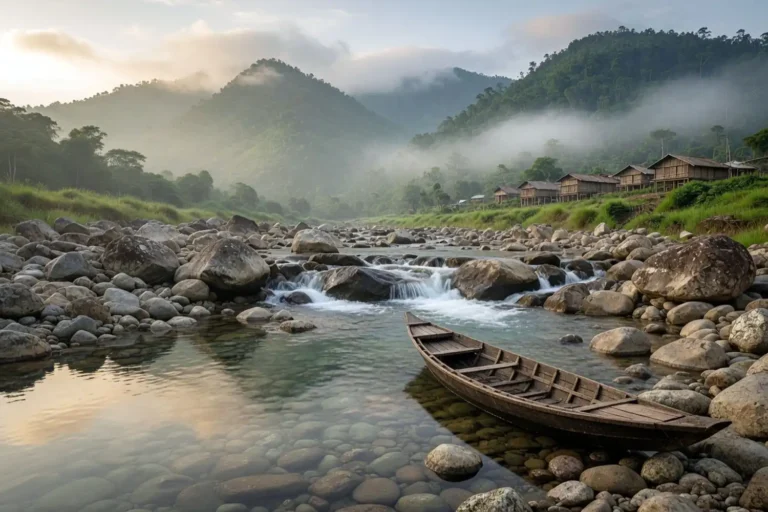
Dhuppani Waterfall sits right beside Orachhari, the village where I was born. I grew up in Kaptai, but my roots are in Orachhari, so this place is personal for me. From the village, it takes only a 30-minute walk to reach the falls. In other words, Dhuppani sits between Uluchhari and Orachhari.
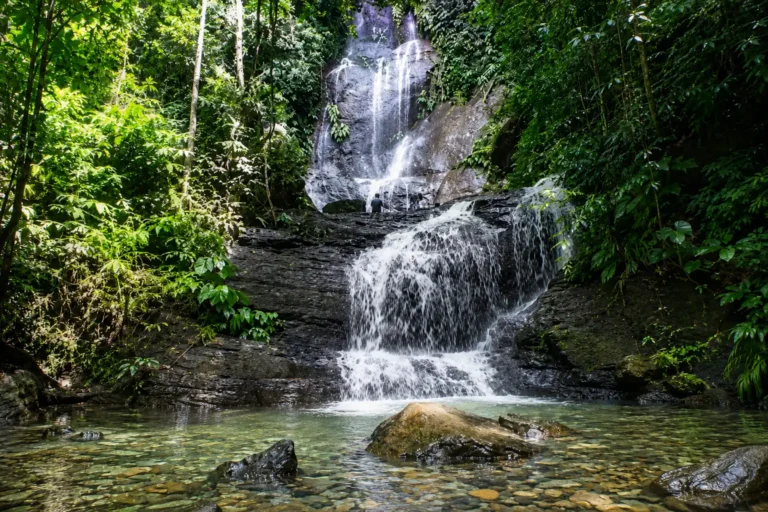
The waterfall falls inside our local area, so it carries a Tanchangya name. In the Tanchangya language, “Dhuppani” means white water, and rendered in English the full name is “white water waterfall.” The water turns white as it drops from a great height against the dark rock, which fits the name well.
Around the year 2000, a Buddhist meditation monk began meditating at this spot. Later, through local people, the waterfall became known to travelers across the region. Today it draws visitors who want a real trek rather than an easy roadside view.
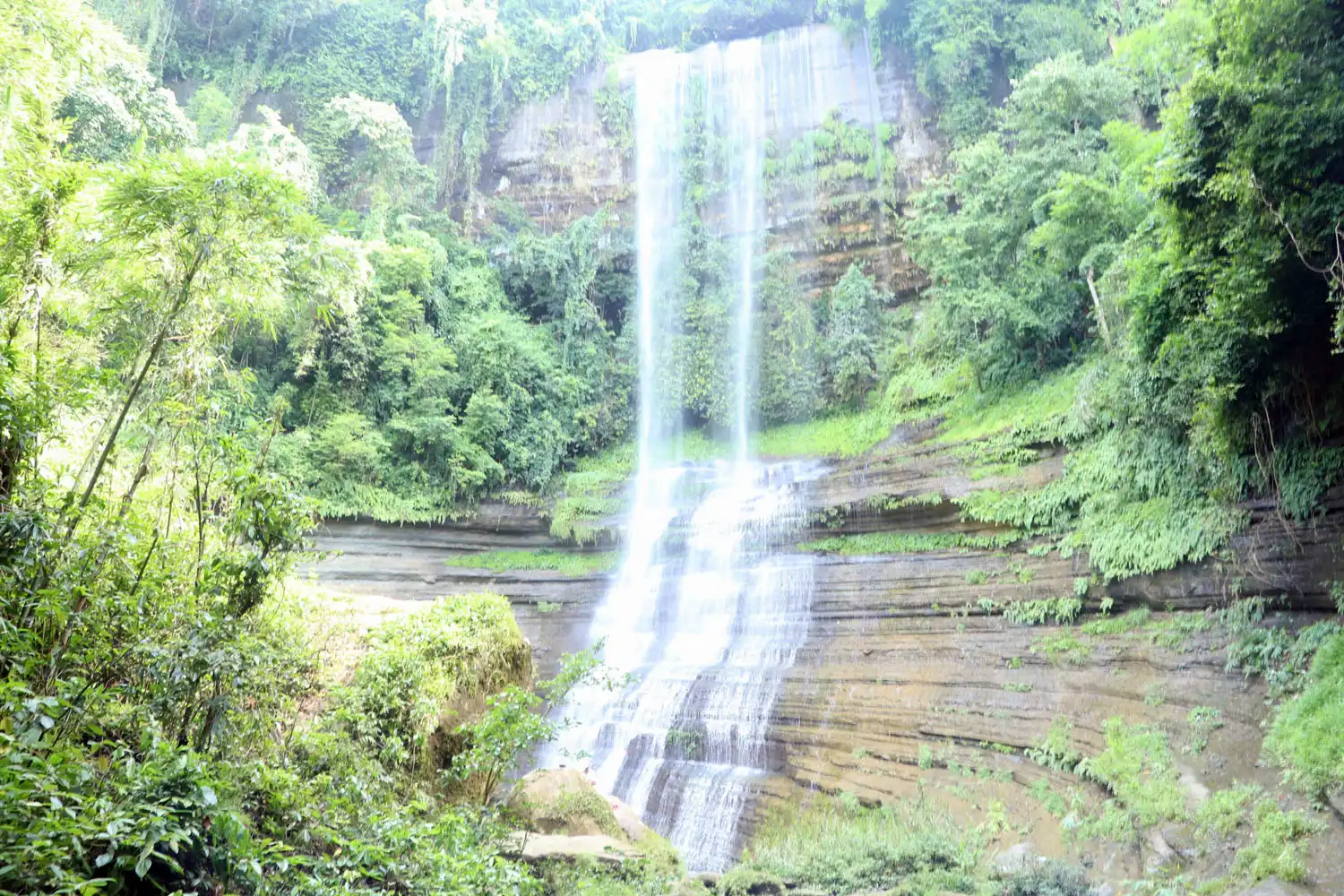
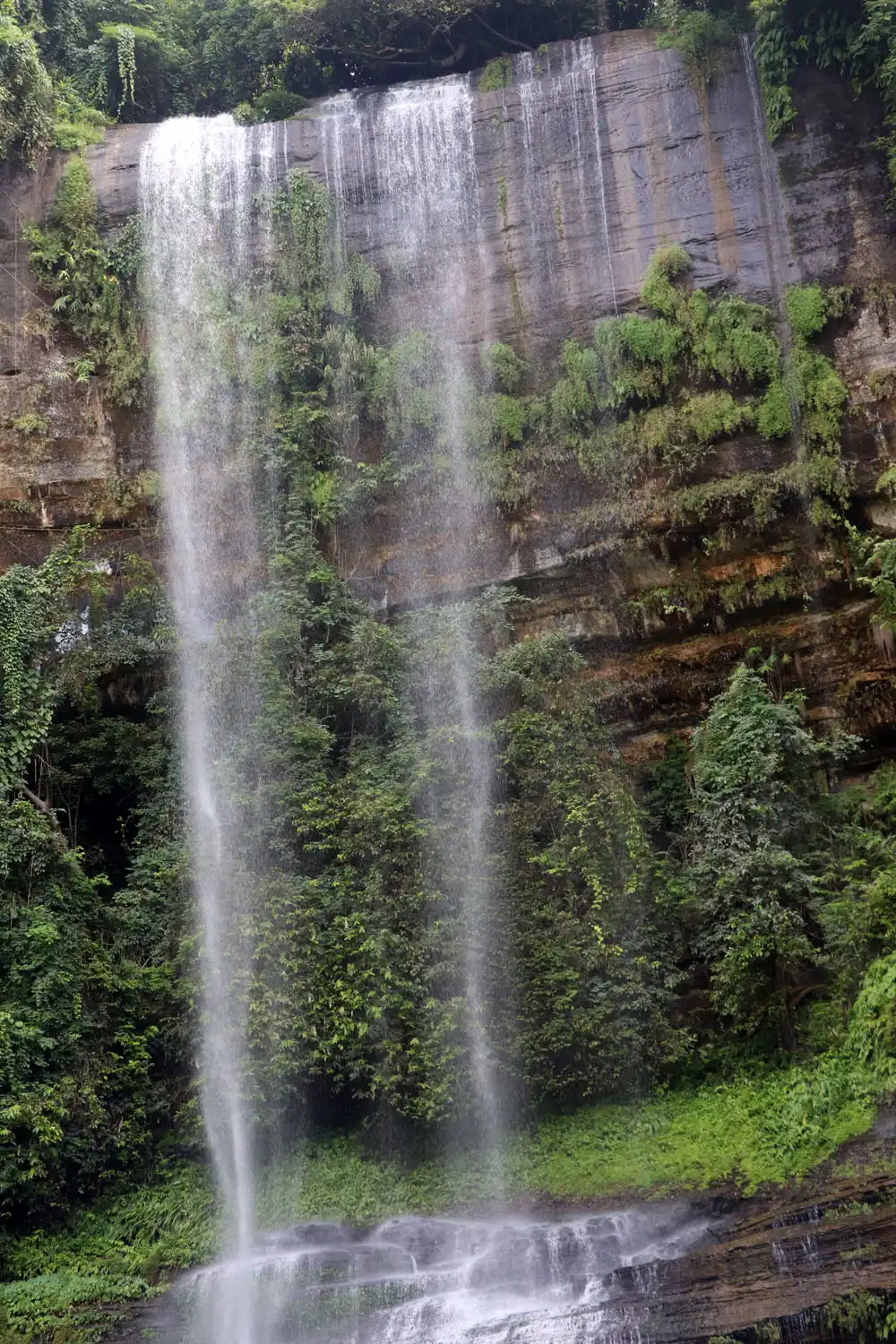
From the ground, Dhuppani Waterfall stands about 150 meters tall (roughly 490 feet). The forest around it still holds wildlife, including deer, wild boar, jungle cats, and bears. The fall is loud too, so you can hear the water crashing from about two kilometers away.
Also see: How to Visit Damtua Waterfall
How to reach Dhuppani Waterfall
Getting to Dhuppani Waterfall takes a bus, a trawler, a boat, and a trek, in that order. The route runs from Dhaka to Kaptai, then across the water to Bilaichhari, on to Uluchhari, and finally up the trail to the falls. Here is the full sequence.
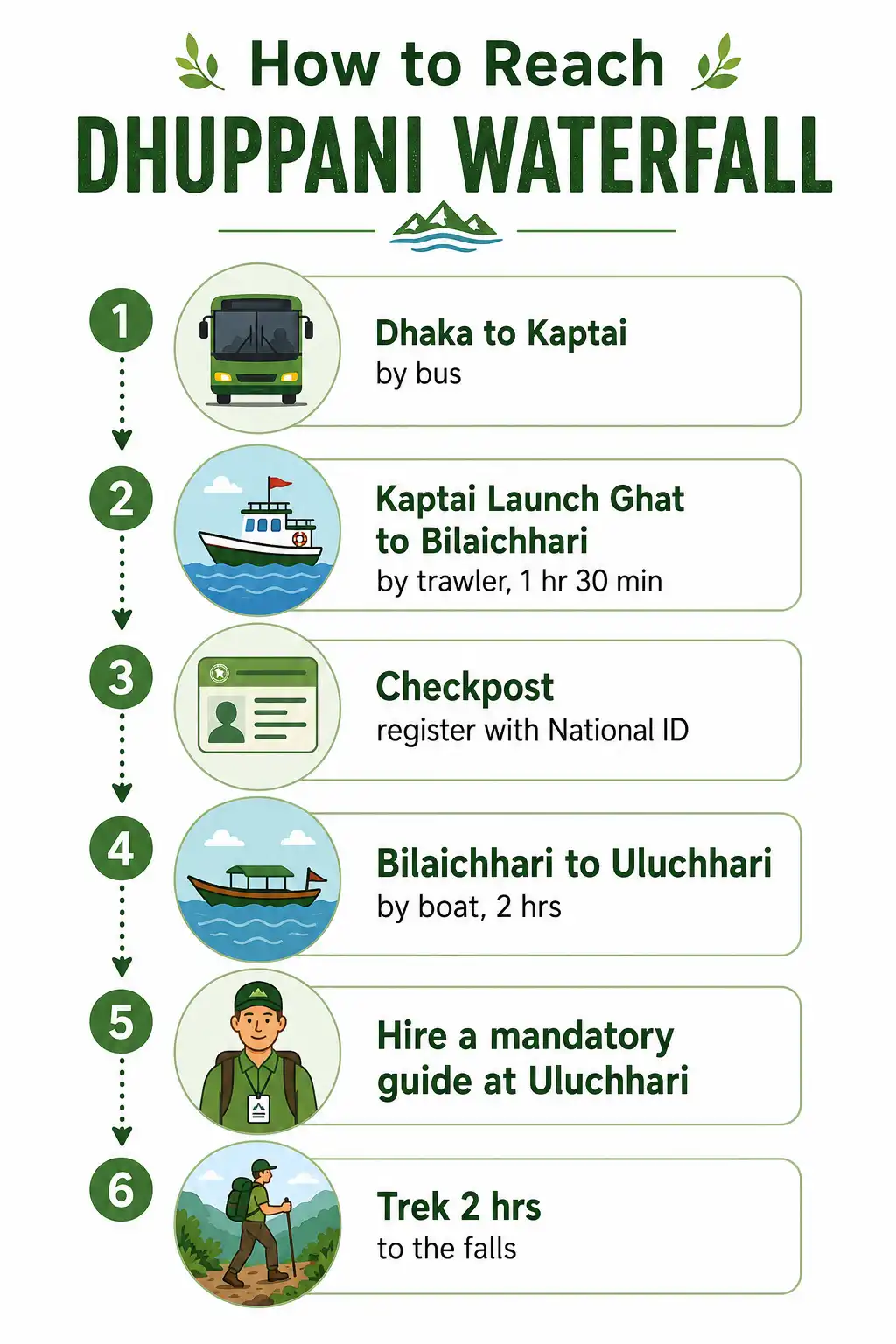
1. Dhaka to Kaptai. Several bus services run from Dhaka to Kaptai in Rangamati. Pick a bus that suits your schedule, and travel straight to Kaptai.
2. Kaptai to Bilaichhari by trawler. From Kaptai Launch Ghat, a trawler reaches Bilaichhari in about 1 hour 30 minutes. A reserved trawler costs around 2,000 to 2,500 BDT (roughly $16 to $21) and seats 10 to 15 people. If you prefer a local trawler instead, it charges about 80 BDT per person, and boats leave Kaptai Ghat at 8:30 AM, 1:00 PM, and 1:30 PM. Before you board, grab breakfast near Kaptai Launch Ghat. A checkpost sits on the way to Bilaichhari, so everyone must register there with a copy of their National ID card. (USD figures here are approximate and shift with the exchange rate.)
3. Bilaichhari Bazar. Once you reach Bilaichhari Bazar, you can eat a proper meal. If you want to stay the night, cottages are available here.
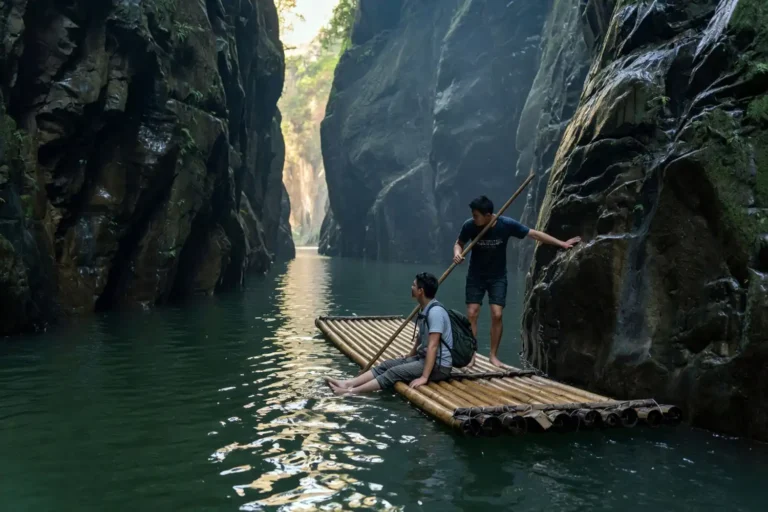
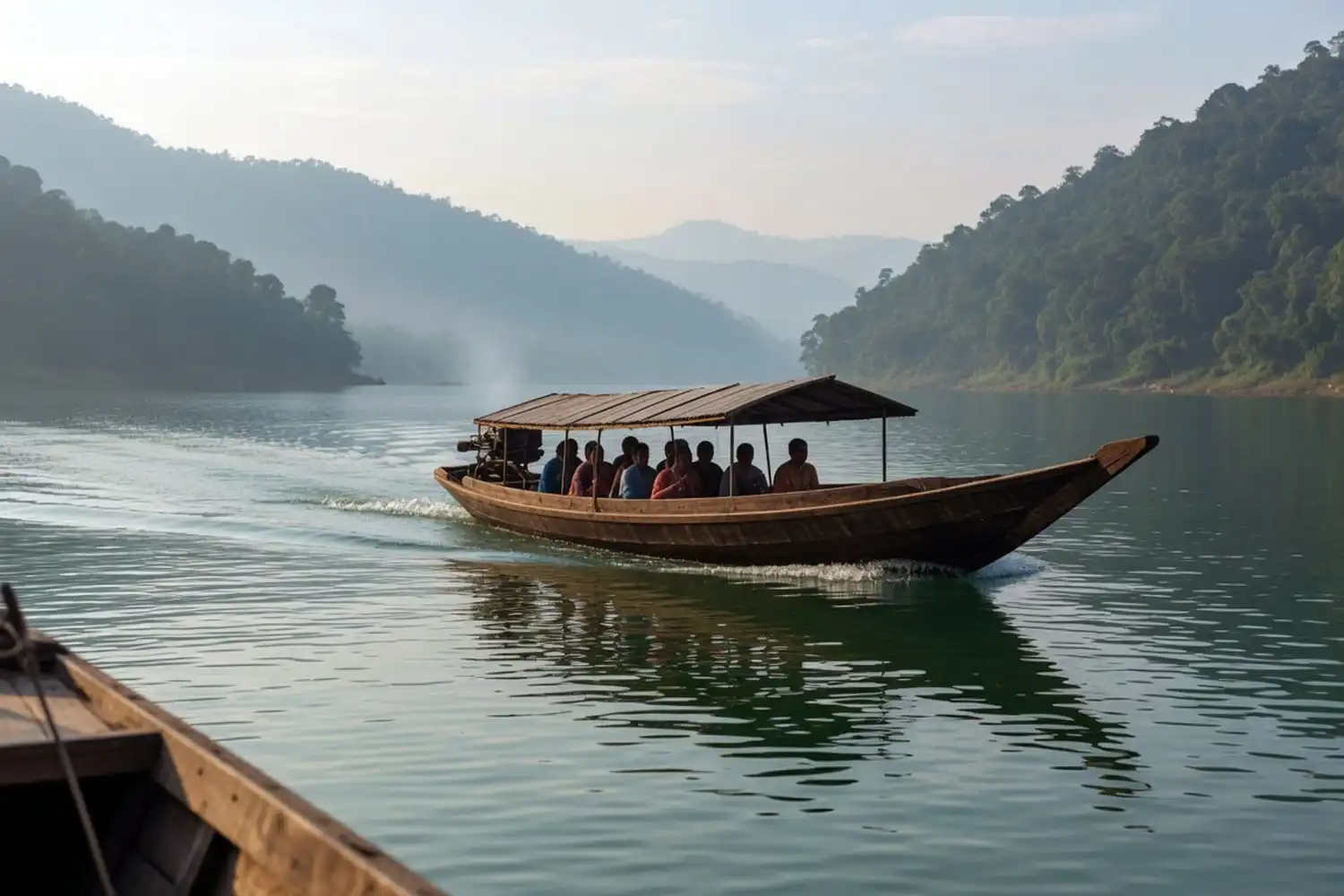
4. Bilaichhari to Uluchhari by boat. From Bilaichhari, Uluchhari is about a 2-hour boat ride away. Boats run both ways, so the return trip is easy to arrange.
5. Guide from Uluchhari. A local guide is mandatory from Uluchhari. The fee is negotiable, and it usually lands around 500 BDT (about $4).
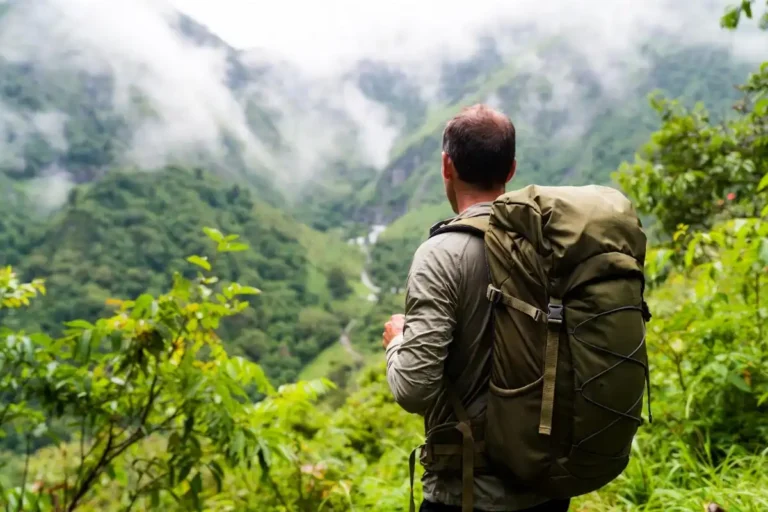
6. The trek to the falls. During full monsoon, you first cross a small canal by dinghy from Uluchhari, and then the trek begins. The opening stretch stays fairly flat, but it can turn very muddy. After that, the path climbs up and down through the hills. From Uluchhari, the walk to Dhuppani Waterfall takes about 2 hours.
Good to know: A guide from Uluchhari is required, not optional. You must also show photo ID at the route checkposts, including the Alikiyang Army camp. The best season runs July to October, and the trail gets steep and slippery in places, so step carefully.
If you would rather not break the journey into separate boats, you can reserve one boat straight from Kaptai Launch Ghat that covers Bilaichhari and Uluchhari, both ways. Depending on the boat size, this costs about 6,000 to 8,000 BDT (roughly $50 to $65). A boat ride across Kaptai Lake is scenic on its own, so the longer water leg never feels wasted.
Is Dhuppani Waterfall open to visitors in 2026?
Yes, Dhuppani Waterfall and the wider Rangamati area are open to visitors in 2026, with a few conditions. Domestic travelers must register with a photo ID at the route checkposts, and the Alikiyang Army camp is one of them. Foreign nationals, however, need prior permission from the authorities before visiting the Chittagong Hill Tracts. Travel rules in this region can change at short notice, so confirm the current situation before you set out.
Know more: Risang Waterfall: How to Reach
Where to stay near Dhuppani Waterfall
There is no place to stay right at Dhuppani Waterfall. Bilaichhari, however, has overnight options, and that becomes your base. Because the falls sit far from town, you should start early, see the waterfall, and head back to Bilaichhari before evening.
If you arrive by reserved trawler, ask the boatman to stop at Hospital Ghat, and from there you can check into Niribili Boarding. Rooms there cost about 300 to 500 BDT for single and double beds. For booking, you can contact the Niribili Boarding proprietor, Sanjay Talukder, on 01827-722905 or 01553-128673. Beyond that, Niladri Resort and the Upazila Rest House also offer rooms in the area.
Read next: Best Time to Visit Shoilopropat Waterfall
Where to eat in Bilaichhari
Bilaichhari Bazar has several food hotels. You will find local dishes here, including bamboo shoot preparations, fresh fish from Kaptai Lake, and other regional cooking. If you travel in a large group, order your meals ahead of time, because the kitchens are small and cooking takes a while.
Best time to visit Dhuppani Waterfall
The best time to visit Dhuppani Waterfall is July through October. During these months, the monsoon keeps the falls full and powerful, which is exactly what makes the long trip worthwhile. The trade-off is mud and slick rock, so plan for wet conditions. Outside this window, the water thins out, and the effort pays off far less.
Tour plan: Dhuppani, Muppochhara, and Nakata Waterfall
Bilaichhari sits close to a few other waterfalls, and the most popular are Muppochhara Waterfall and Nakata Waterfall. Many travelers want to see all three on one trip. For that, you need to stay overnight at Bilaichhari. On day one, head out to Muppochhara and Nakata, then return to Bilaichhari Bazar for the night. On day two, set off early through Uluchhari, see Dhuppani Waterfall, and then return to Kaptai.
Visiting Dhuppani Waterfall in one day
You can visit Dhuppani Waterfall in a single day and return to Kaptai, as long as you move fast. To make it work, leave Kaptai very early, ideally before 7:00 AM. Do not waste time on the journey or on the trail, because the schedule is tight. You must be back in Kaptai by evening, since the boats and the daylight both run out.
Read more: Remakri Waterfall Travel Guide
Tips for the Dhuppani Waterfall trek
A few practical notes will keep your trip smooth and safe.
- Footwear: Wear shoes with a solid grip. The trail is rough, and good traction matters more than almost anything else.
- Food: Carry dry snacks. Packing trail snacks that don’t weigh down your pack keeps your energy up without slowing you down.
- Weather: Expect a slippery path when it rains. Knowing how to handle staying dry while hiking in the rain helps you move faster and fall less.
- Climbing: Pace yourself on the uphill stretches. Learning to climb uphill without burning out early saves your legs for the way down.
- Rocks: Treat every wet rock as slippery, both on the trail and around the falls. Move slowly near the water.
- Respect locals: Be polite and courteous with the people who live here.
- Noise: Keep noise down at the falls. Loud groups spoil the place for everyone.
- Environment: Leave no trace, and avoid anything that harms the surroundings.
- ID: Carry your National ID card, birth certificate, student ID, or any official photo ID. You will show it at the Alikiyang Army camp on the way in and out.
Other places to visit in Rangamati
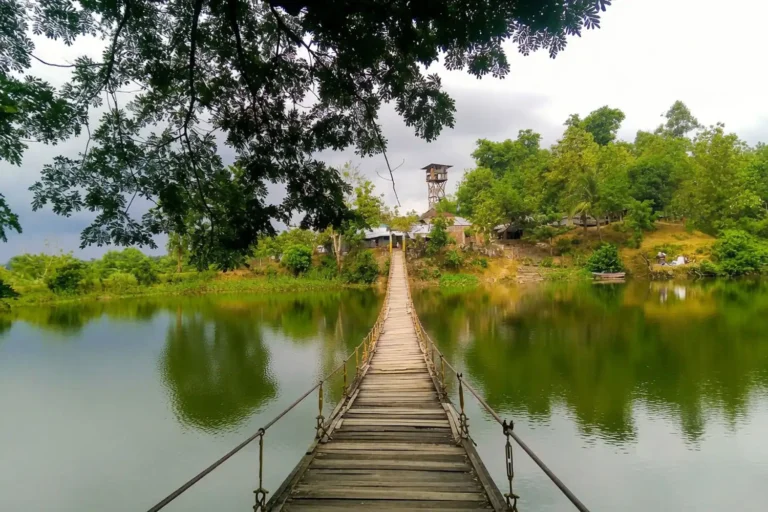
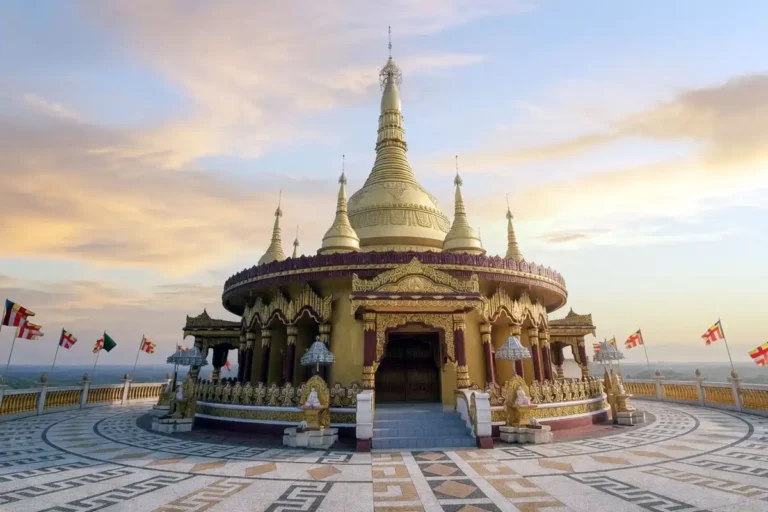
Rangamati holds several worthwhile stops beyond Dhuppani. The notable ones include Kaptai Lake, the Hanging Bridge, Shuvolong Waterfall, and Rajban Bihar. A side trip to Sajek Valley also pairs well if you have extra days. So once you have seen the falls, you can build a longer Rangamati route around the lake, the bridge, and the monastery.
FAQs about Dhuppani Waterfall

Where is Dhuppani Waterfall located?
How tall is Dhuppani Waterfall?
Do I need a guide for Dhuppani Waterfall?
What is the best time to visit Dhuppani Waterfall?
Can I visit Dhuppani Waterfall in one day?
Final thoughts
Dhuppani Waterfall rewards the effort it asks for. The trip takes a bus, two boats, and a two-hour trek, yet the payoff is a tall white-water fall in quiet hills far from any crowd. Go between July and October for the fullest water, carry your ID for the checkposts, and hire a guide at Uluchhari. Move early, respect the people and the forest, and you will come away with a clean, memorable trip to one of Rangamati’s finest waterfalls.