Debotakhum Bandarban: How to Visit, Costs and Permits

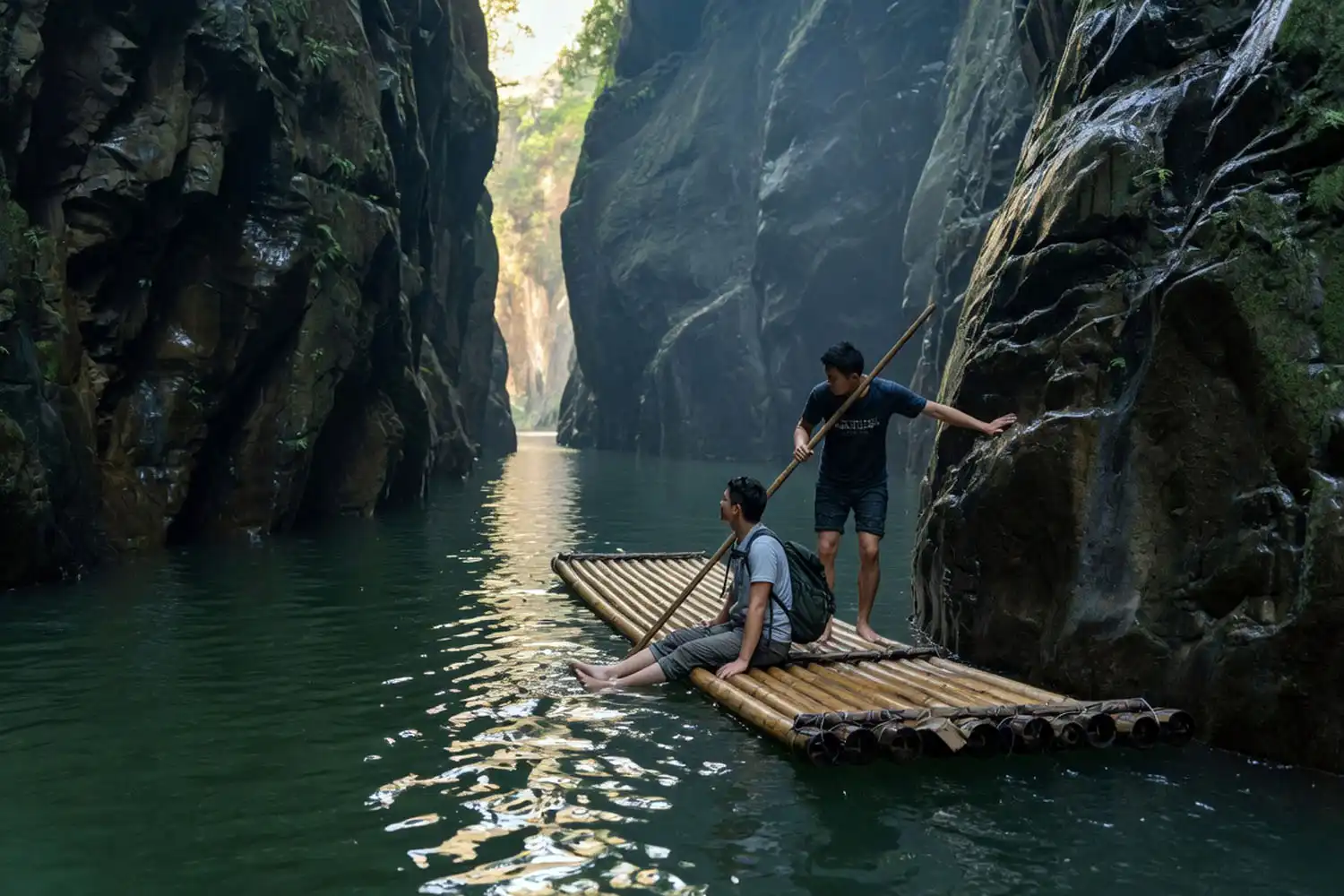
Debotakhum is one of the wildest and most beautiful khums (Reservoir) in Bandarban, and I keep going back to it. This guide walks you through exactly how to get there, the army permission, the trek, where to eat and sleep, the best season, and the practical tips I’ve learned from visiting many times.
What is Debotakhum?
Debotakhum (also spelled Debotakum) is a deep gorge in Roangchhari Upazila of Bandarban district. It sits in Shilbandha Para, about 20 km from Bandarban town. The khum is roughly 50 to 70 feet deep and around 600 feet long, with tall rock walls rising on both sides. Bandarban is basically a kingdom of khums, and this one has become a favorite for adventure lovers in recent years. If you like this kind of trip, the Keokradong peak trek makes a natural companion adventure in the same hills.
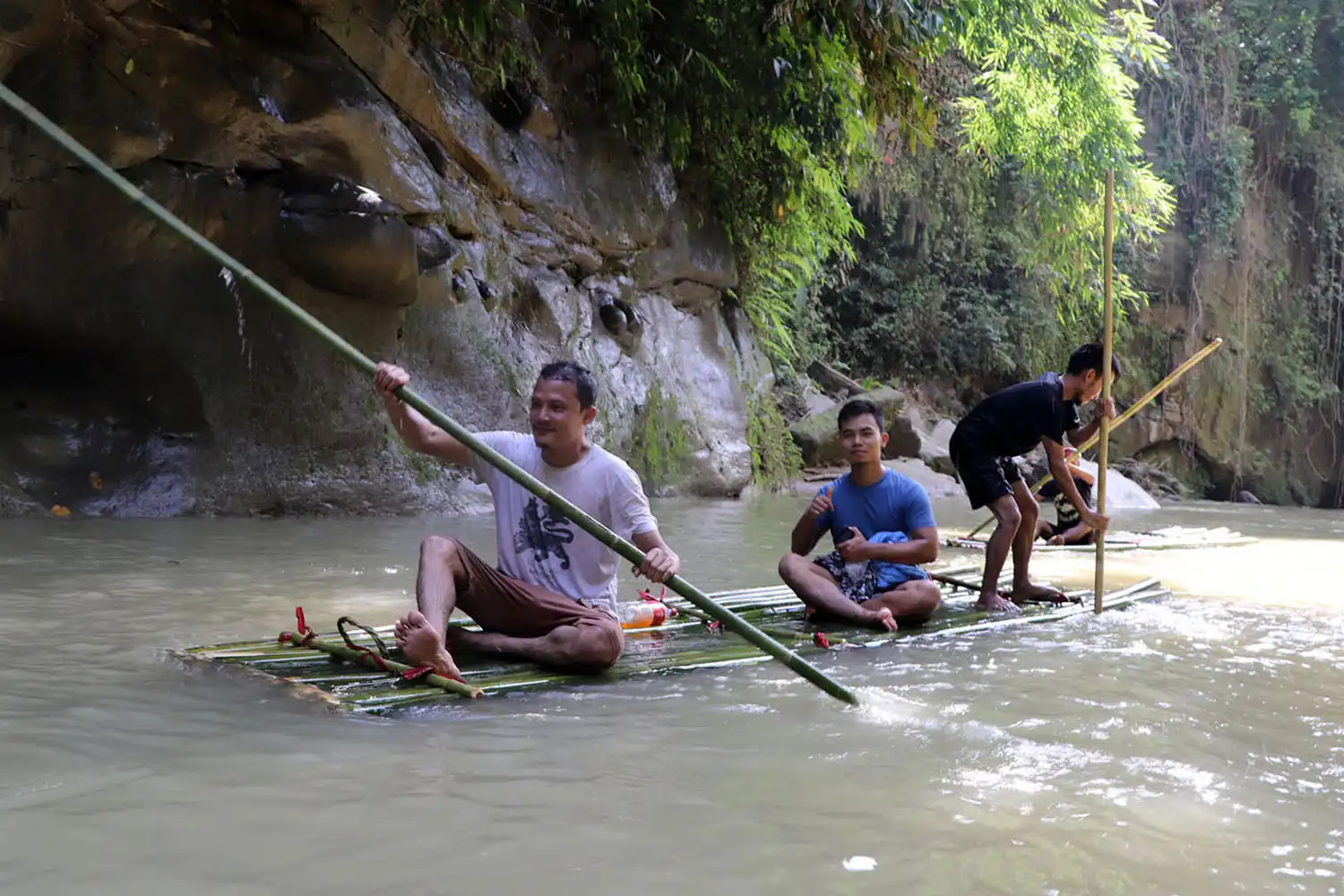
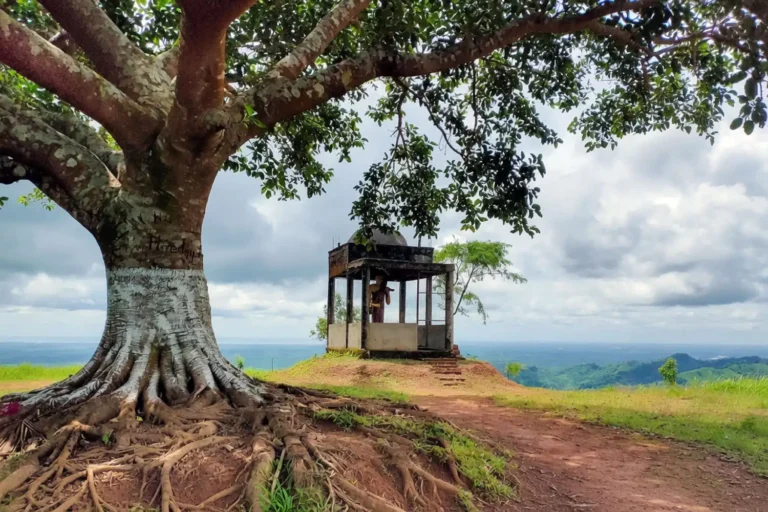
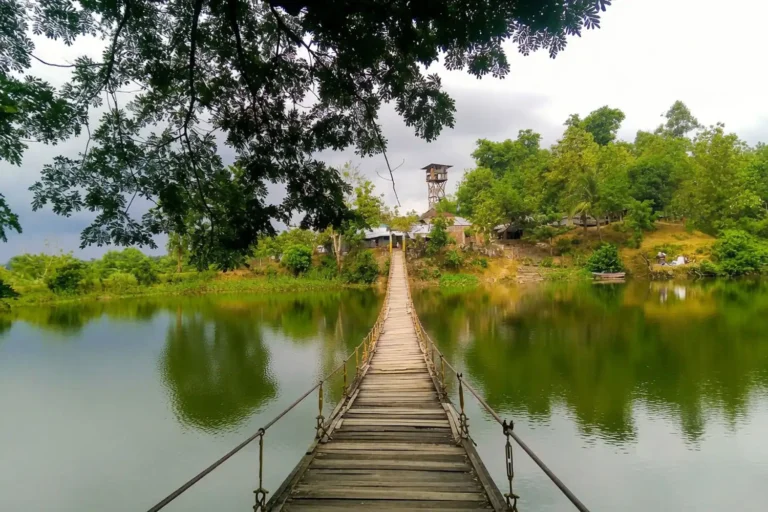
Compared to Velakhum, another popular spot nearby, Debotakhum is much bigger and much more wild. Trekking through the hills here is always a thrill. When you finally reach the khum after the walk, the scenery pulls you in completely. Steep rocky slopes on either side, a clear stream chattering past your feet, and the still, quiet water of the gorge make the whole place feel otherworldly. You float across it on a bamboo raft, and for a while you forget everything else.
See Debotakhum in the map below:
How to get to Debotakhum
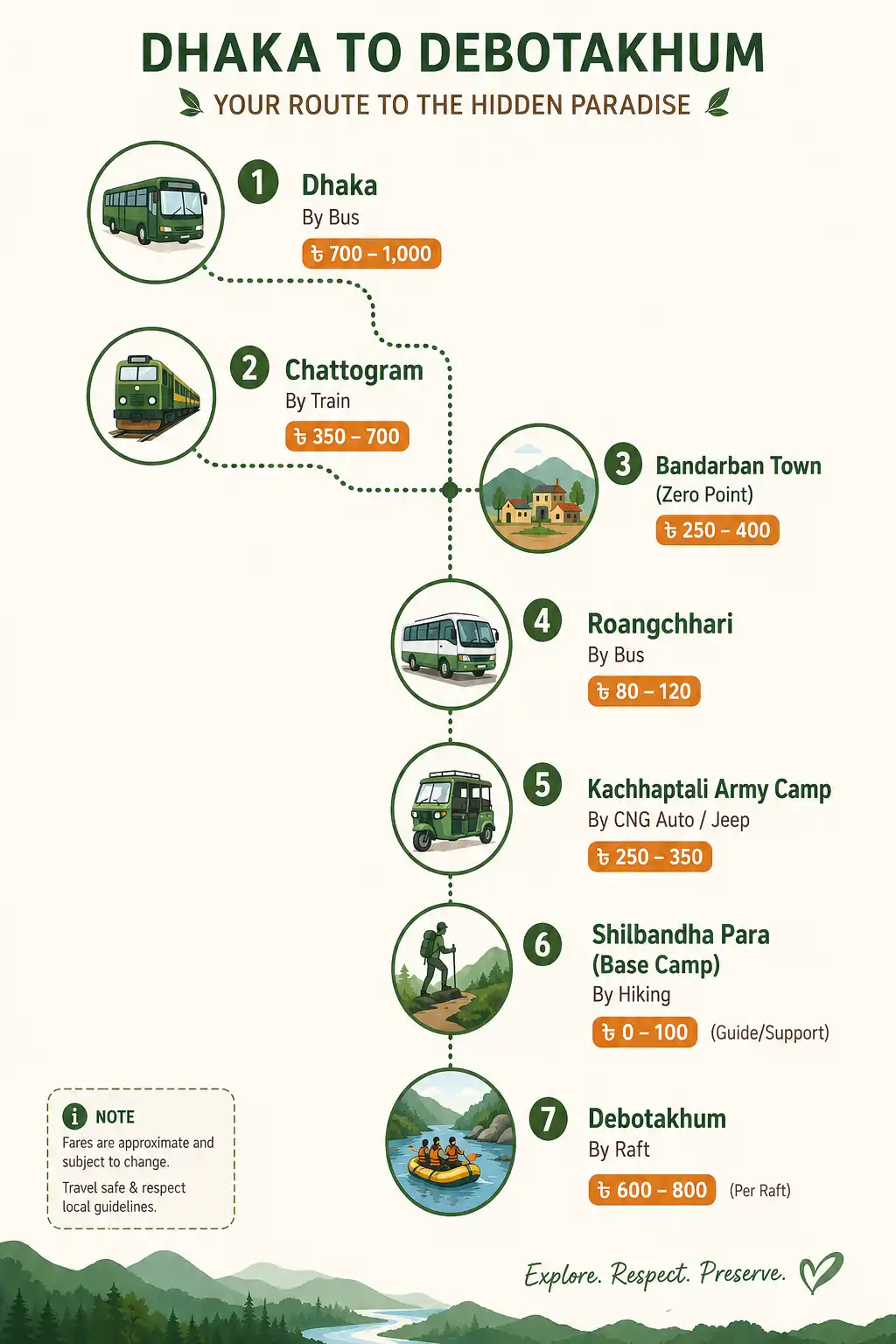
To reach Debotakhum, you first have to get to Bandarban from wherever you are in the country. From there you travel to Roangchhari, then to the Kachhaptali army camp, and finally trek to the khum. Below I break down every leg of the journey.
Getting to Bandarban from Dhaka
A night bus is the easiest way to reach Bandarban from Dhaka. Both AC and non-AC coaches run this route. For non-AC service, you’ll find Shyamoli, Saudia, Unique, Dolphin, Saint Martin, and S Alam, among others. These buses leave from Kalabagan, Fakirapool, and Sayedabad, and the last one usually departs by around 11 pm. Non-AC fares run roughly 580 to 620 taka, while AC coaches cost somewhere between 1,000 and 1,500 taka.
You can also go by train, though there’s no direct train to Bandarban. Instead, take any Dhaka to Chattogram train, then continue by bus. Several trains cover this route, including Sonar Bangla Express, Suborna Express, Turna Nishitha, Chattala, Mohanagar, and Godhuli. Depending on the train and the seat class, fares fall somewhere between 200 and 1,000 taka.
Getting to Bandarban from Chattogram
From Chattogram, buses to Bandarban leave from Notun Bridge, Dampara, and the Bahaddarhat bus terminal. At Bahaddarhat, two operators, Purbani and Purabi, send a coach out about every 30 minutes. The fare is around 220 taka, and the ride is short compared to the long haul from Dhaka.
Bandarban to Kachhaptali
From Bandarban, your first target is the Kachhaptali army camp in Roangchhari Upazila. Bandarban town to Roangchhari is about 20 km, and Roangchhari to Kachhaptali is another 5 to 6 km. The common way is to take a bus to Roangchhari first, then grab a CNG auto-rickshaw onward to Kachhaptali. Buses to Roangchhari leave roughly every hour from Bandarban, and the fare is about 60 taka. The CNG from Roangchhari to Kachhaptali costs around 150 taka.
If you’d rather skip the transfers, you can hire a jeep (the local Chander Gari) straight from Bandarban town to Kachhaptali. A jeep runs about 1,800 taka and seats 12 to 13 people, so it works out cheaply when you split it across a group. If you want help dividing trip costs without friction, our notes on splitting group camping costs fairly apply just as well to a day like this.
Kachhaptali to Debotakhum
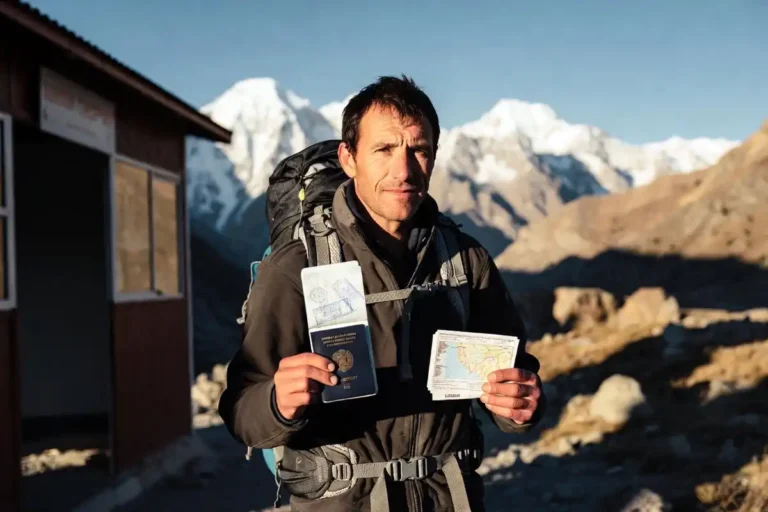
At Kachhaptali, your first job is to report to the army camp. Everyone in your group has to submit a photocopy of their National ID card or another photo ID to get permission. Bring these photocopies with you from home, because there’s no photocopy shop out there. Once you’ve reported, the army can arrange a guide for you, or you can sort out a guide yourself. The guide fee is 500 taka.
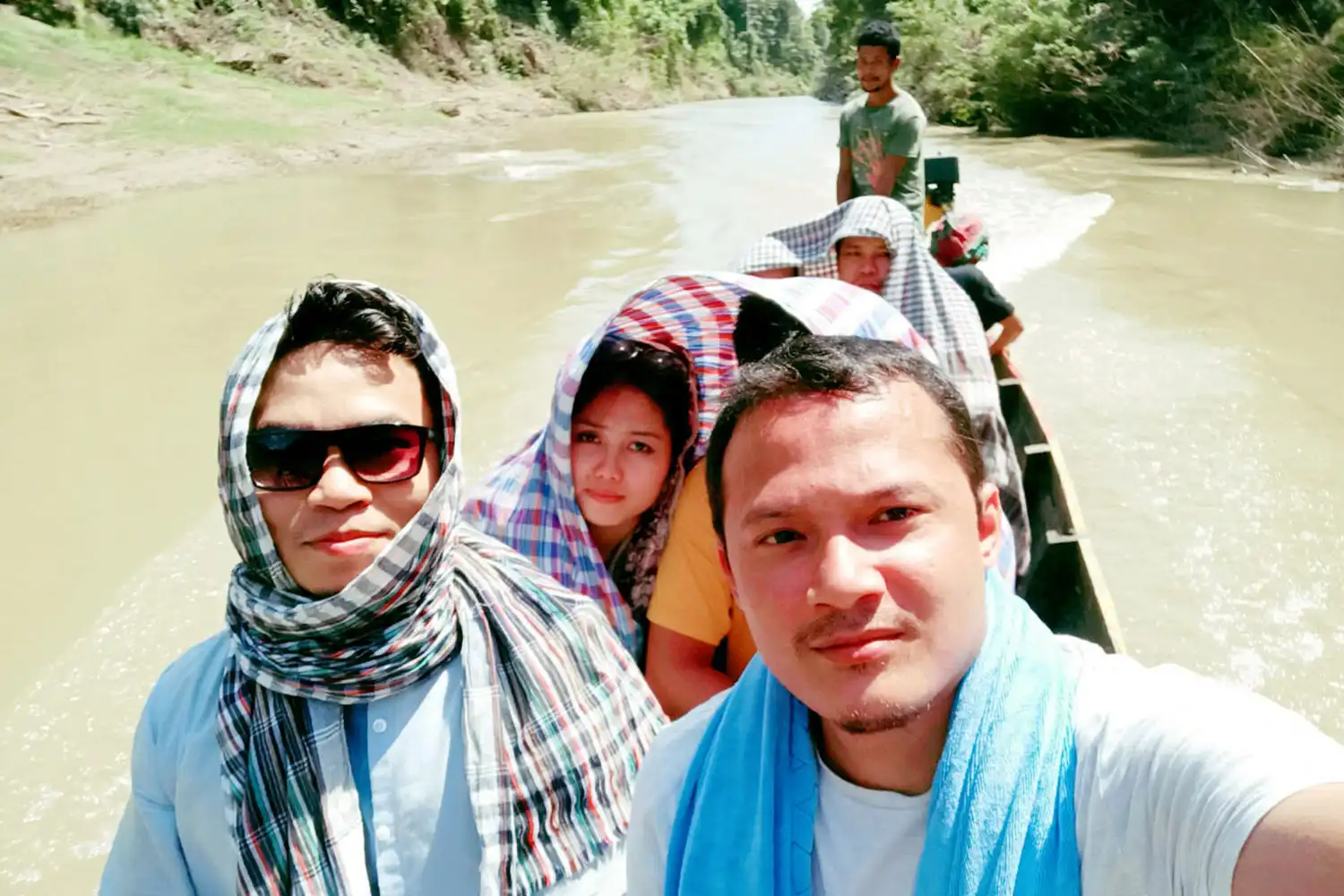
After you’ve got your guide, the trek to Debotakhum begins. This is a moderate trekking route, not too punishing, but not a flat stroll either. From Kachhaptali to the khum takes about 1.5 to 2 hours.
If you go to visit during the rainy season, you will definitely have to take a boat, because the river at Debotakhum will have more water at that time, and you won’t be able to go on foot.
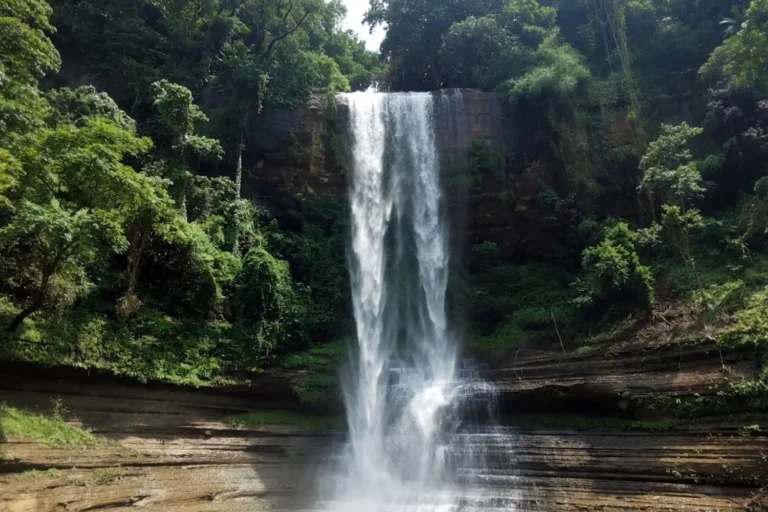
You walk alongside hills, forest, and a stream, crossing the stream several times on the way. Eventually you arrive at Shilbandha Para, which is essentially your base camp. There’s a waterfall near the village called Shilbandha Waterfall, and you can stop to see it on the way in or out.
From the village, it’s another 30-minute walk to reach the khum itself. Birdsong, green forest, scattered rocks of every size, and the steady babble of the stream keep you company the whole way. At Debotakhum, you board a bamboo raft and drift across the gorge, and you can happily lose track of time out on the water.
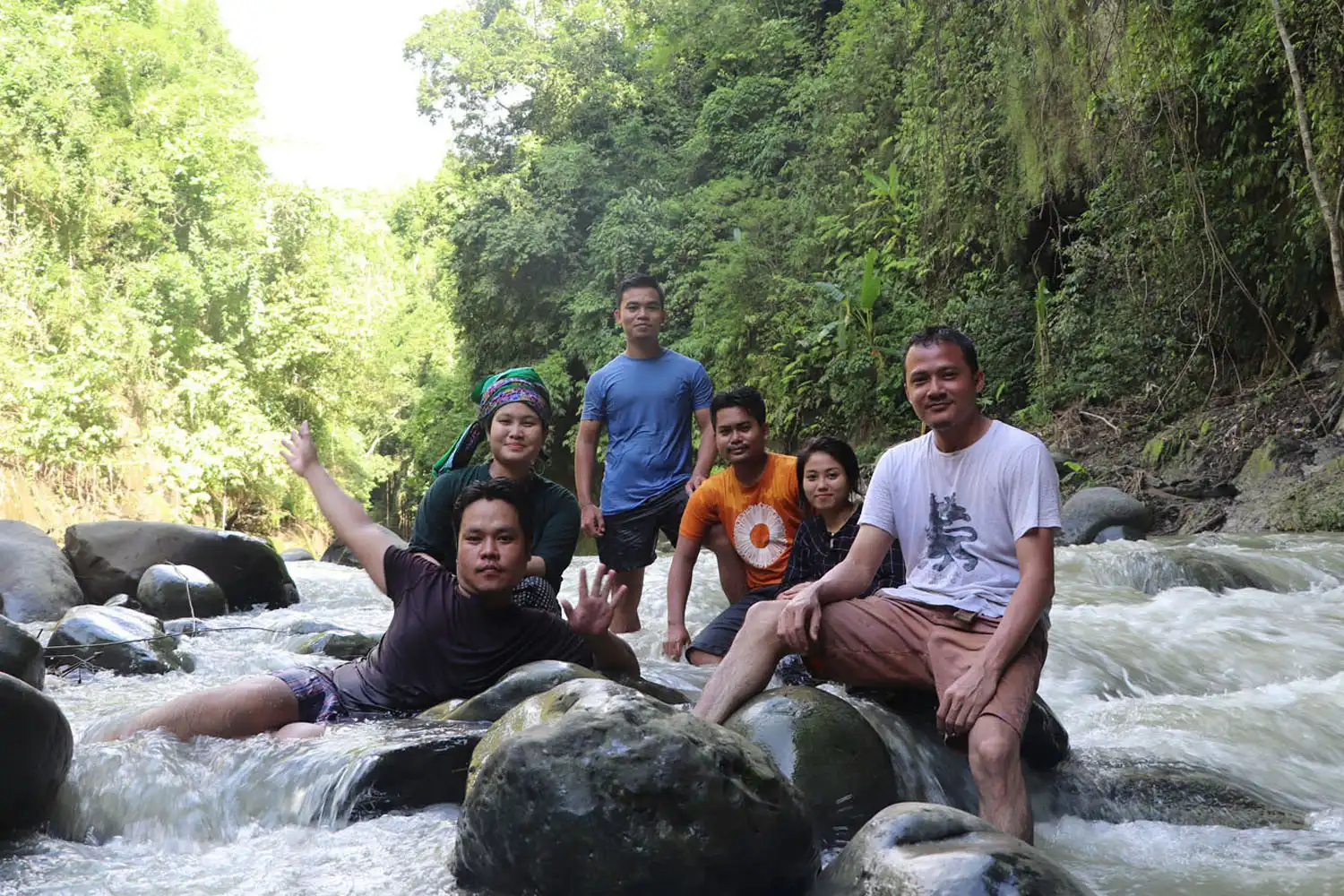
Because part of the trail is wet and you’ll be in and out of the stream, blisters are the most common complaint I hear from first-timers. A little prep goes a long way, so it helps to know how to keep blisters off your feet before you set out. Trekking poles also save your knees on the rocky stretches, and I rarely walk a trail like this without using hiking poles to protect my knees.
Where to eat
Have your morning breakfast in Bandarban town before you head out. There are plenty of restaurants right beside the bus stand. Among them, Rupasi Bangla and Kolapata serve solid, decent food, and breakfast there runs about 50 to 70 taka. The important thing is lunch: once you reach Kachhaptali, place your lunch order before you start trekking. Otherwise you’ll come back hungry with nothing ready, because the cooks only start once you order. Kachhaptali has three or four small food shops, and the usual menu is chicken, dal, and mashed potato (alu bhorta). A meal costs around 100 to 150 taka.
Local hill food is freshly cooked and generally safe, but if your stomach is sensitive, it’s smart to know how to avoid food poisoning while out on a trip like this. Out here a bad stomach has no quick fix nearby.
When is the best time to visit Debotakhum?
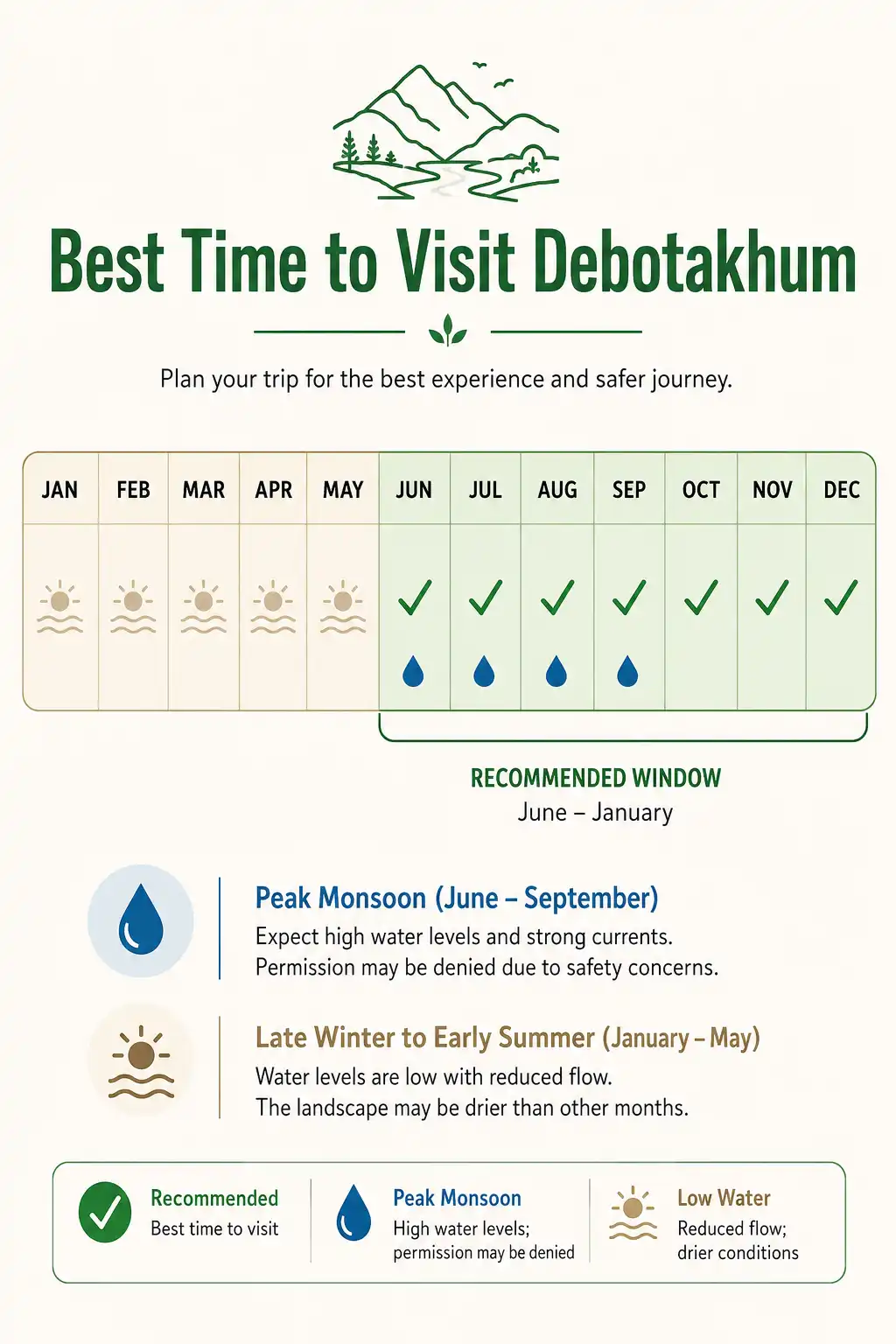
The best time to visit Debotakhum is from June to January. You can technically go year-round, but timing matters more than people expect. During peak monsoon, the stream and the khum sometimes swell with too much water, and the army then refuses permission to enter for safety reasons. From late winter into early summer, the water drops very low, and the khum loses much of its magic. So if you want the khum at its best, plan your trip within that June to January window.
Where to stay
There’s no lodging at Debotakhum or anywhere right beside it, since the khum is a deep river gorge with no facilities. The good news is you don’t need to stay nearby. If you leave Bandarban in the morning heading for the khum, you can be back in town by evening. So after dinner you can even start your trip back to Dhaka or wherever you’re headed that same day. If you’d rather stay the night, Bandarban town has a good range of hotels at different price points.
A few hotels in Bandarban
- Hotel Hill View: Right beside the main bus stand in Bandarban town. A fairly good hotel overall. Room rates run 1,200 to 2,800 taka.
- Hotel Plaza: Another good-quality option with its own restaurant. Neat, tidy, and pleasant. Rooms run 1,500 to 6,000 taka.
- River View: Located inside town on the bank of the Sangu River. Room rates are 600 to 1,800 taka.
- Hotel Night Haven: About 4 km from town, near Nilachal. Room rates run 1,500 to 4,000 taka.
- Parjatan Motel: About 4 km from town, near the Meghla tourism complex. Depending on the category, rooms run 1,200 to 2,500 taka.
A few guide contacts (tour operator)
If you’d like to line up a guide ahead of time, here are some numbers I’ve used or that fellow trekkers rely on. Guides here are local and know the trail and the stream crossings well.
- Apon Joy Tanchangya: 01882-267714
- Shubhojoy Tanchangya: 01881-554582
- Runmoy Lal: 01857-272095
- Chiku: 01890-170803
Debotakhum travel tips
These are the things I always tell anyone heading out for the first time. They’re small, but each one can save your trip.
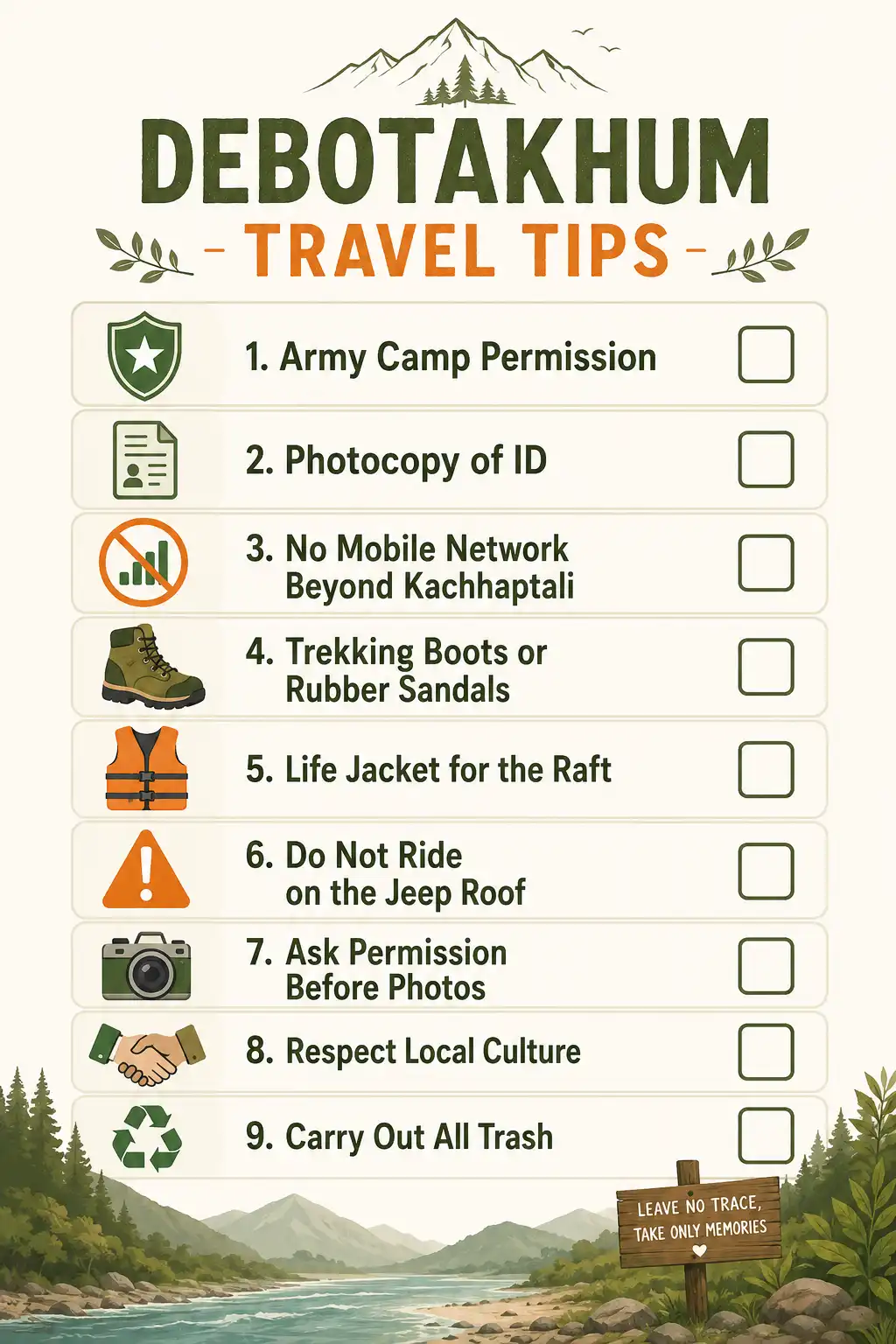
- You cannot enter Debotakhum without reporting to the army camp at Kachhaptali first. There’s no way around this step.
- For permission, you need a photocopy of your National ID or another photo ID. There’s no photocopy shop out there, so get it done before you leave home.
- After Kachhaptali, you’ll be out of mobile network range, so let people know in advance.
- Wear trekking boots for the walk. Plastic or rubber sandals also work if you prefer, since your feet will get wet at the stream crossings.
- Carry a life jacket for the bamboo raft ride across the khum.
- Don’t ride on the roof of the Chander Gari. The roads are winding, and sitting up top is dangerous.
- Never photograph indigenous people without their permission. It’s basic courtesy.
- Respect the local indigenous culture. Don’t say anything you wouldn’t want said to you by someone from another community.
- Don’t leave any non-biodegradable trash in the hills, or in town for that matter. How you treat a place says everything about you.
A light day pack keeps the trek comfortable, and it’s worth packing a day pack the right way so the weight sits well and nothing digs into your shoulders.
FAQs on Debotakhum

Do I need permission to visit Debotakhum?
How long is the trek to Debotakhum?
Is Debotakhum safe to visit during monsoon?
Can I visit Debotakhum as a day trip?
How deep is Debotakhum?
Final thoughts
Debotakhum rewards the effort it asks for. The bus ride, the army permission, the stream crossings, and the final quiet walk all build up to that moment when you push off on a bamboo raft between towering rock walls. Plan your trip for June to January, carry your ID photocopies, order lunch before you trek, and respect the hills and the people who live there. Do that, and you’ll come back with the same pull I feel every time, the one that keeps me returning to this gorge again and again.