How Long Do Hiking Boots Last Before You Need a New Pair

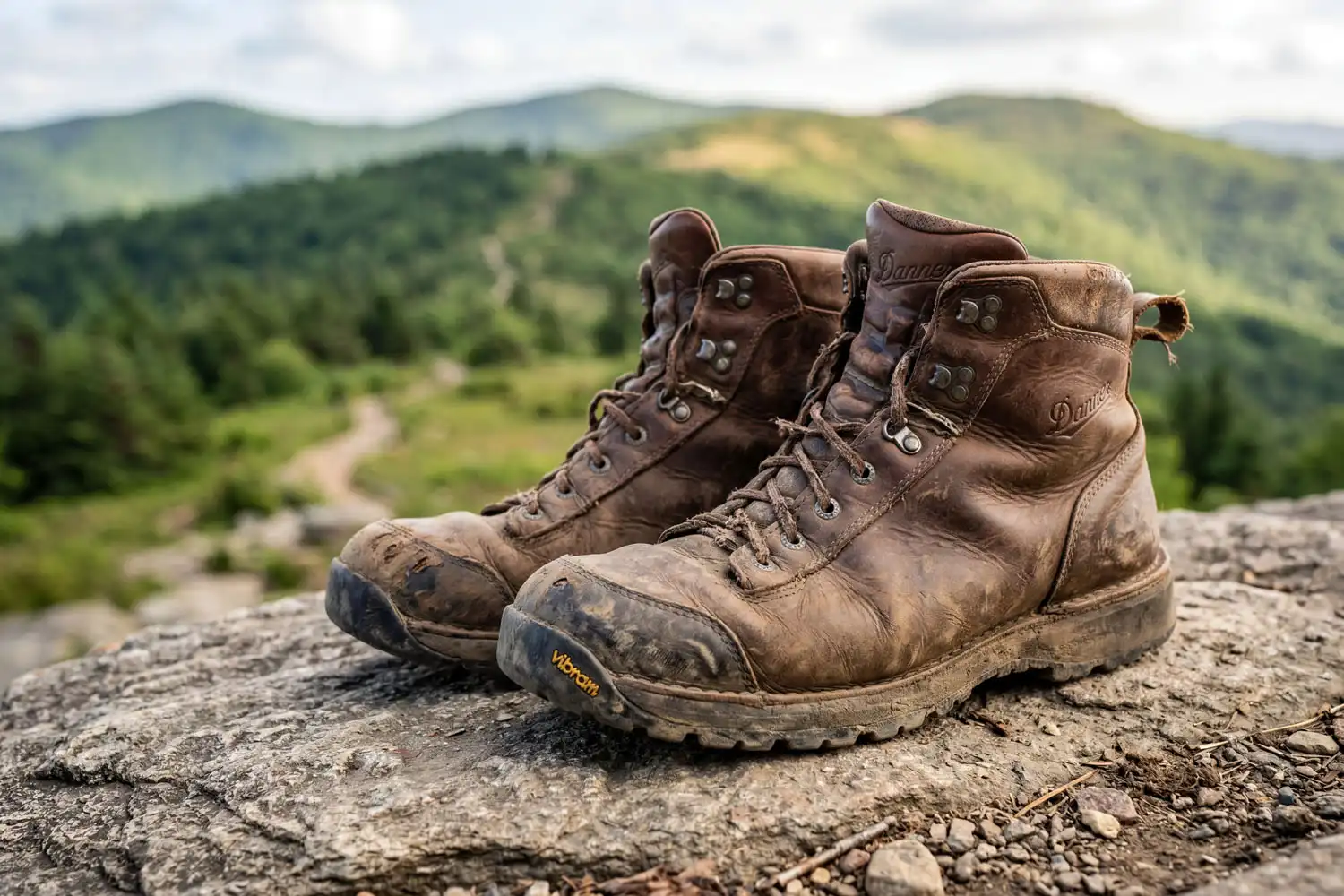
Hiking boots are not cheap, so the question I hear most often from new hikers is simple: how long should a pair actually last? After years of trekking through the Bandarban hills, the wet trails around Kaptai, and the rocky climbs up to Keokradong, I’ve worn out more boots than I’d like to admit. The honest answer depends on a handful of things, and once you know them, you can stretch a good pair well past what most people expect. Here’s the full picture, from average mileage to wear signs to care habits that buy you extra seasons.
How long do hiking boots last on average?
Most hiking boots last between 500 and 1000 miles of trail use, which works out to roughly one to three years for an average weekend hiker. That range covers everything from light day-hike use to multi-day backpacking on mixed terrain. Boots used only a few times a year on easy trails can hold up for 5 years or more, while boots taken on weekly mountain hikes may wear out within 12 months.
Mileage matters more than calendar age. A pair sitting in a closet for two years usually still has plenty of trail life left. However, the foam midsole breaks down slowly even without use, so very old boots stored in heat or sunlight lose cushioning regardless of mileage.
Know more: Proper Hiking Boots Fit
What affects how long hiking boots last?
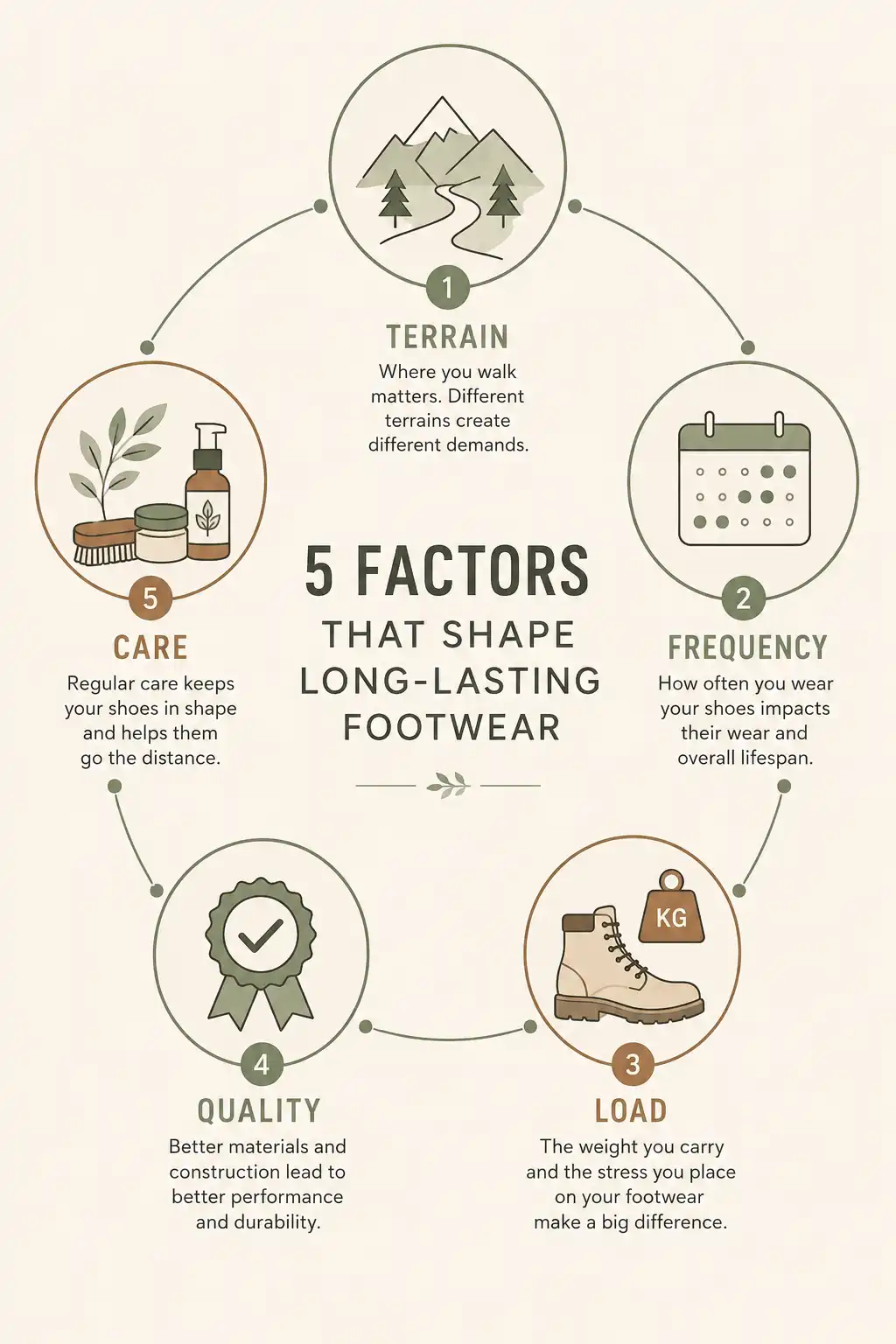
Five factors shape the lifespan of any pair of hiking boots: terrain, frequency, load, build quality, and care.
Terrain you hike on
Rocky, sharp, and abrasive terrain wears out soles fastest. Granite scree, sharp shale, and loose gravel grind down lugs in a single season. Soft dirt trails, pine forest floors, and grassy paths are much gentler. After a few trips on the rocky climb up to Keokradong, I noticed the lugs on my boots had visibly flattened, while the same boots had stayed sharp through months of easier forest walking.
How often you hike
Weekly hikers burn through boots far faster than monthly or seasonal hikers. Two long outings a week can put 1000 miles on a pair in under two years. Meanwhile, a hiker doing one trip a month may take 5 years to reach the same mileage.
Body weight and pack weight
Heavier loads compress midsole foam faster. A 200-pound hiker carrying a 40-pound backpack pushes far more force into the boot’s cushioning than a 130-pound day hiker with a light daypack. Multi-day backpacking trips, in particular, age boots quickly because the load stays heavy for days at a time.
Boot quality and construction
Full-grain leather boots with stitched midsoles generally outlast lightweight synthetic boots with glued construction. Premium boots often cost more up front, but they can be resoled, which doubles or triples their useful life. Cheaper boots usually cannot be resoled because the upper falls apart before the sole does.
Storage and care
Sweat, mud, and sun are the three biggest enemies of hiking boots. Wet boots tossed in a closet grow mold and weaken the stitching. Cars parked in the sun bake the adhesives until the soles separate. Then there’s UV exposure, which slowly degrades synthetic materials. Simple care habits matter more than most hikers realize.
Signs your hiking boots are worn out
Five clear signs tell you when boots have reached the end of their trail life. After spotting any of these, plan to replace them before your next long trip.
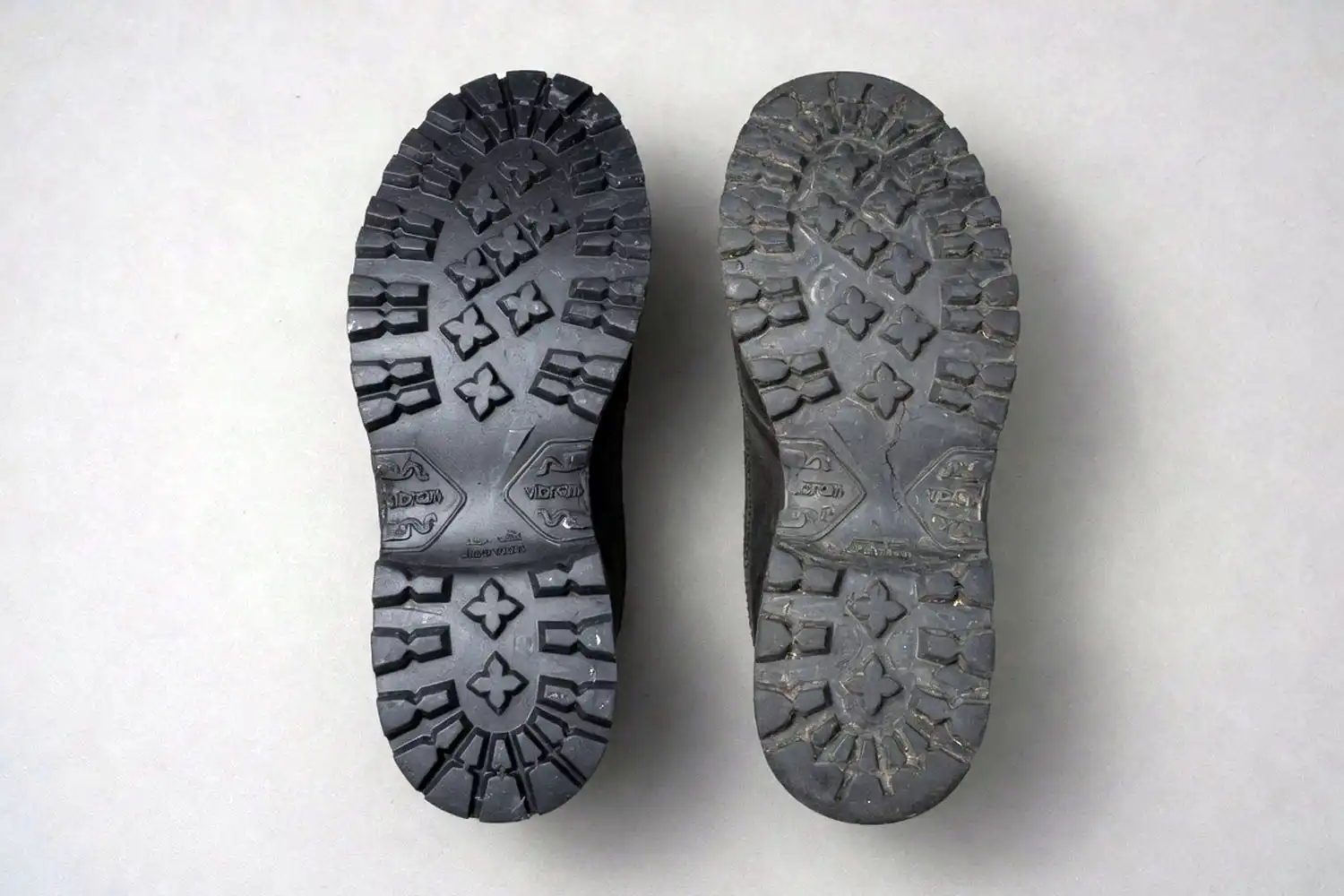
Lugs are flattened or smooth
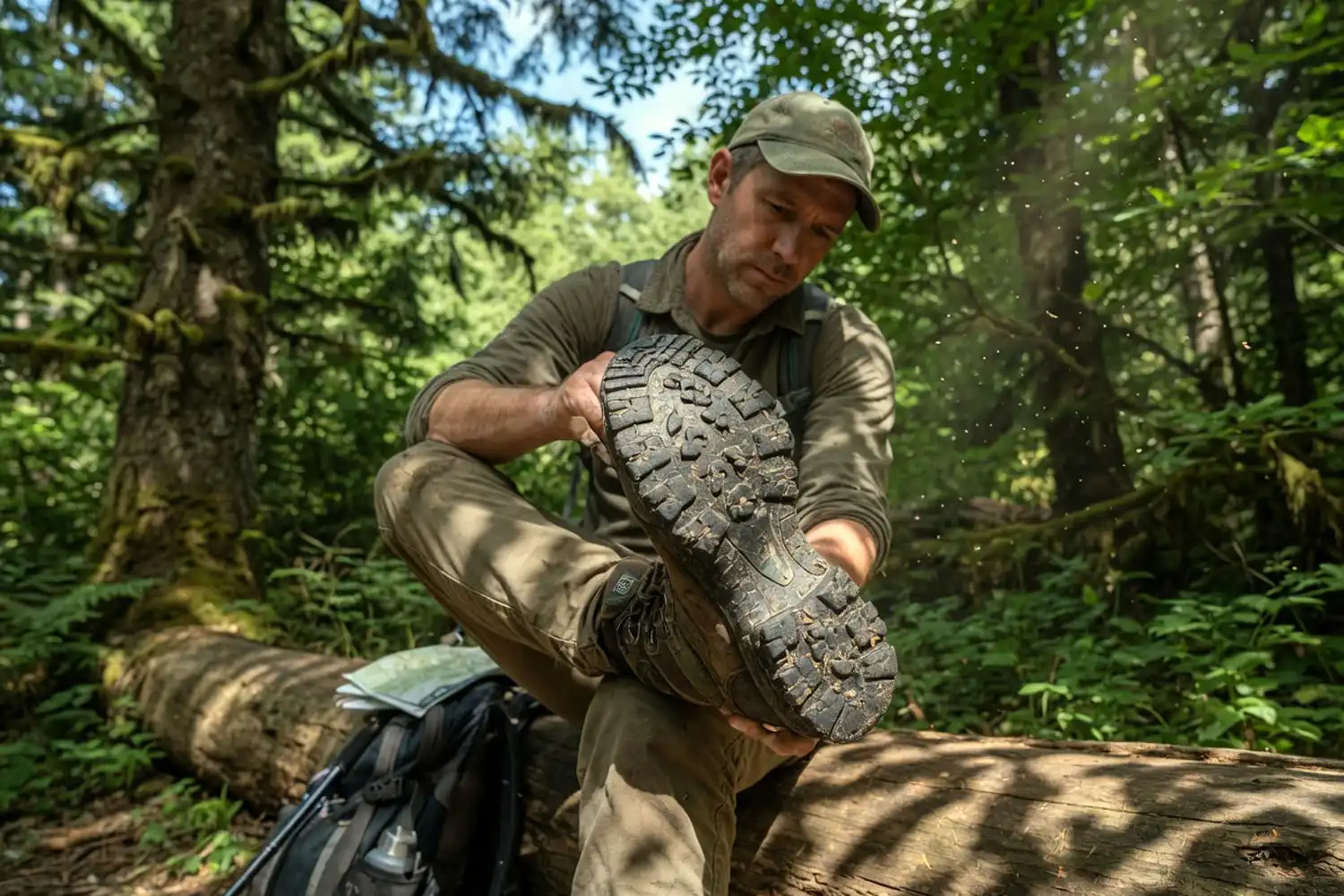
The rubber lugs on the outsole are the first to go. Once they wear down to less than half their original depth, traction drops sharply, especially on wet rock or loose dirt. Smooth-soled boots become genuinely risky on steep descents.
Midsole feels dead
Press your thumb into the foam between the upper and the outsole. New boots spring back quickly; worn boots stay compressed. Once the midsole feels flat, your feet absorb every impact, and knee pain often follows. If you already battle sore knees on descents, learning to reduce knee strain on downhill hikes helps, but the boots may still need replacing.
Cracks in the upper
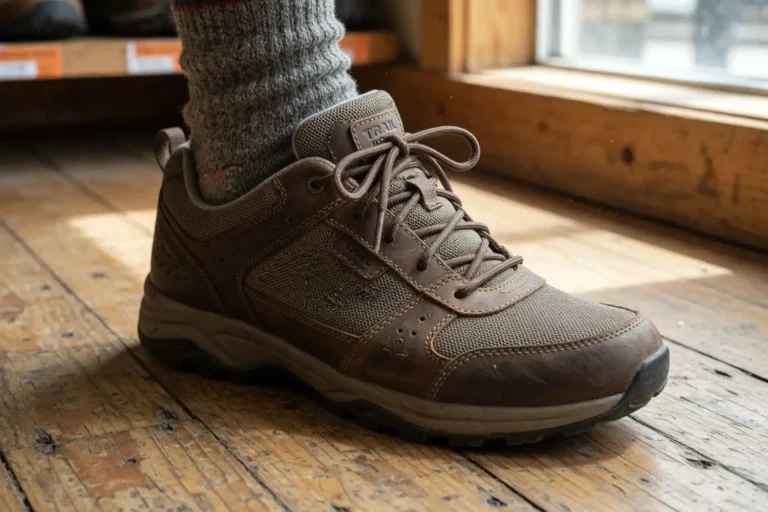
Cracks across the toe box flex points or along the side panels mean the upper has lost its structural integrity. Leather boots can sometimes be conditioned back to life, but deep cracks usually mean the boot is finished.
Waterproofing has failed
If your socks soak through on a wet trail and a fresh DWR treatment doesn’t fix it, the membrane or the leather has broken down. Once the inside stays damp for hours after a hike, you’re past the point of repair.
Hot spots and blisters return
When boots that used to fit perfectly start causing hot spots or blisters, the internal foam has likely compressed unevenly. This is a quiet sign many hikers miss. Good socks help too, and a pair of hiking socks made for blister prevention can buy you a little extra time, but they won’t fix a dying boot.
How to make hiking boots last longer
Good habits add hundreds of miles to a pair of hiking boots, and none of this takes much time.
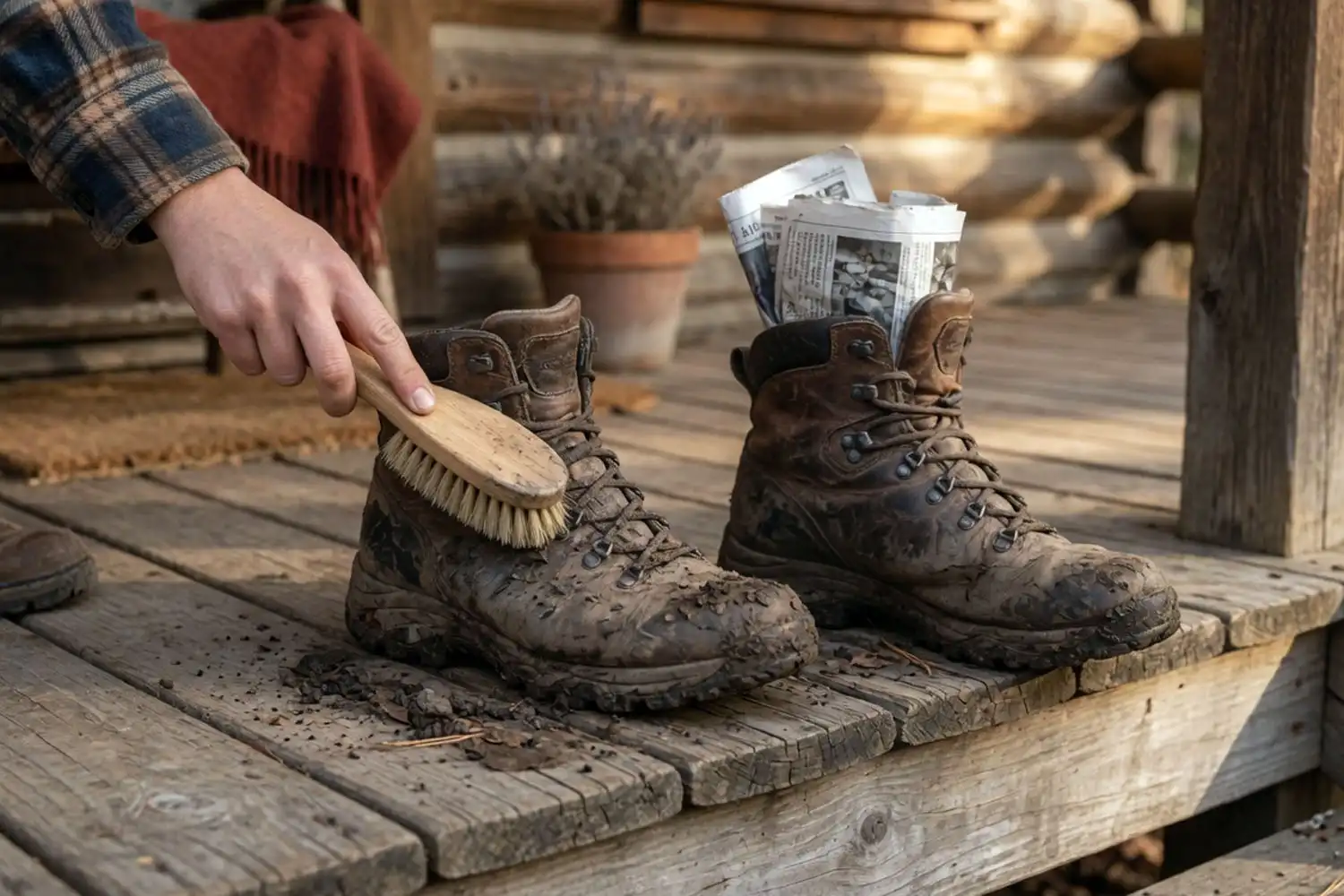
- Brush off dirt and mud after every hike. Caked mud holds moisture against the leather and the stitching.
- Dry boots slowly at room temperature, never near a fire or heater. Stuff them with newspaper to pull moisture out.
- Condition leather boots every 10 to 15 uses, depending on conditions.
- Reapply DWR or wax treatment once or twice a year.
- Rotate between two pairs if you hike often. Foam needs 24 to 48 hours to fully decompress between uses.
- Store boots in a cool, dry place, out of direct sunlight.
Also, breaking in a new pair the right way from day one extends their lifespan. Boots that fit well from the start wear evenly, while poorly broken-in boots wear in lopsided patterns that shorten the useful life of the sole and midsole.
Can you resole hiking boots?
Yes, you can resole quality hiking boots, and it’s one of the best ways to double their life. Brands like Lowa, Meindl, Scarpa, and Zamberlan offer factory resoling for stitched or Norwegian-welt boots. The cost usually runs between $90 and $160, depending on the model and the work needed.
Glued or cement-construction boots, which include most lightweight hikers and almost all cheaper models, cannot be resoled economically. So if you plan to hike often, paying more up front for a resoleable boot saves money over a decade.
Leather vs synthetic: which lasts longer?
Full-grain leather boots last longer than synthetic boots in most cases. Leather resists abrasion better, can be conditioned back to life, and supports heavier loads for longer. Synthetic boots dry faster and feel lighter, but the materials break down sooner under sun, sweat, and repeated flexing.
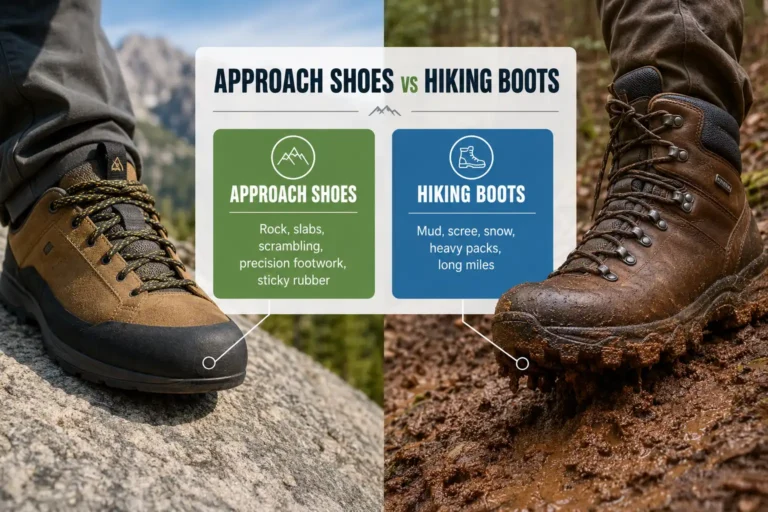
However, lightweight synthetic hikers suit fast-and-light trips, day hikes, and travel. If you mostly do short outings, a synthetic boot may serve you better even if it doesn’t last as many years. Choosing between styles also depends on what you carry and where you go, and reading through a side-by-side look at boots versus shoes for beginners helps if you’re still deciding.
FAQs on Hiking Boot Lifespan and Durability

Do hiking boots expire if I don't wear them?
How many miles before I should replace my hiking boots?
Can I hike with worn-out lugs?
Is it worth repairing old hiking boots?
Final thoughts
So, how long do hiking boots last? Plan on 500 to 1000 miles for most pairs, or roughly one to three years of regular use. Tough terrain, heavy loads, and poor care cut that short. Good cleaning habits, proper drying, and resoling stretch quality boots well beyond that range. Watch the lugs, the midsole, and the upper for warning signs, and replace boots before they start hurting your feet. Treat a good pair well, and they’ll carry you through many seasons of trails.