Camping Quilt vs Sleeping Bag: Which One Suits Your Trips?

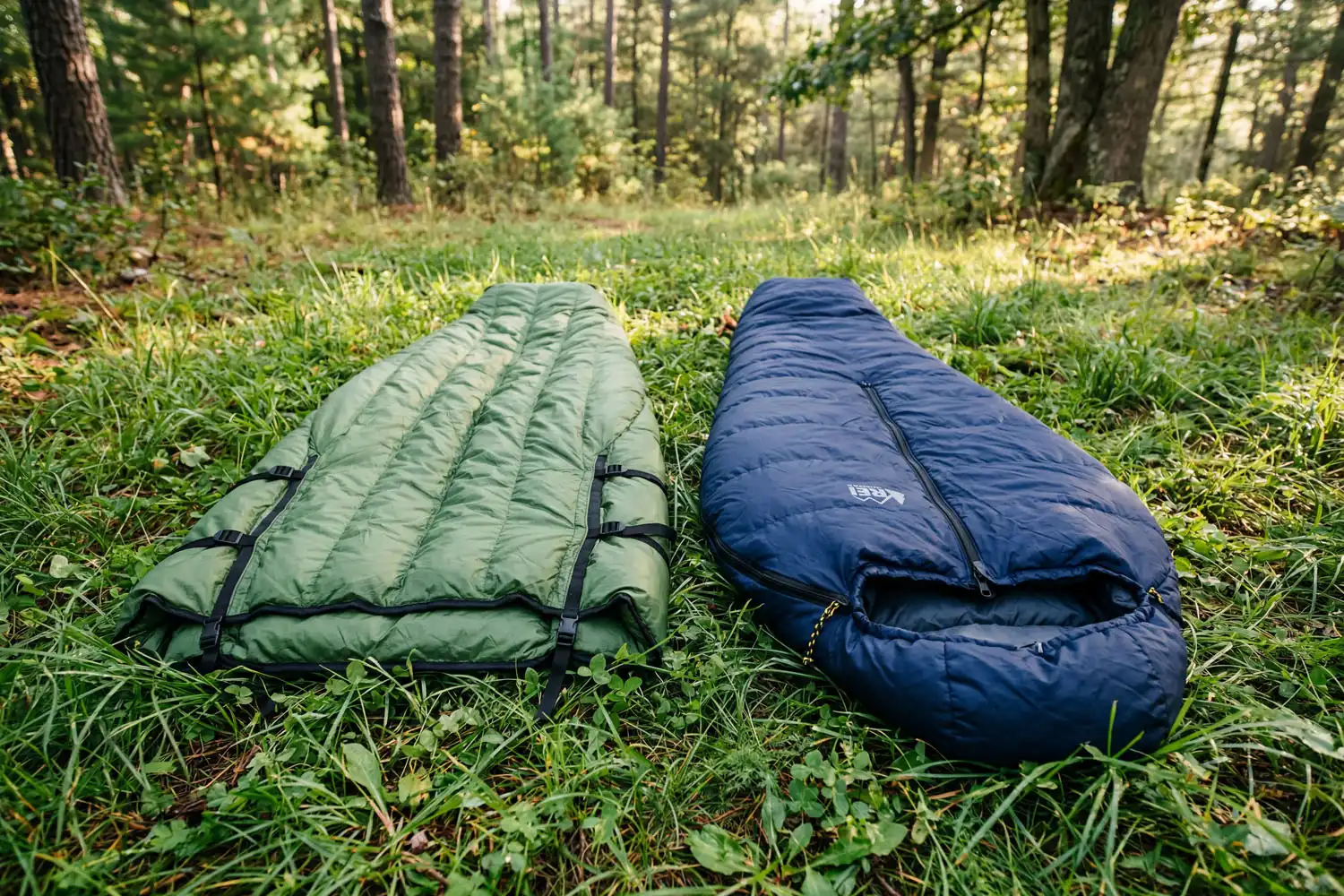
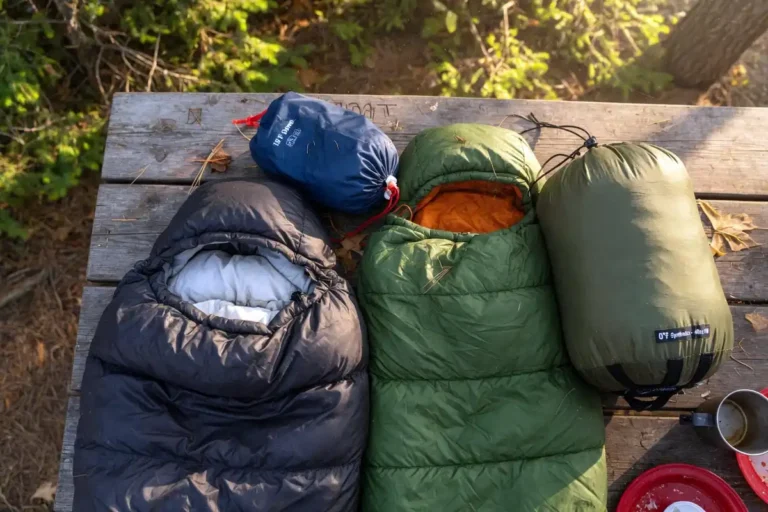
I get this question often from new campers who want to cut pack weight without freezing at night. The short answer? Both work well, but they shine in different conditions. A camping quilt feels like a sleeping bag with the back panel cut away. By contrast, a sleeping bag wraps fully around you, hood and all. The right pick depends on temperature, budget, how you sleep, and whether you camp from a car or carry everything on your back. Here’s the full breakdown based on years of hauling both into the Bandarban hills.
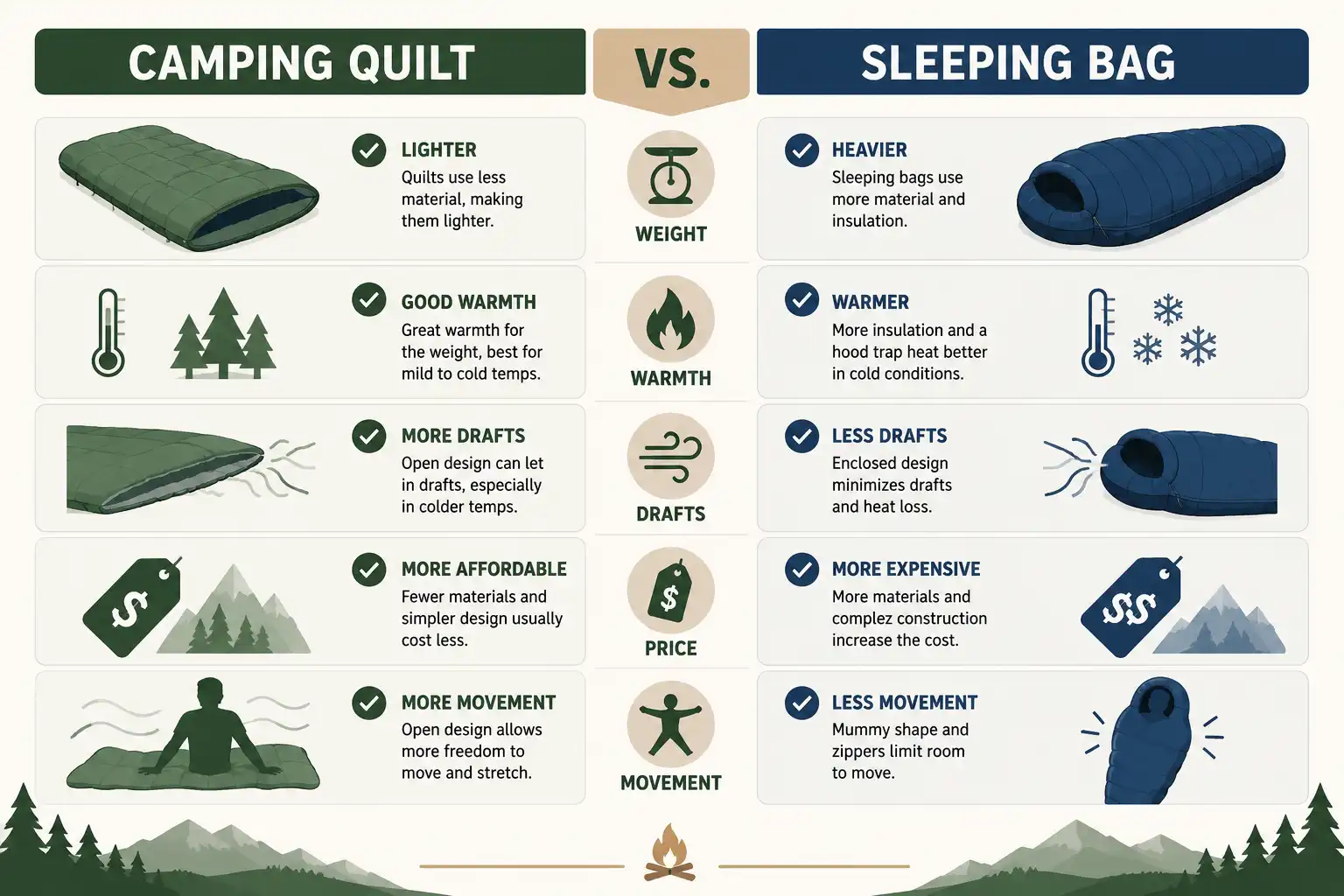
A camping quilt saves weight and packs smaller, so it works best for warm to mild backpacking trips. A sleeping bag offers more warmth and draft protection, so it suits cold weather or side sleepers who shift around. For trips above 40°F, quilts often win. For freezing nights, a sleeping bag remains the safer pick.
What is a camping quilt?
A camping quilt is a top-only insulated blanket designed to pair with a sleeping pad. The back has no insulation because the pad supplies warmth from below. Most quilts include footboxes (sometimes closed, sometimes adjustable) and straps that loop around the pad to seal out drafts.
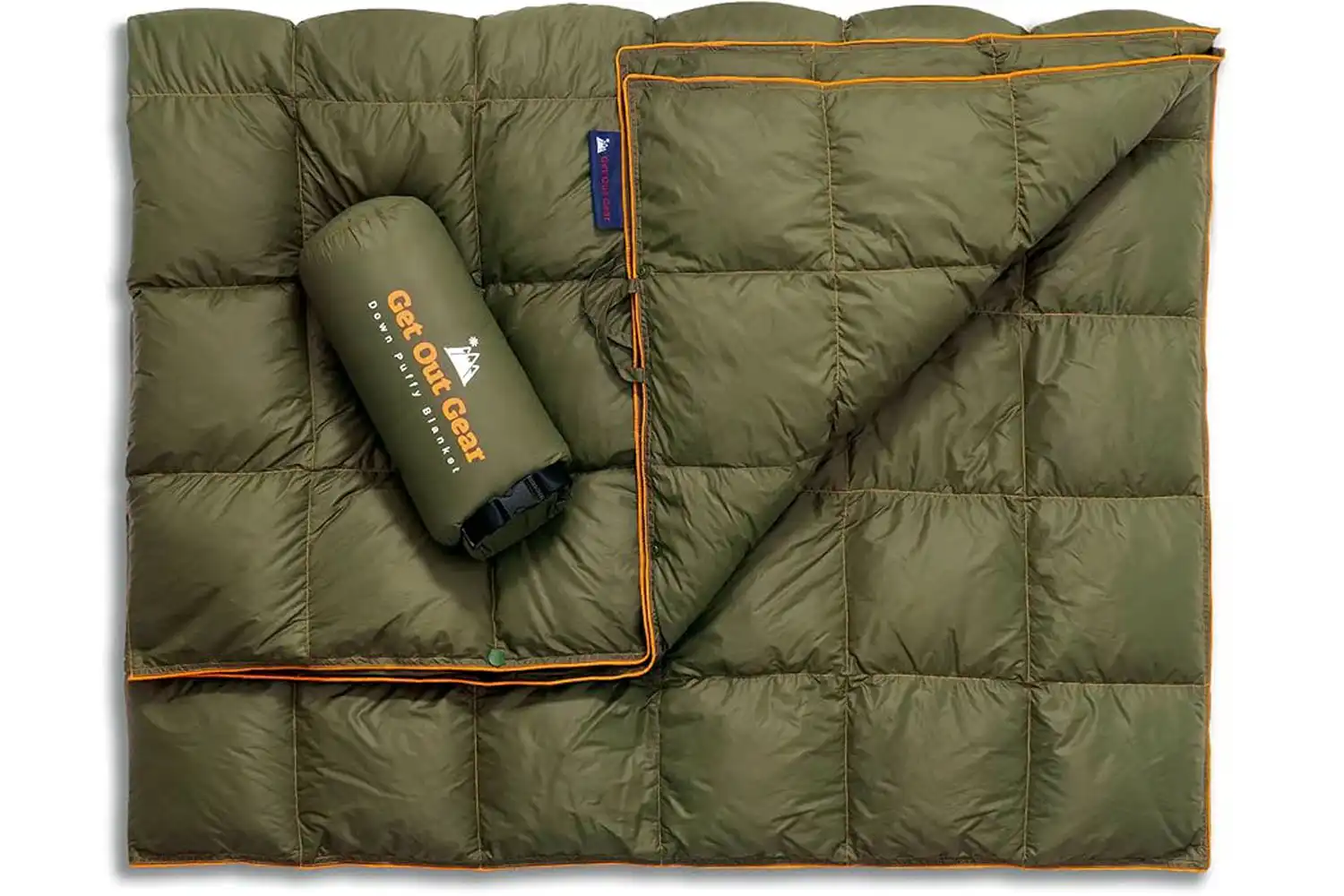
I started using a quilt on solo trips around Kaptai during warmer months. The weight savings stood out right away. My 20°F quilt weighs less than a comparable bag and stuffs into half the space.
What is a sleeping bag?
A sleeping bag is a fully enclosed insulated sleeping system with a zipper, hood, and draft tube. The shell wraps your entire body, trapping warm air against your skin. Mummy bags taper at the feet, while rectangular bags give more room but lose efficiency.
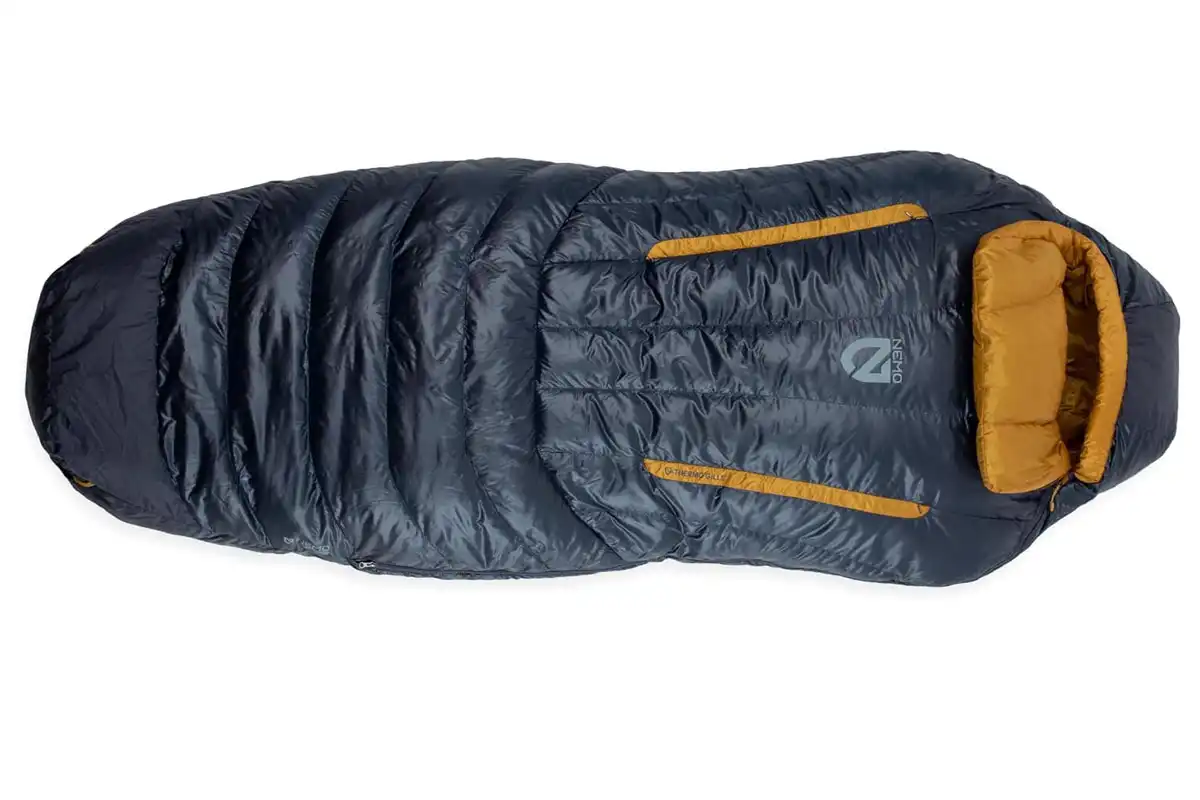
Sleeping bags rely on a simple principle: trapped air heated by your body becomes your insulation. If you want a deeper look at how insulation traps body heat, I covered that in another guide.
Camping quilt vs sleeping bag: quick comparison
| Feature | Camping Quilt | Sleeping Bag |
|---|---|---|
| Weight | Lighter | Heavier |
| Pack size | Smaller | Larger |
| Warmth | Good with pad | Excellent |
| Drafts | Possible | Minimal |
| Cost per ounce | Often higher | Wider range |
| Movement | Free | Restricted |
Which one is warmer?
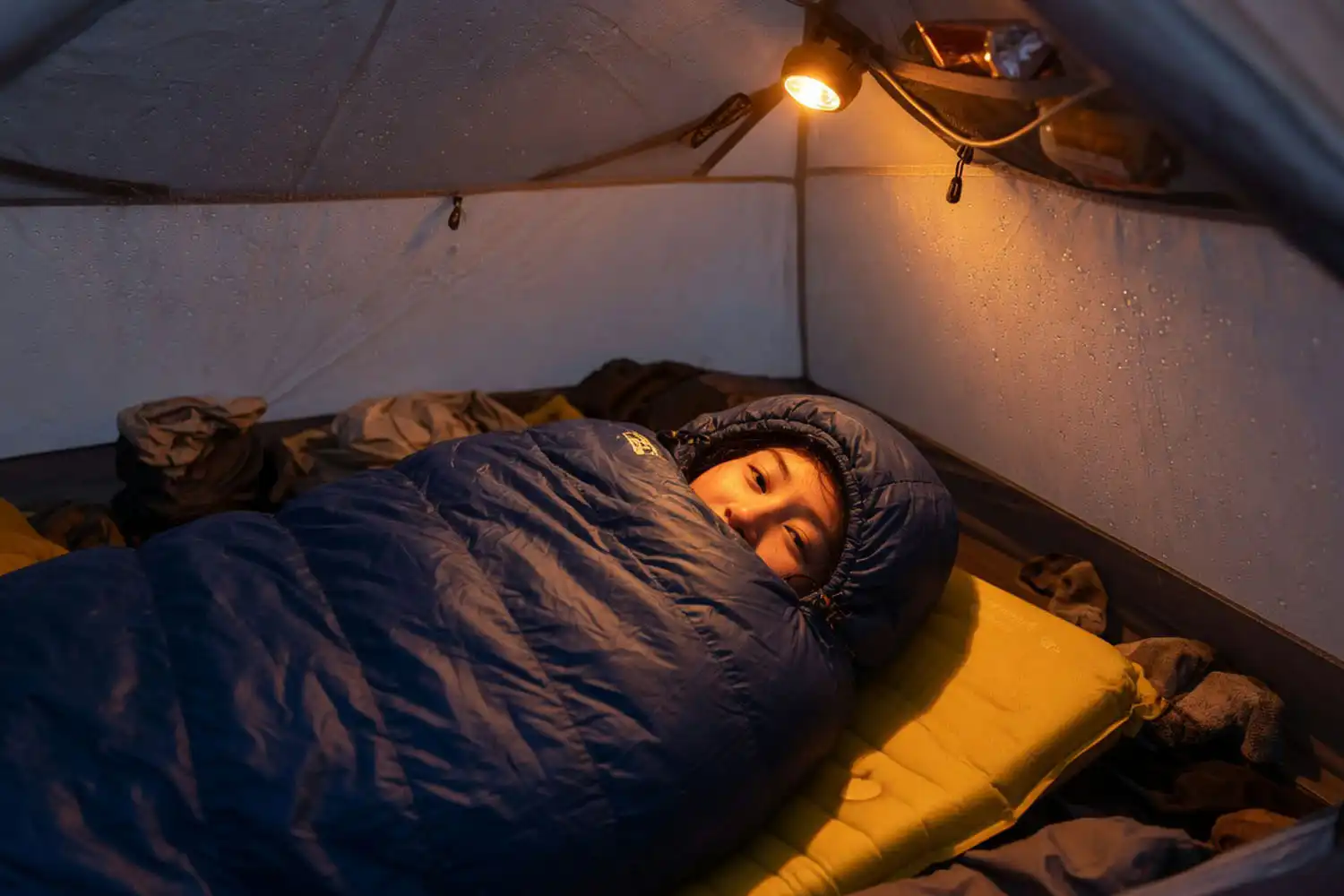
A sleeping bag is generally warmer at the same fill weight because it fully wraps you and includes a hood. Hoods matter more than most campers think. Your head loses heat fast, so a bag’s hood cinches around it and traps that warmth.
Quilts can match bag warmth in mild conditions, but only when paired with a high R-value pad and tucked properly. For cold nights, I still reach for my mummy bag.
Weight and pack size
Quilts win this category easily. By skipping the back panel and zipper, quilt makers cut weight by 20 to 30% for similar warmth ratings. My quilt rolls down to roughly the size of a small loaf of bread. A comparable bag takes up about twice the space.
For solo backpackers chasing every ounce, quilts make sense. If you want lightweight options for backpacking, that pack space matters on long trails.
Comfort and movement
A quilt lets you move freely. You can stick a leg out, roll over, or sleep on your side without twisting fabric around your body. Sleeping bags restrict that motion, especially mummy designs that taper toward the feet.
Side sleepers and restless sleepers often prefer quilts for this reason. However, restless sleepers in cold weather may also create drafts by shifting around inside a quilt.
Drafts and cold spots
Sleeping bags handle drafts better. The zipper baffle, hood cinch, and full enclosure seal warm air in. Quilts depend on strap systems to hug the pad’s edges. If straps loosen or shift, cold air sneaks in along your hip or shoulder.
I learned this the hard way on a cool night above Keokradong. After waking up cold at 2 AM, I cinched the straps tighter and the issue stopped. Still, no quilt fully matches a zipped mummy bag for sealing drafts.
Sleeping pad pairing matters more for quilts
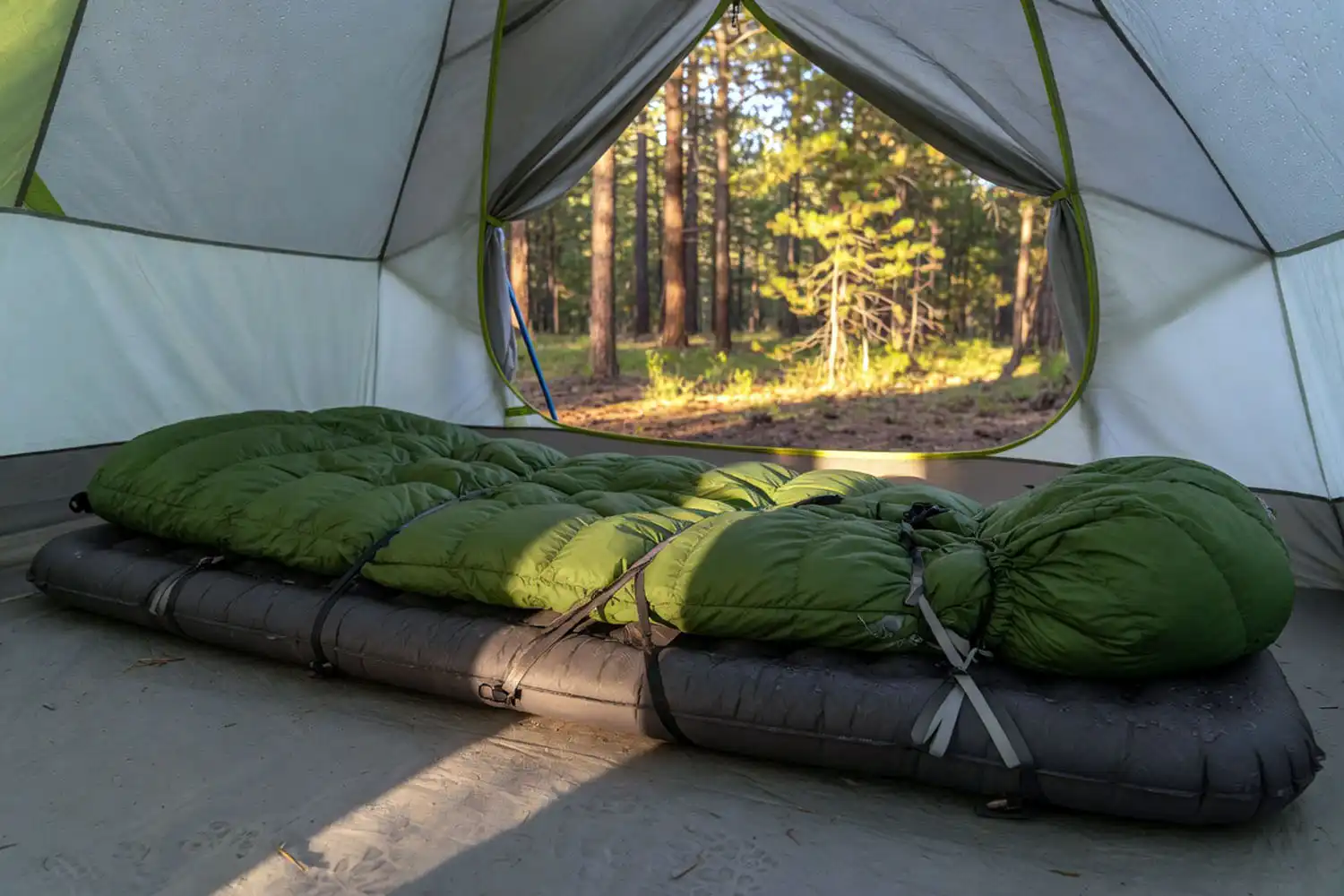
Your sleeping pad does half the work with a quilt. Because the quilt has no back insulation, the pad’s R-value sets how warm you sleep from below. For cool weather quilt use, aim for an R-value of 4 or higher.
A self-inflating foam pad usually does the job in mild conditions. If you want to understand how a self-inflating pad performs at different temperatures, that guide breaks it down.
Price comparison
Quilts often cost more per ounce than sleeping bags because most come from cottage brands using premium down. Entry-level sleeping bags start around $50 to $80 for synthetic models. Quality down quilts usually start near $200 and climb past $400.
That said, a $250 quilt may outperform a $250 bag in warmth-to-weight ratio. Budget matters, but so does total trip use over the years.
When to choose a camping quilt
Pick a quilt if:
- You backpack and count every ounce.
- You sleep hot or move a lot at night.
- Your trips stay above 30 to 35°F most nights.
- You already own a quality pad with good R-value.
When to choose a sleeping bag
Pick a bag if:
- You camp in cold or unpredictable weather.
- You’re new to camping and want simple, reliable warmth.
- You car camp and weight does not matter.
- You want one piece of gear that works without a pad in an emergency.
For deeper cold-weather sleep tips, my notes on staying warmer in your bag at night cover layering and pad pairing.
My personal pick
I own both. Honestly, my choice depends on the trip. For warm-season hikes in the Bandarban region, the quilt comes along every time. In winter or anything above 2,500 meters, the sleeping bag stays in the pack. Carrying both is overkill, so think about your typical conditions before buying.
If you carry either system on your back, strapping a sleep system to a pack the right way keeps weight balanced and your spine happy.
FAQs on Camping Quilt vs Sleeping Bag

Can you use a camping quilt in cold weather?
Is a quilt warmer than a sleeping bag of the same rating?
Do you need a sleeping pad with a quilt?
Final thoughts
Both sleep systems do the job, but each suits different conditions. Pick a quilt for warm-weather backpacking, weight savings, and freedom to move. Go with a sleeping bag for cold nights, simple warmth, and draft protection. After dozens of nights in tents from Kaptai to Keokradong, I keep both in the gear closet and grab whichever matches the forecast. Start with the conditions you camp in most often, and the right choice usually picks itself.