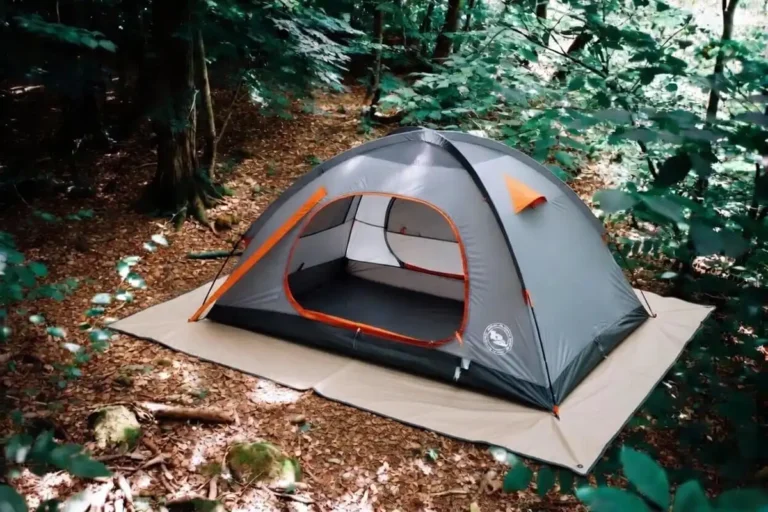
What Does Primitive Camping Mean? Camp With No Facilities Safely

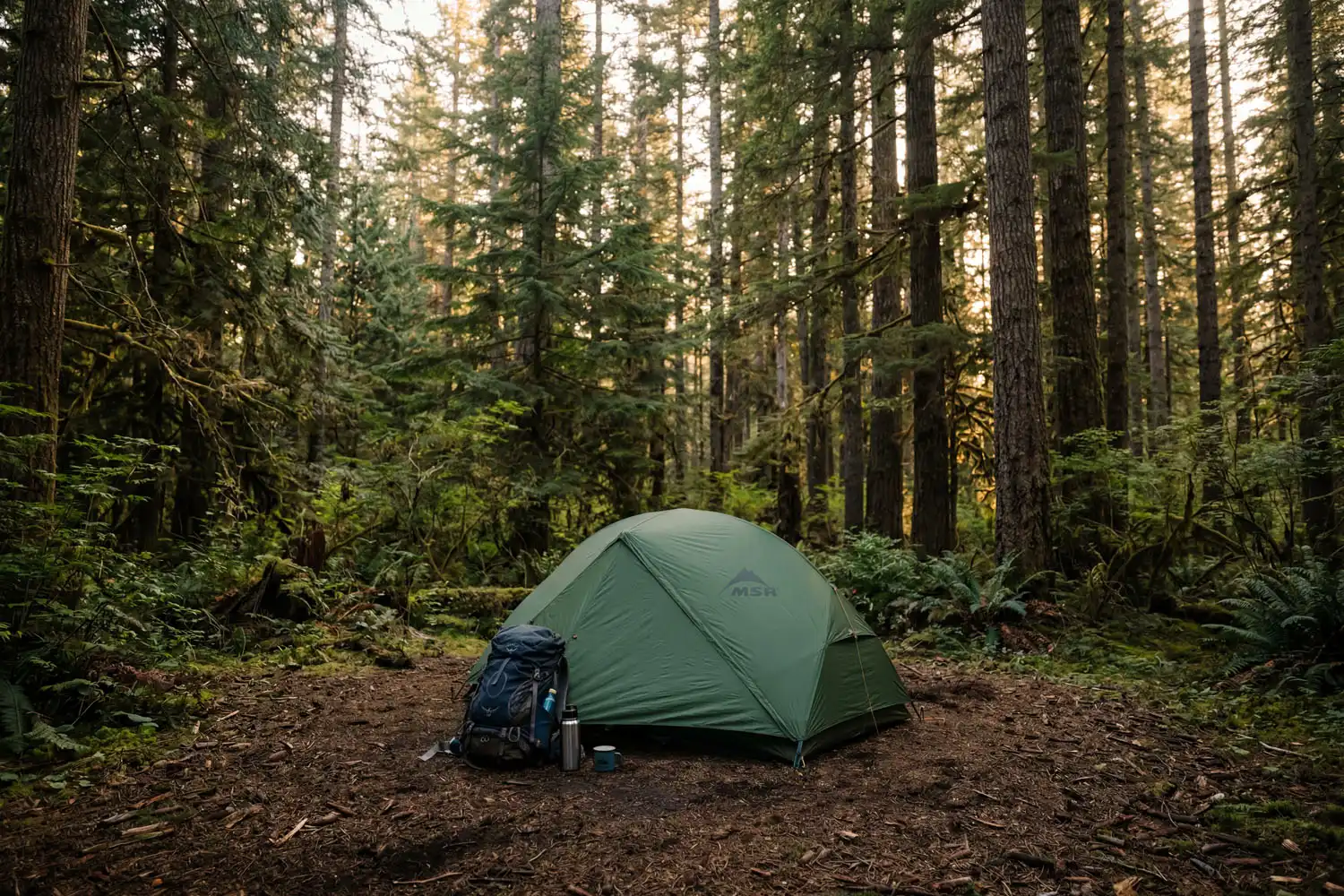
Primitive camping means staying overnight in a remote area with no built facilities, no hookups, and no developed services. You set up your own shelter, manage your own water, and pack out your own waste. In this guide, I want to walk you through what primitive camping actually involves, how it differs from a regular campground, what gear you need, and how to do it safely. After years of camping in the Bandarban hills and around Kaptai, this style is still my favorite way to sleep outside.
What is primitive camping in simple terms?
Primitive camping means sleeping outdoors at a site with no developed amenities. There are no flush toilets, no running water, no electricity, no picnic tables, and no on-site host. You rely entirely on the gear you bring and the skills you have. Some land agencies also call this “dispersed camping,” and the U.S. Forest Service permits it across much of the national forest system as long as you follow the basic rules.
The appeal is simple. You get quiet, real darkness, and a closer feel to the land. However, the trade-off is real too: everything you need has to come in with you, and everything you produce has to come out with you.
What are the key features of a primitive campsite?
A primitive campsite has almost no infrastructure. Here is what you should expect on the ground:
- No restrooms. You dig a cathole 6 to 8 inches deep, at least 200 feet from any water source.
- No water tap. You either carry water in or treat what you find.
- No trash service. Whatever you bring in, you carry out.
- No designated tent pad. You pick the flattest, most durable surface available.
- No electricity, no cell signal in most spots, and no attendant nearby.
- Sometimes no fire ring, and in many areas open fires are seasonally banned.
Because of these conditions, you must plan harder before you leave home. I always double-check water sources on a topo map and confirm with the managing land office whether fires are allowed that week.
Primitive camping vs other types of camping
Primitive vs developed campground
A developed campground has marked sites, water spigots, vault or flush toilets, fire rings, and usually a host. Primitive camping has none of that. If you are weighing the two styles, this breakdown of the difference between a developed campground and a backcountry site helps a lot, because it shows what kind of effort each one takes.
Primitive vs backcountry and dispersed
Primitive, backcountry, and dispersed camping overlap, but they are not identical.
- Dispersed camping usually means camping anywhere on public land outside a developed campground, often along forest roads.
- Backcountry camping means hiking into a remote area, sometimes by permit, and camping away from roads.
- Primitive camping is the umbrella term that covers both, plus any rough site with no facilities.
So all backcountry sites are primitive, but not all primitive sites are deep backcountry. A primitive site can also sit fifty feet from your car on a forest service road.
What gear do you need for primitive camping?
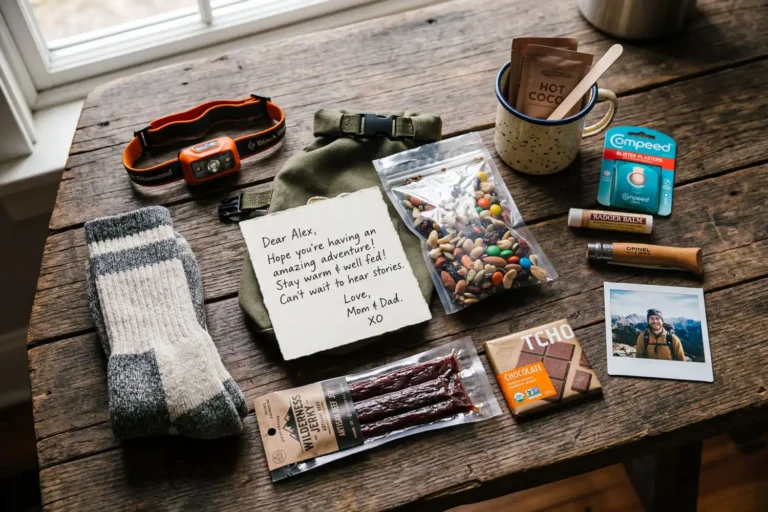
You need self-sufficient gear because no one is restocking anything for you. Here is the core kit I bring for a one or two night primitive trip:
- A tent or tarp shelter sized for your group
- A sleeping bag rated for the lowest expected temperature
- A sleeping pad
- A water filter or purification tablets, plus 2 to 3 liters of carry water per person
- A stove and fuel, since fire bans are common
- A headlamp with fresh batteries
- A first aid kit
- Navigation tools, including a map and compass, plus a GPS or phone with offline maps
- A trowel for catholes, plus zip bags for packing out toilet paper
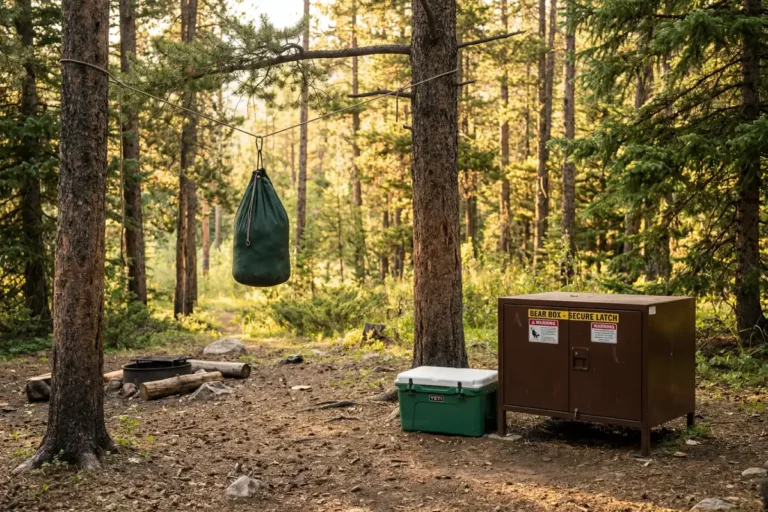
- A bear-resistant food container or a proper hang setup, depending on the region
If you are new to this, the gear list inside my guide to planning your first solo overnight trip is a strong starting point, because it forces you to think through every category before you leave.
How do you find a primitive campsite?
You find primitive sites mainly on public land managed by federal or state agencies. In the United States, the National Forests and Bureau of Land Management areas allow dispersed camping in most zones. National Parks usually require a backcountry permit instead. State forests vary widely, so always check the specific agency website. The U.S. Forest Service dispersed camping page lays out the federal rules clearly.
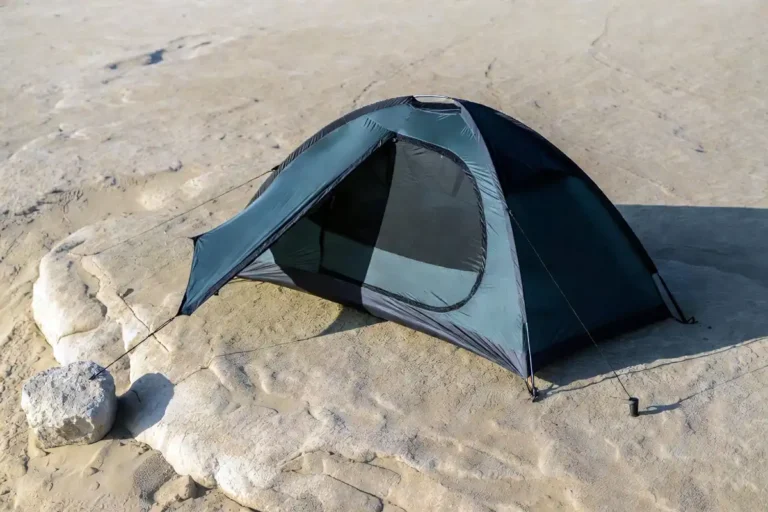
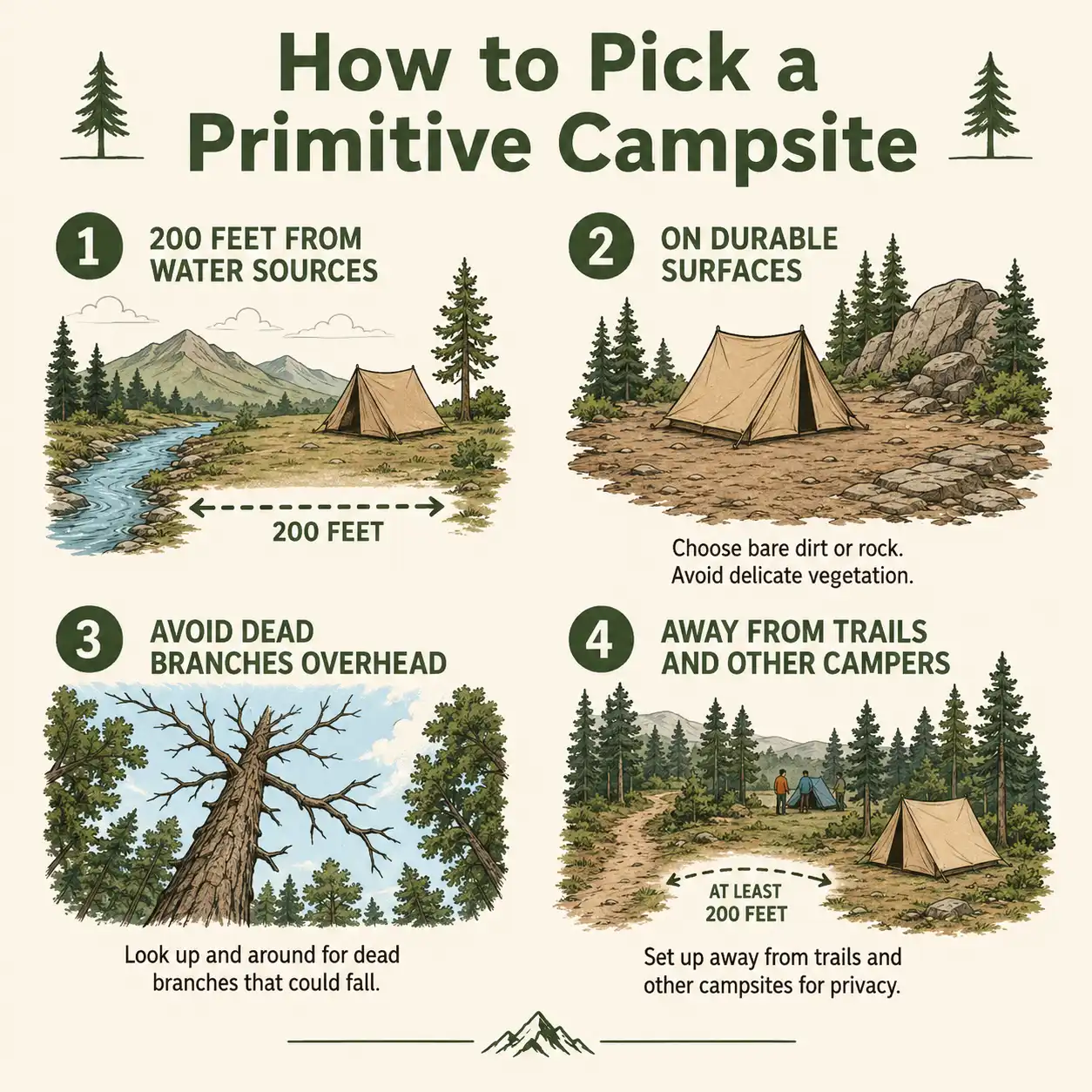
Once you reach the general area, pick a spot that is at least 200 feet from any water source, on durable ground like dirt, rock, or pine duff. Avoid meadows and fragile vegetation. Look up for dead branches that could fall. Then look down for ant nests, rocks, and roots. If the ground is rough, the techniques in my guide to pitching a tent on rocky or sandy ground will save you a miserable night.
Safety tips for primitive camping
Safety on a primitive site comes down to preparation, water, food storage, and communication.
First, tell someone exactly where you are going and when you will be back. Cell service is often gone the moment you leave the highway.
Second, treat all wild water. Streams that look clean can still carry giardia and other pathogens. Filtering or boiling is non-negotiable.
Third, store food correctly. In bear country, use a canister or a proper hang. Even outside bear country, raccoons, mice, and ravens will tear through a tent for snacks. Solid methods to store food safely at camp make a real difference here.
Finally, know what to do if things go wrong. A sudden storm, a twisted ankle, or a wrong turn can shift the trip fast. Skills like signaling for help in remote terrain are quick to learn and worth practicing before you actually need them.
Leave No Trace at a primitive site
You must leave the site cleaner than you found it. So pack out every wrapper, every twist tie, and every piece of toilet paper. Bury human waste in a cathole 6 to 8 inches deep, at least 200 feet from water, trails, and camp. Use only dead and down wood for fires where fires are allowed, and burn it to white ash. Also, do not build new fire rings, do not carve trees, and do not trench around your tent.
I learned this the hard way on an early trip near Nafakhum. We left a fire ring we thought was tidy. Coming back a year later, I saw four more rings nearby, all started by people copying ours. One careless choice multiplies.
Is primitive camping right for you?
Primitive camping suits people who want quiet, self-reliance, and a stripped-down night outside. However, it does not suit anyone who needs running water, a clean bathroom, or a charged phone overnight. So start small. Try one night within a short walk of your car. See how your sleep system holds up, how your water lasts, and how you handle the dark.
Once you have a few nights under your belt, longer primitive trips feel natural. You learn to pack lighter, choose better sites, and read weather more accurately. The reward is sleeping somewhere most people never see, with only what you carried in.
Conclusion
Primitive camping means no facilities, no shortcuts, and no one to bail you out. You bring everything, manage everything, and pack everything out. Done right, it is the most honest version of being outside. Start with one easy night close to home, build your skills slowly, respect the land, and the rest opens up from there.