Difference Between Hiking and Walking: What Really Sets Them Apart


A lot of people use the words hiking and walking like they mean the same thing. They don’t. After years of trekking the Bandarban hills back home and helping new campers get started, I get this question often. So here is a clear breakdown of what actually separates the two, why it matters, and how to know which activity fits your day, your fitness, and your goals.
Hiking takes you on natural, uneven trails through forests, hills, or mountains, while walking happens on flat, predictable surfaces like sidewalks, parks, or treadmills. Hiking demands more effort, gear, and planning. Walking needs almost none. That single difference shapes everything else, from your shoes to your calorie burn.
Know more: What muscles does hiking use
What counts as walking?
Walking is any low-intensity foot travel on stable, even ground. Think of a morning loop around your neighborhood, a stroll through a city park, or a steady mile on a paved path. The pace stays comfortable. Your heart rate stays mild, and you can chat the whole way without breathing hard.
Most adults walk at around 3 to 4 miles per hour on flat ground. Because the surface is predictable, you don’t think about footing. Instead, your mind drifts, you call a friend, or you just enjoy the air. Walking fits into daily life with almost no preparation.
What counts as hiking?
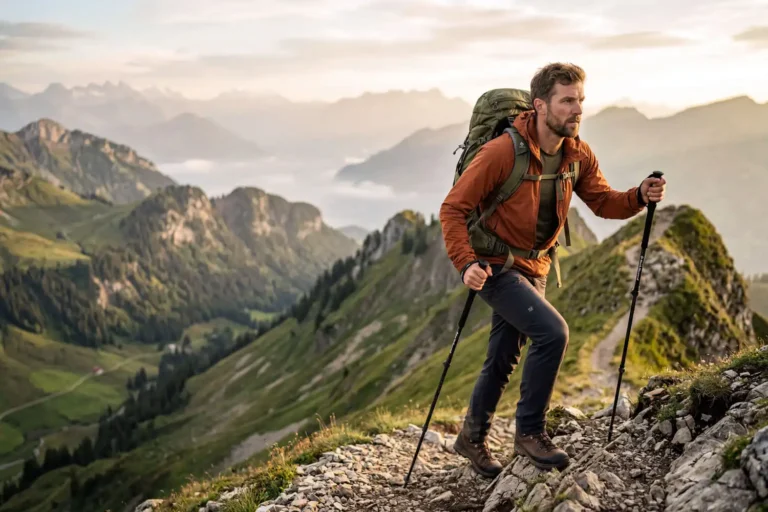
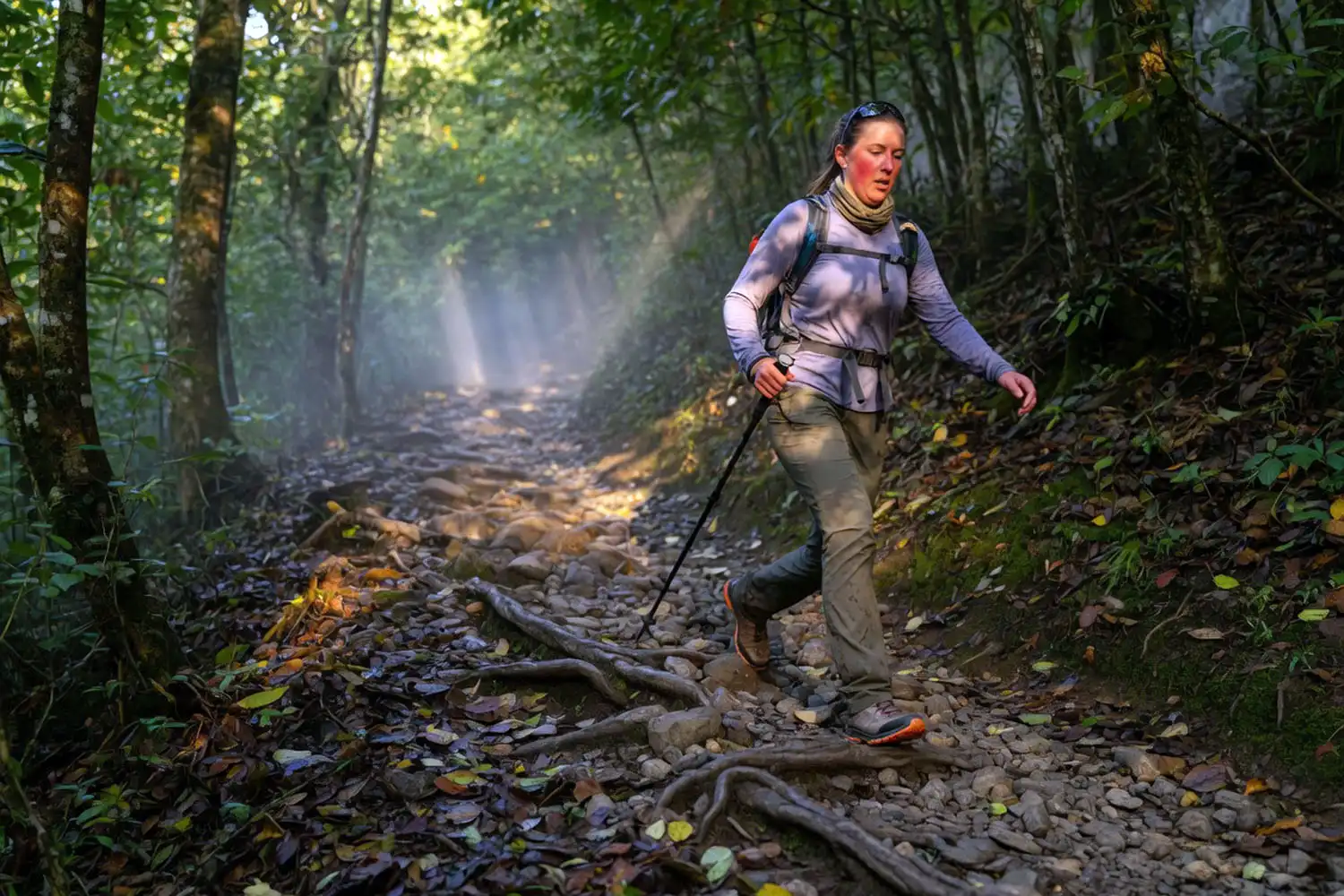
Hiking is foot travel on natural terrain that demands attention, effort, and usually more time. Trails twist through forests, climb hills, cross streams, and drop into ravines. Loose rocks, mud, tree roots, and elevation changes are normal. Therefore, every step takes a small calculation that walking never asks of you.
Hikes range from one-hour nature loops to multi-day backcountry routes. A real hike usually means a trailhead, a marked path, and surroundings that feel removed from the city. When I trek to Nafakhum waterfall, the trail flips between river crossings, slick rocks, and steep climbs. That’s hiking. A flat 2-mile loop around a lakeside park is not.
How terrain changes everything
Terrain is the single biggest factor that separates the two activities. On a sidewalk, every step lands the same. On a mountain trail, no two steps are identical. As a result, your body works harder to balance, your ankles flex more, and your brain stays alert.
Uneven ground also recruits stabilizer muscles in your legs, hips, and core that flat walking barely touches. So even a short hike often leaves you sorer than a long walk. If you want to understand how slope and altitude affect your effort, my guide on what counts as significant elevation gain breaks the numbers down clearly.
Calories burned: hiking vs walking
Hiking burns roughly 30 to 60 percent more calories per hour than walking at a similar pace, mainly because of elevation and uneven footing. A 160-pound person walking at 3 mph burns around 250 to 300 calories an hour. The same person hiking a moderate trail with hills burns closer to 400 to 500 calories.
Steeper trails push that number higher. Add a loaded backpack and the burn climbs again. However, the calorie gap shrinks if your hike is flat and your walk is brisk. Effort and terrain matter more than the label you use.
Gear differences you’ll actually feel
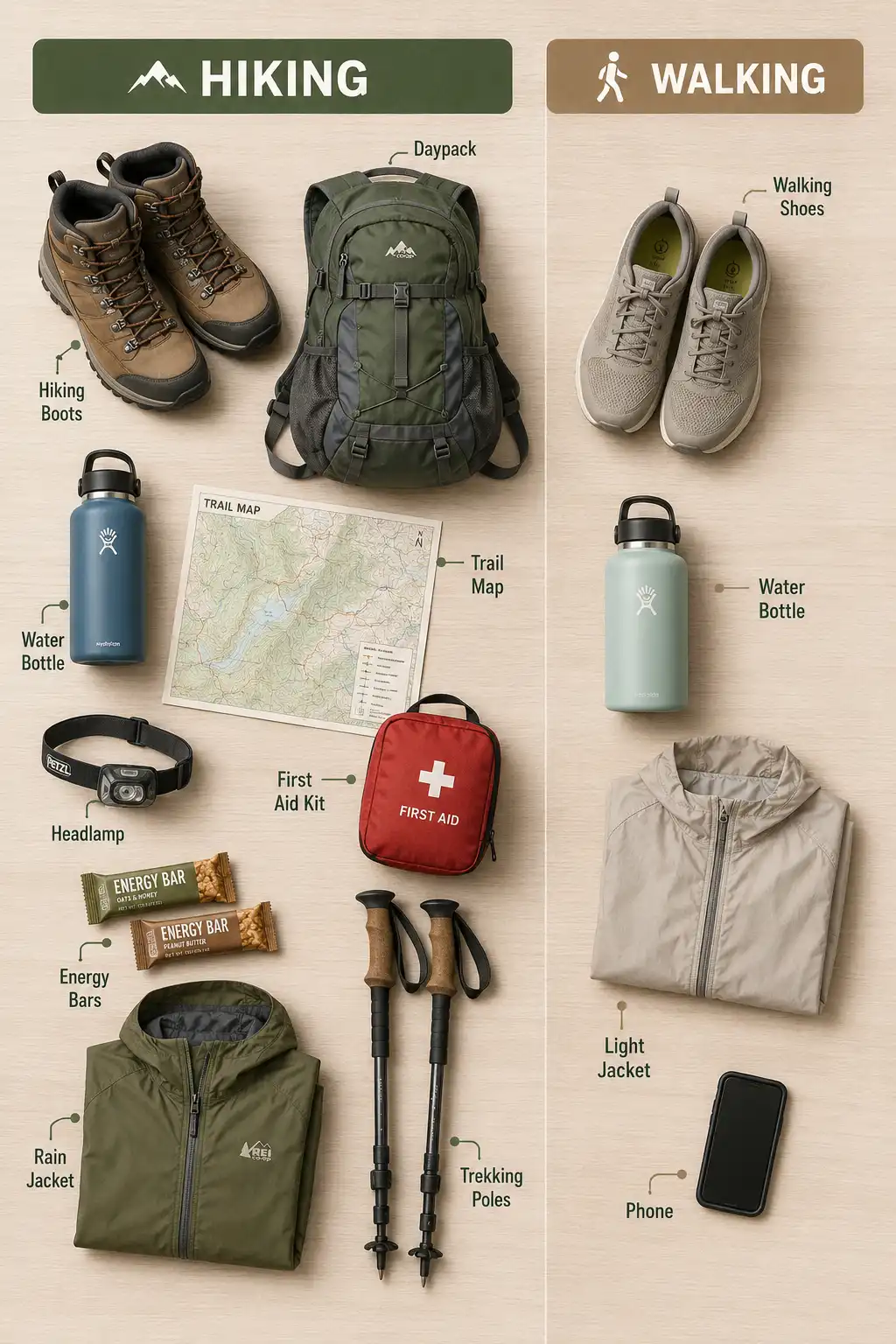
Walking needs almost nothing. A pair of comfortable shoes, weather-appropriate clothing, and maybe a water bottle. That’s it. You can walk in jeans and sneakers without thinking twice.
Hiking demands more thought. A typical day hike kit includes sturdy footwear, moisture-wicking layers, a daypack, water, snacks, a map or GPS, and basic first aid. Longer hikes add rain gear, headlamps, navigation tools, and extra food. If your shoulders ache after a few hours on the trail, the way you load your pack to keep your shoulders comfortable matters more than the pack itself.
Footwear: where the gap shows up most
Footwear is where most beginners get tripped up. Walking shoes are light, flexible, and cushioned for paved surfaces. They flex easily and prioritize comfort over support. Hiking shoes and boots, on the other hand, are stiffer, grippier, and shaped to protect your feet from rocks, roots, and side-loading on slopes.
Wearing walking shoes on a real trail invites blisters, twisted ankles, and a bruised arch by lunchtime. Meanwhile, wearing heavy hiking boots on a flat city stroll feels clunky and overheats your feet. For new hikers still figuring out the right pair, my breakdown on choosing between hiking boots and trail shoes spells out when each one works best.
Physical demand and pace
Hiking pushes your cardiovascular system, leg strength, balance, and endurance all at once. Walking mostly works your cardiovascular system at a low level. Therefore, a mile of hiking with elevation can feel like two or three miles of flat ground.
Pace tells the same story. Average walking pace is 3 to 4 mph. Average hiking pace, after accounting for elevation and rough trail, often drops to 2 mph or less. Hiking 10 miles in a day takes serious effort, while walking 10 miles on flat ground is doable for most people with a little training. For a fair gauge of how far you can cover, my piece on safe daily hiking mileage gives you a useful range. Pacing matters even more on hills, so learning to pace yourself on long climbs prevents the burnout that ends so many beginner hikes early.
Safety and planning
Walking carries almost no risk. You stay close to home, on known streets, with help a phone call away. Hiking carries real risk because you go further, the terrain is unpredictable, weather can shift fast, and cell service often disappears. As a result, hikes need at least a basic plan.
Before any hike, I check the trail length, elevation, weather, and I tell someone where I’m going. Even for a short trail, a small bit of planning before a day hike helps you avoid the most common mistakes that strand hikers.
Health benefits compared
Both activities improve heart health, mood, sleep, and longevity. Walking is gentler, easier to do daily, and friendlier to joints. Hiking, in addition, builds strength, balance, and a stronger mental boost from natural surroundings.
Research consistently shows time in nature lowers stress hormones and improves focus. So if mental reset is your goal, even a short hike on a wooded trail often beats a longer urban walk. For pure consistency and joint-friendliness over years, walking wins. Both are great. They just deliver slightly different gifts.

Which one should you choose?
Pick walking when you want daily movement, low effort, and zero planning. Pick hiking when you want a workout, a fresh challenge, scenery, and a real break from the noise of city life. Many of us do both. I walk every morning at home and hike whenever I get into the hills.
If you’re new and want to move from walking to hiking, start with short, well-marked trails near you. Build up slowly. Your feet, your lungs, and your sense of direction all need time to adjust.
FAQs on Hiking Vs Walking

Is hiking just long walking?
Can walking shoes work for easy hikes?
Does hiking count as cardio?
How do I know if a trail is a real hike?
The bottom line
The gap between hiking and walking comes down to terrain, effort, gear, and intent. Walking keeps your body moving with minimal fuss. Hiking takes you further, works you harder, and rewards you with views and quiet that no neighborhood loop can match. Once you know the difference, picking the right one for the day becomes easy. And once you start hiking regularly, you’ll likely find yourself doing more of both.