Is Hiking Good for Weight Loss? What I Learned on Trails

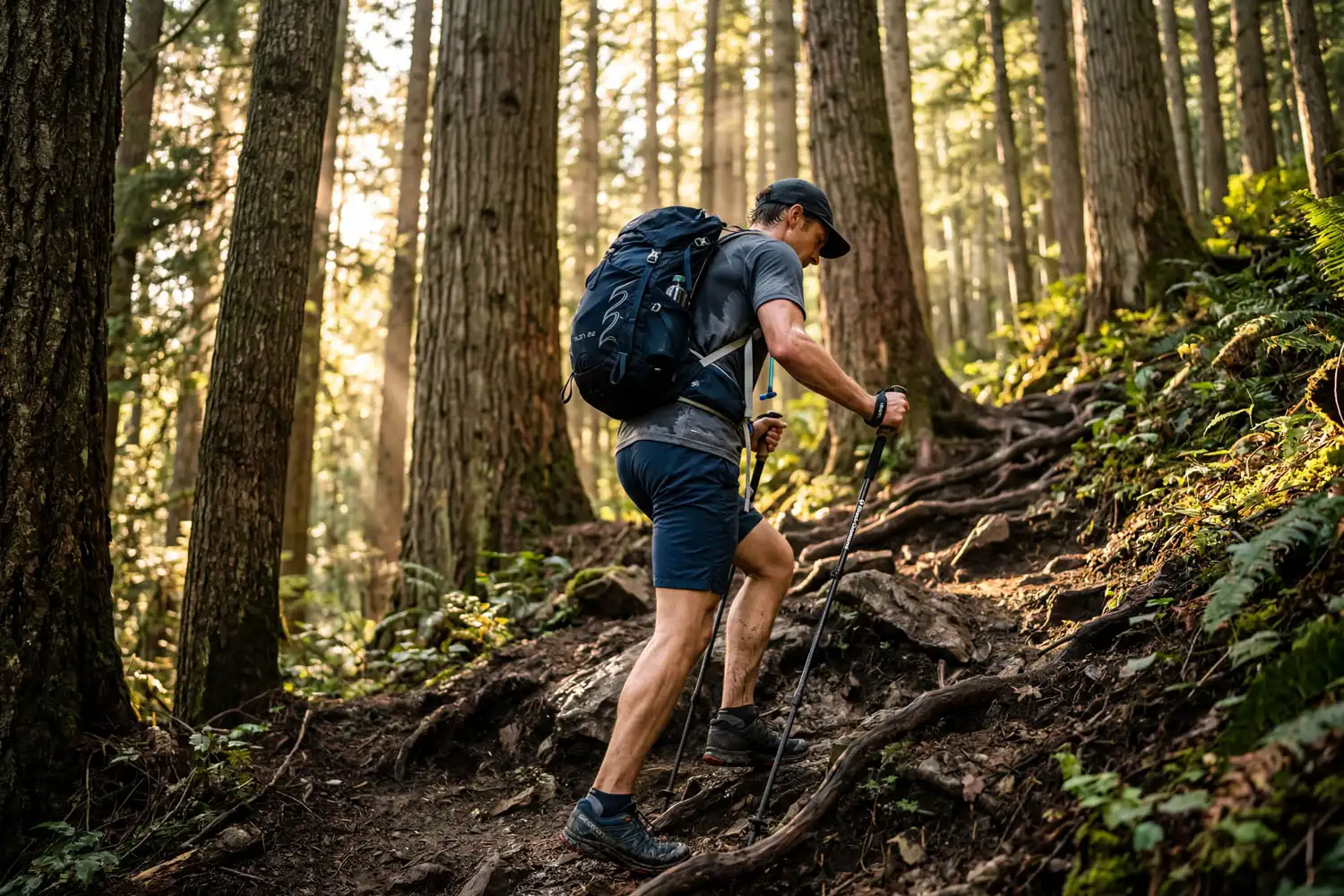
Yes, hiking burns serious calories and helps you lose weight, but only if you do it right. I get this question a lot from friends who want a way to drop fat without grinding through gym sessions. After years on the trails of Bandarban and around Kaptai Lake, I can tell you hiking works, but the results depend on pace, terrain, frequency, and what you eat afterward. This guide breaks down how many calories hiking burns, why it beats flat walking, and how to set up a hiking routine that actually moves the scale.

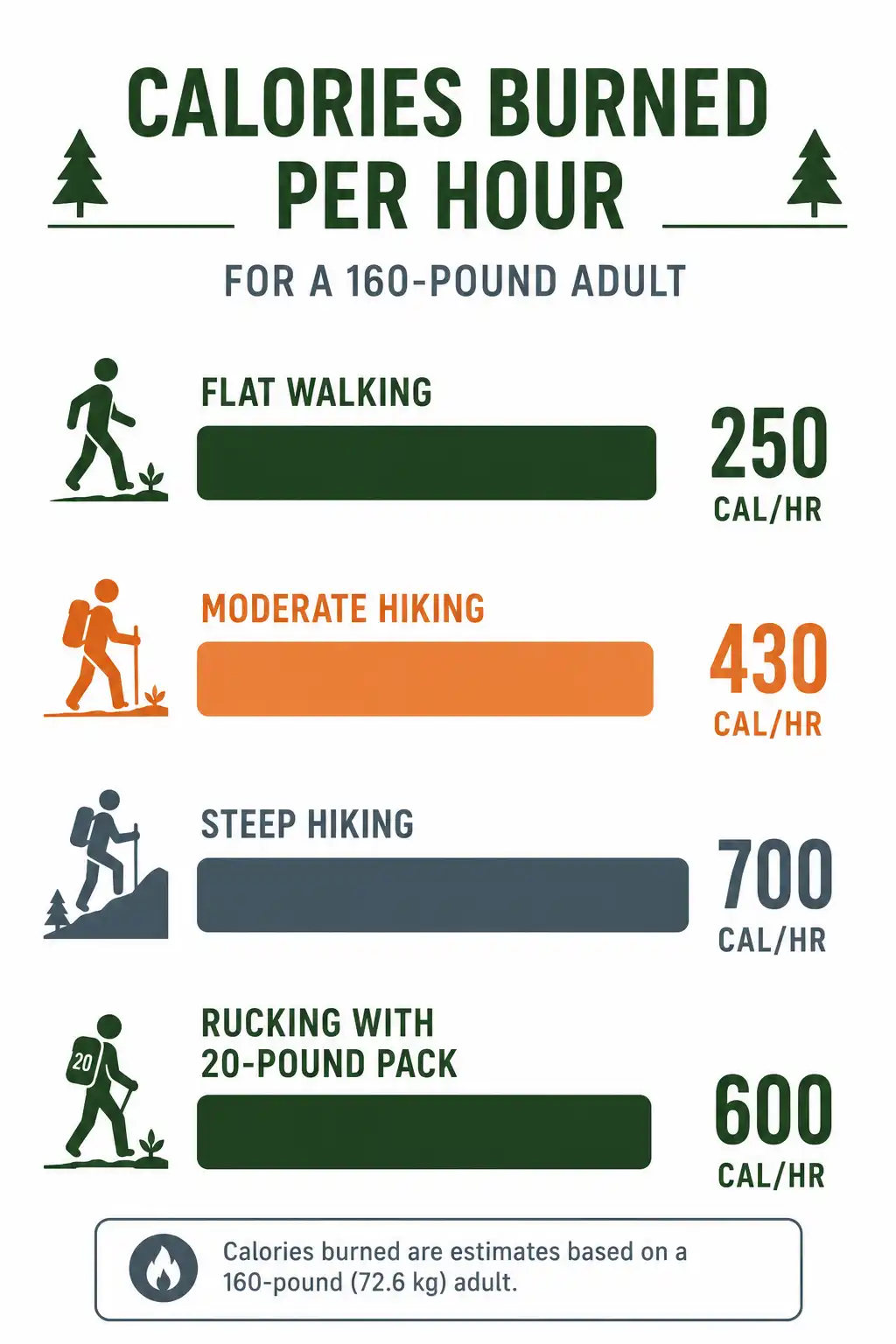
Hiking is one of the best low-impact activities for fat loss. A 160-pound adult burns roughly 430 to 550 calories per hour on moderate trails, and more on steep ones. Hike three to five times a week, watch your food intake on rest days, and steady fat loss usually follows within four to six weeks.
How many calories does hiking burn?
Hiking burns between 350 and 700 calories per hour for most adults, depending on body weight, terrain, and pack load. Heavier hikers burn more. Steep uphill climbs can push the number above 700, while flat walking on a paved path sits closer to 250. So the steeper and rougher the trail, the more energy you spend.
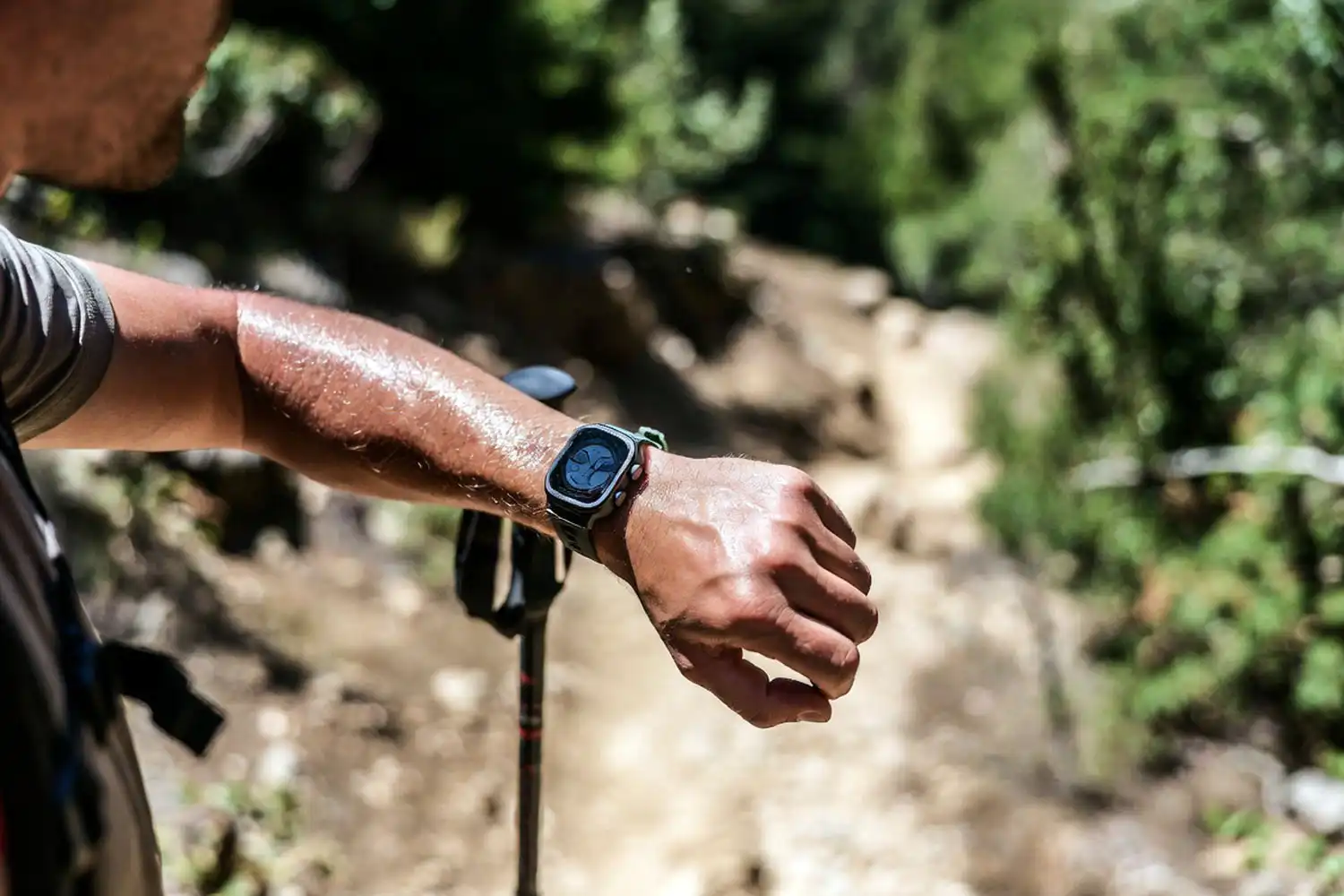
Pack weight also matters. Carrying a 15-pound daypack adds around 50 to 80 calories per hour because your muscles work harder to balance and move the load. Trekking poles bump the number up further because they recruit your arms and shoulders, not just your legs.
Why hiking beats flat walking for fat loss
Hiking burns more fat than flat walking because uneven terrain and elevation force your body to recruit more muscle groups. On a sidewalk, your legs do most of the work. On a trail, your core stabilizes every step, your calves push off rocks, and your glutes drive each climb.
Also, trail surfaces vary, so your heart rate naturally rises and falls. That interval pattern improves fat oxidation over time. Research on incline walking shows fat burn jumps noticeably once gradient hits 5 to 10 percent. If you want to know what counts as steep, my notes on what counts as serious elevation cover the numbers in detail.
How long should I hike to lose weight?
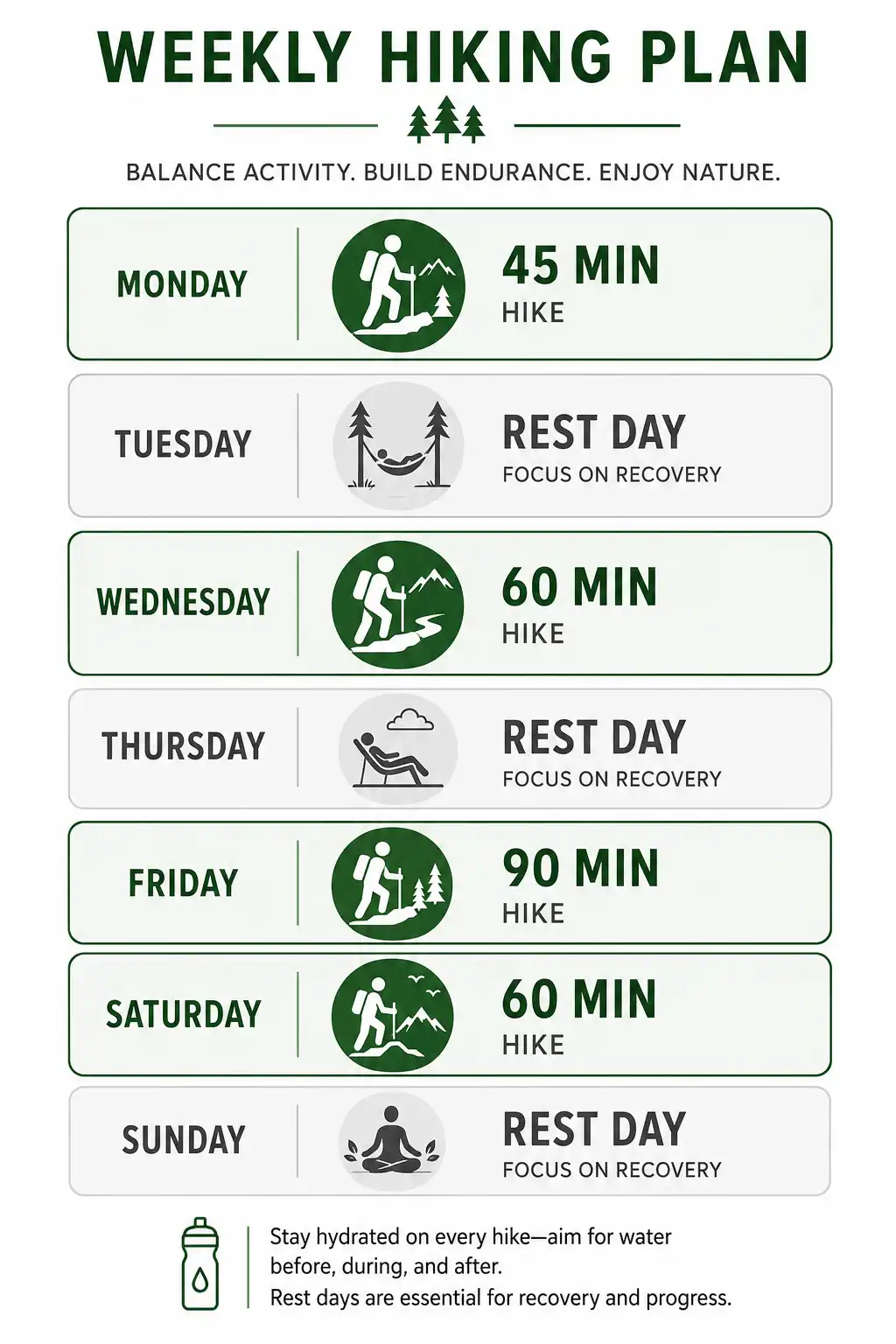
A good starting point is 45 to 90 minutes per hike, three to five days a week. That total gives you enough time under load to dip into fat stores without wrecking your joints. Beginners should start at the lower end and build up gradually.
Once you push past 90 minutes, fuel becomes important. I always carry a small bag of nuts, raisins, and dates for longer days. For more ideas, check what I pack for quick trail fuel that stays light.
What pace burns the most fat?
A pace that keeps you mildly breathless but still able to speak in short phrases burns the most fat per session. This sits in roughly Zone 2, around 60 to 70 percent of your max heart rate. Go faster and you burn glucose instead of fat. Go slower and you barely raise sweat.
Most hikers find this pace naturally on moderate inclines. However, if you tend to start too fast, my tips on setting a steady rhythm on long trails explain how to settle in.
Does pack weight help with weight loss?
Yes, adding a moderate pack increases calorie burn by 10 to 20 percent without hammering your knees the way running does. Start with 10 pounds and build up to 20 over a few weeks. This style of training is called rucking, and it has become popular for good reason.
However, do not overload. Too much weight strains the knees on descents, especially for new hikers. If you already feel pain coming downhill, my notes on easing knee strain on descents help reduce impact.
How fast will I lose weight by hiking?
Most people lose 1 to 2 pounds per week with consistent hiking and a mild calorie deficit. That assumes three to five hikes weekly, sensible food choices, and around 7 hours of sleep. Faster loss is possible but usually hard to sustain.
Bear in mind, the scale can mislead you. Hiking builds lean muscle in your legs and glutes, so body composition improves even when weight stalls. Take photos, measure your waist, and trust the trend across several weeks instead of daily numbers.
Common mistakes that stall weight loss
The biggest mistake is rewarding every hike with a large meal. A 90-minute moderate hike burns around 600 calories. One restaurant meal can erase that in 15 minutes. So track food honestly during your first month.
Another mistake is hiking only on weekends. Two long hikes per week do not build the metabolic base that daily movement does. Instead, mix shorter weekday walks with longer weekend trips.
Finally, many beginners ignore recovery. Skipping rest days leads to overuse injuries that halt progress. My write-up on beginner errors that derail hikers covers more pitfalls worth knowing.
My experience hiking for fitness
When I started long treks in Bandarban, I dropped about 8 pounds in six weeks without changing my diet much. The climbs to Keokradong and the trail to Nafakhum waterfall taught me that steady movement on uneven ground does something a treadmill cannot copy. My legs got stronger, my breathing improved, and my appetite settled into a normal rhythm. I also noticed sleep improved within two weeks, which made everything else easier.
That said, results came faster once I cleaned up my food. Hiking alone is effective, but pairing it with sensible eating roughly doubles the speed.
What should I eat to support hiking weight loss?
Eat protein at every meal, fill half your plate with vegetables, and keep refined carbs low on rest days. On hiking days, add a fist-sized serving of complex carbs like rice or oats to keep energy steady. For trail fuel, stick to whole foods over packaged bars when possible. I cover full pre-hike meal ideas in my notes on fueling up before a day hike.

FAQs on Is Hiking Good for Weight Loss

Can I lose belly fat by hiking?
Is hiking better than running for weight loss?
How many miles should I hike to lose weight?
Does hiking tone your stomach?
Final thoughts
Hiking works for weight loss because it burns serious calories, builds muscle, and stays gentle on your joints. Aim for three to five hikes a week, keep your pace steady but challenging, and pay attention to what you eat off the trail. Results show up within a month for most people. Start with shorter trails near home, then add elevation as your fitness grows, and treat hiking as a long-term habit rather than a quick fix. The trail rewards consistency more than intensity, every time.