What Is a Scramble in Hiking? Everything You Need to Know

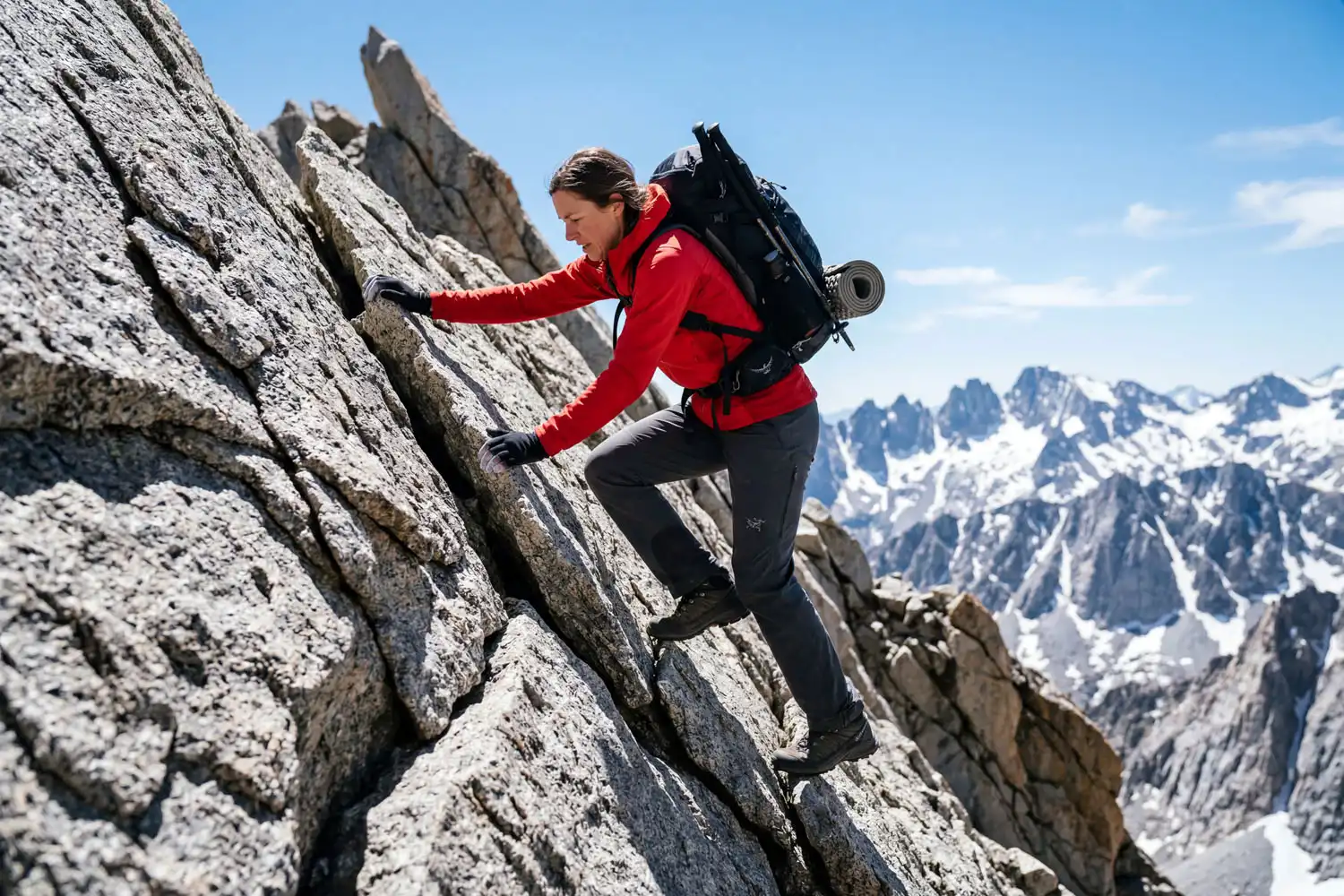
A scramble in hiking is a section of trail steep and rocky enough that walking alone won’t get you through, so you start using your hands as well as your feet. I first ran into this on the granite slabs near Keokradong, where the path tipped up and suddenly felt half hike, half climb. This guide breaks down what scrambling really means, the difficulty grades, the gear and skills involved, and how to handle steep rock safely without crossing into technical climbing.
What does scrambling mean in hiking?
Scrambling is the gray zone between hiking and rock climbing. On a scramble, the ground gets steep enough that balance and hand contact become necessary, but you usually don’t need ropes, harnesses, or protection gear. Most scrambles are short rocky bursts on an otherwise normal hike, though some peaks have routes that scramble from base to summit.
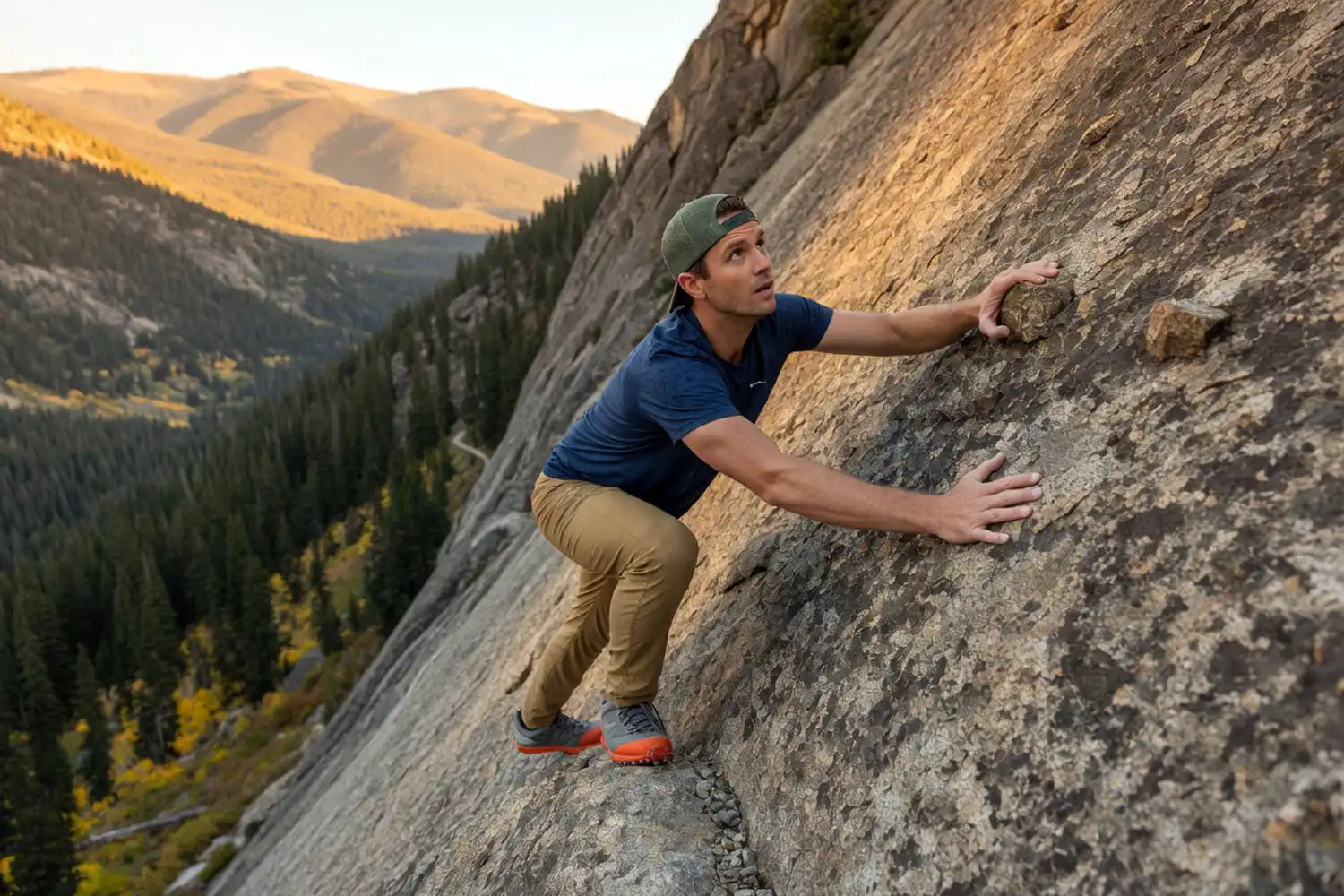
The pace also changes. On a regular trail you walk steadily. On a scramble you slow down, plan each move, test holds, and shift your weight carefully. So it’s more thinking than walking.
Learn more: Hiking Vs Walking
Scrambling classes explained (Yosemite Decimal System)
Hikers and climbers use the Yosemite Decimal System (YDS) to grade terrain difficulty from Class 1 to Class 5. Scrambling covers Class 2 through Class 4.
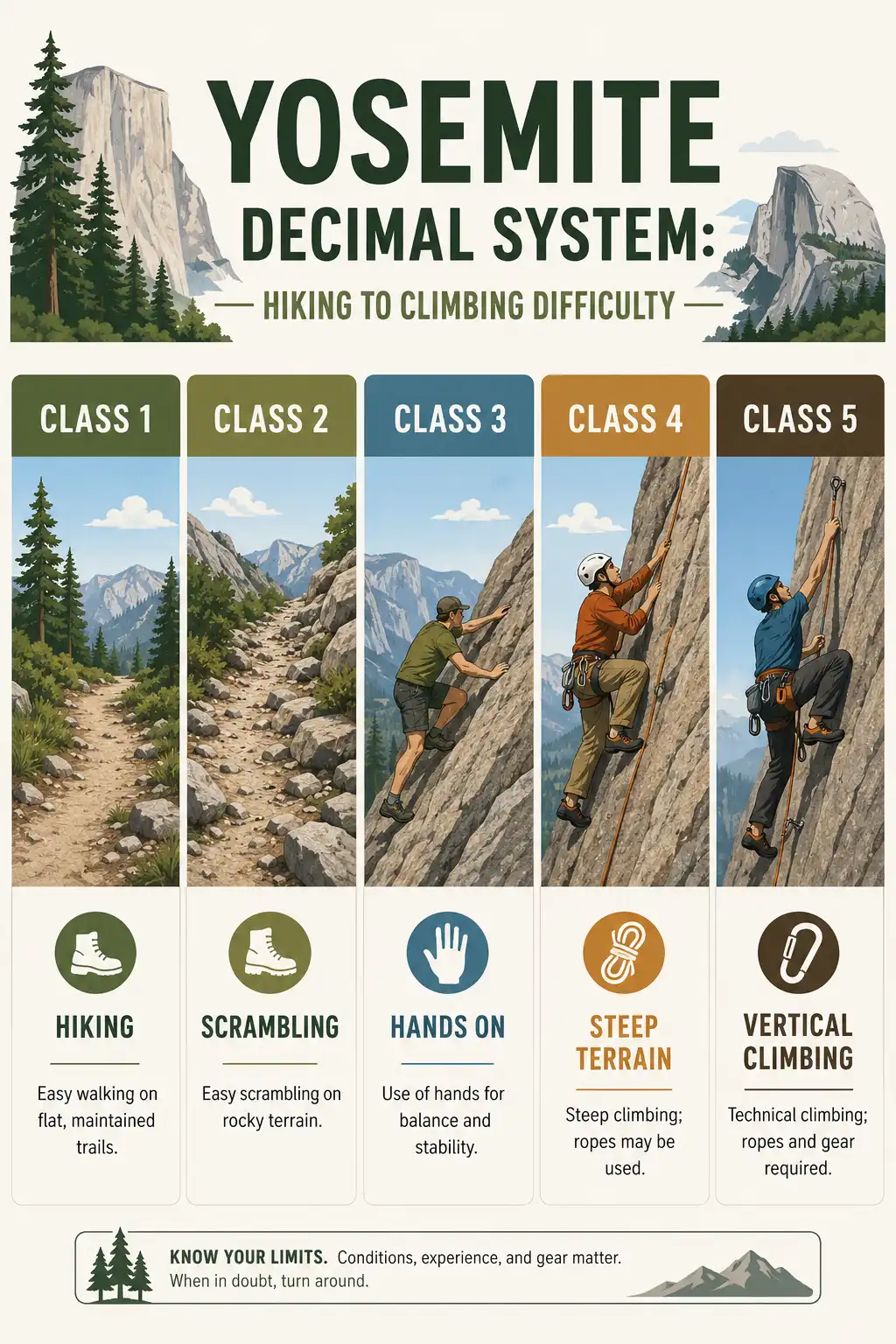
Class 1: Walking
This is normal trail hiking. Flat, gentle, or moderate paths. No hands required, and no scrambling involved.
Class 2: Easy scrambling
You may use your hands occasionally for balance, but only on rough or rocky sections. Falls are unlikely to cause serious injury. Many alpine trails include short Class 2 sections where boulders block the path.
Class 3: Real scrambling
Here you must use your hands to climb up. The terrain is exposed, meaning a fall could hurt you. Most people are comfortable without a rope, but beginners often want one. Class 3 is where most hikers first feel “this is a scramble.”
Class 4: Hard scrambling
The route is steep, holds are smaller, and exposure is serious. A fall could be fatal. Many hikers choose to rope up here for safety, even though it’s still considered scrambling, not climbing.
Class 5: Technical climbing
This is no longer scrambling. Ropes, harnesses, and climbing gear are required. After that, Class 5 splits into subgrades (5.0 to 5.15) for climbers.
How scrambling differs from hiking and climbing
Hiking is foot-only. Climbing is rope-protected vertical movement. Scrambling lives between them. You move on rock without gear but with focus, hand use, and good route choice.
Also, scrambling demands more route reading than hiking. On a trail you follow markers. On a scramble you pick the best line up the rock, looking ahead for holds, ledges, and rest spots. After a few hours of this, your brain feels as tired as your legs.
Skills you need for scrambling
Scrambling rewards calm thinking and steady movement. These are the core skills I focus on every time I hit rocky ground.
Three points of contact
Always keep three of your four limbs touching the rock. Move only one hand or foot at a time. So this simple habit keeps you balanced when the terrain tilts.
Reading the rock
Look for solid holds. Tap loose stones before trusting them. Then choose lines with frequent ledges instead of smooth slabs.
Downclimbing
Going down a scramble is harder than going up because you can’t see your feet as well. Face the rock, lower yourself carefully, and test each foothold. If you struggle with descents, my notes on protecting your knees on steep descents apply here too, since scrambling down loads the joints hard.
Route finding
Before committing to a section, scan ahead. Look for the line of least resistance. If the rock looks blank or smooth, search for a side route. Many scrambling accidents happen because someone pushed up a bad line instead of stepping back.
Pacing
Scrambling burns more energy than walking. Slow your overall pace, eat more often, and drink steadily. The same logic from setting a sustainable hiking pace applies, just dialed up.
Gear for scrambling
You don’t need climbing equipment for most scrambles, but a few choices matter more than usual.
Footwear
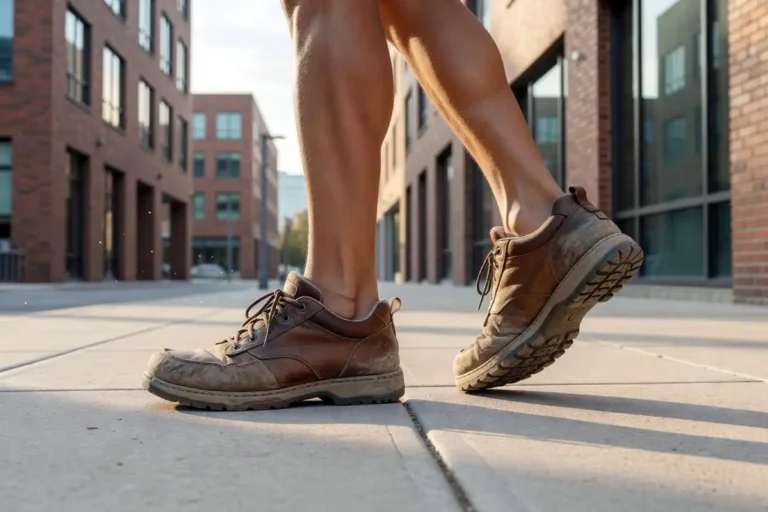
Stiff, grippy shoes win on rock. Approach shoes are ideal because they have sticky rubber soles and stable platforms. Light trail runners work for easier scrambles. However, heavy backpacking boots feel clumsy on small holds. If you’re new and not sure what to wear, the comparison between hiking boot and trail shoe options for beginners is worth a read before buying.
Gloves
Light, thin gloves protect your hands from sharp rock without dulling your grip. Some hikers prefer bare hands for feel. So try both and see what works for you.
Helmet
For Class 3 and above, wear a climbing helmet. Loose rocks fall, and even a small one can cause a serious head injury.
Pack fit
A pack that sways will throw you off balance. Therefore, tighten hip belts, shoulder straps, and the chest strap before you start any rocky section.
Trekking poles
Poles help on the approach but become a hassle on the rock. Most scramblers stash them on the pack before the steep bit. If you use poles often, picking trekking poles built to last under stress matters, because cheap ones can collapse mid-move.
Safety tips for scrambling
Scrambling has a higher injury rate than regular hiking because falls happen on steep rock instead of flat trail. These habits keep me safer every time.
Check weather before the climb
Wet rock turns easy scrambles dangerous. Granite gets slick. Lichen becomes greasy. So if rain is in the forecast, change your plan.
Climb with a partner
Solo scrambling is fine on Class 2. For Class 3 and up, climbing with a partner means someone can help if you fall, get stuck, or get hurt. Also, if something goes wrong far from a road, knowing how to call for rescue from a remote area can save your life.
Don’t follow blindly
If your group leader picks a hard line and you don’t feel safe, stop. Wait. Then try a different route. Pressure causes more scrambling accidents than poor skill.
Know your turnaround time
Decide before you start when you’ll turn back if you haven’t reached the top. Stick to it. Most scrambling injuries happen on descents after dark.
Practice on easy rock first
Find a Class 2 boulder field near home and practice moving on it. After a few sessions, the skills transfer directly to bigger objectives.
How to start scrambling
Begin with marked Class 2 trails. Many popular peaks have routes graded “easy scramble” in trail guides. Build up slowly. Then move to Class 3 only when Class 2 feels relaxed and natural.
Hire a guide or join a club for your first real Class 3 outing. Watching an experienced scrambler choose lines and place hands teaches more than any video. After a few outings, your eye for the rock improves quickly.
Also, expect to feel humbled. Even strong hikers move slowly on their first scramble. That’s normal. Many of the same beginner errors covered in my piece on common mistakes new hikers make show up doubled on rock, so a careful start pays off.
Frequently asked questions

Is scrambling dangerous?
Do I need climbing experience to scramble?
Can I scramble alone?
What's the hardest scramble most hikers attempt?
Final thoughts
Scrambling opens up a whole layer of terrain that pure hikers skip, and it’s a skill worth building slowly. Start on Class 2, learn the three-points-of-contact rule, pick the right shoes, and respect the weather. Once you get comfortable, summits that once looked off limits become reachable on foot. After years on the rocky ridges back home in Bandarban, I still treat every scramble with the same care as my first one, because the mountain doesn’t care how many times you’ve been up.