How to Sleep Outside Without a Tent: Gear, Setup, and Safety

I have slept without a tent plenty of nights in the Bandarban hills, sometimes by choice and sometimes because I left the tent at home. Going tentless saves weight and gets you closer to the place. Here is how to do it and still sleep warm, dry, and comfortable.
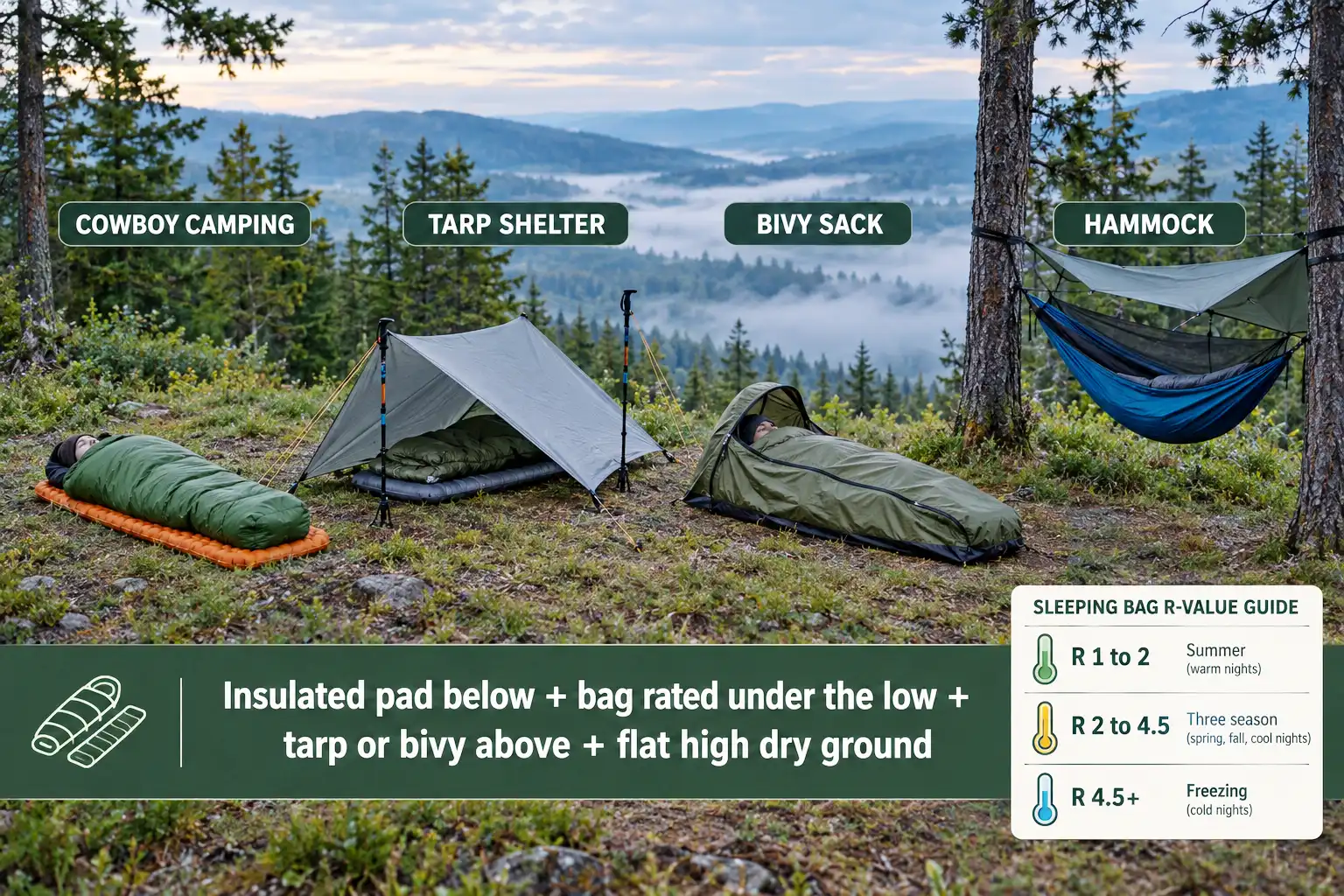
Sleep on an insulated pad, never on bare ground. Use a bag or quilt rated below the forecast low. Then add a tarp or a bivy sack overhead if dew or rain looks likely. Finally, pick flat, high ground with a little tree cover above it.
What are the ways to sleep outside without a tent?
Four setups cover nearly every situation: cowboy camping, a tarp shelter, a bivy sack, and a hammock.
Cowboy camping means lying straight on a pad under open sky with nothing overhead. It weighs the least and sets up in about a minute. Save it for dry, clear, bug-free nights.
A tarp shelter is a flat sheet of nylon or silpoly strung over a ridgeline or trekking poles. Rain, dew, and wind all stop at the fabric, yet the whole thing weighs far less than a tent. Most solo hikers I know run this setup.
A bivy sack is a waterproof breathable sleeve that goes over your sleeping bag. It packs small and works almost anywhere, though it feels tight and can trap moisture inside.
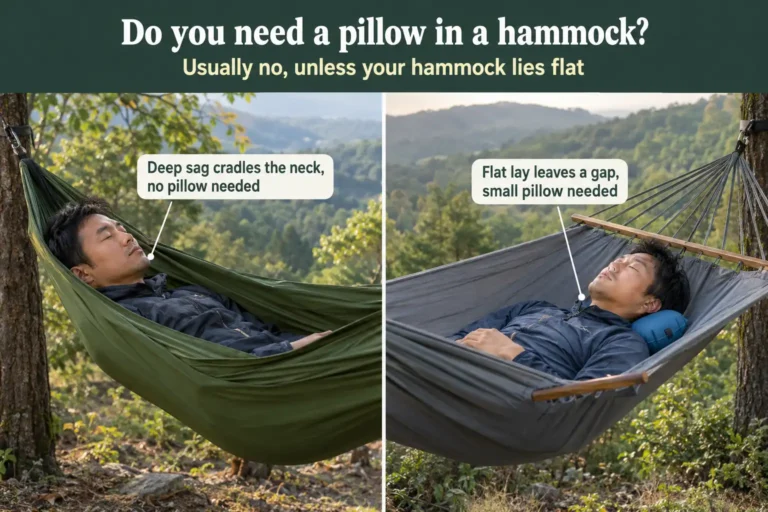
A hammock keeps you off wet ground completely. You need two solid trees roughly 12 to 15 feet apart, plus a tarp above if rain is possible. Getting the sag and height right takes practice, so try hanging a hammock at camp in your yard before the trip.
Why does what is under you matter more than what is over you?
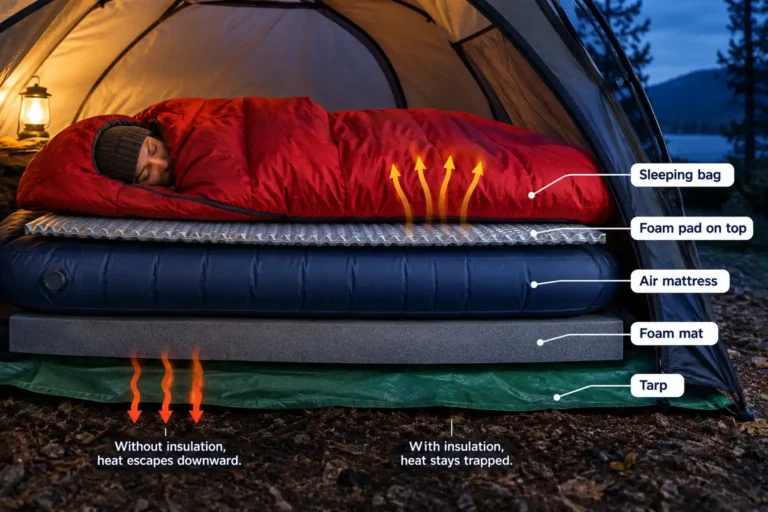
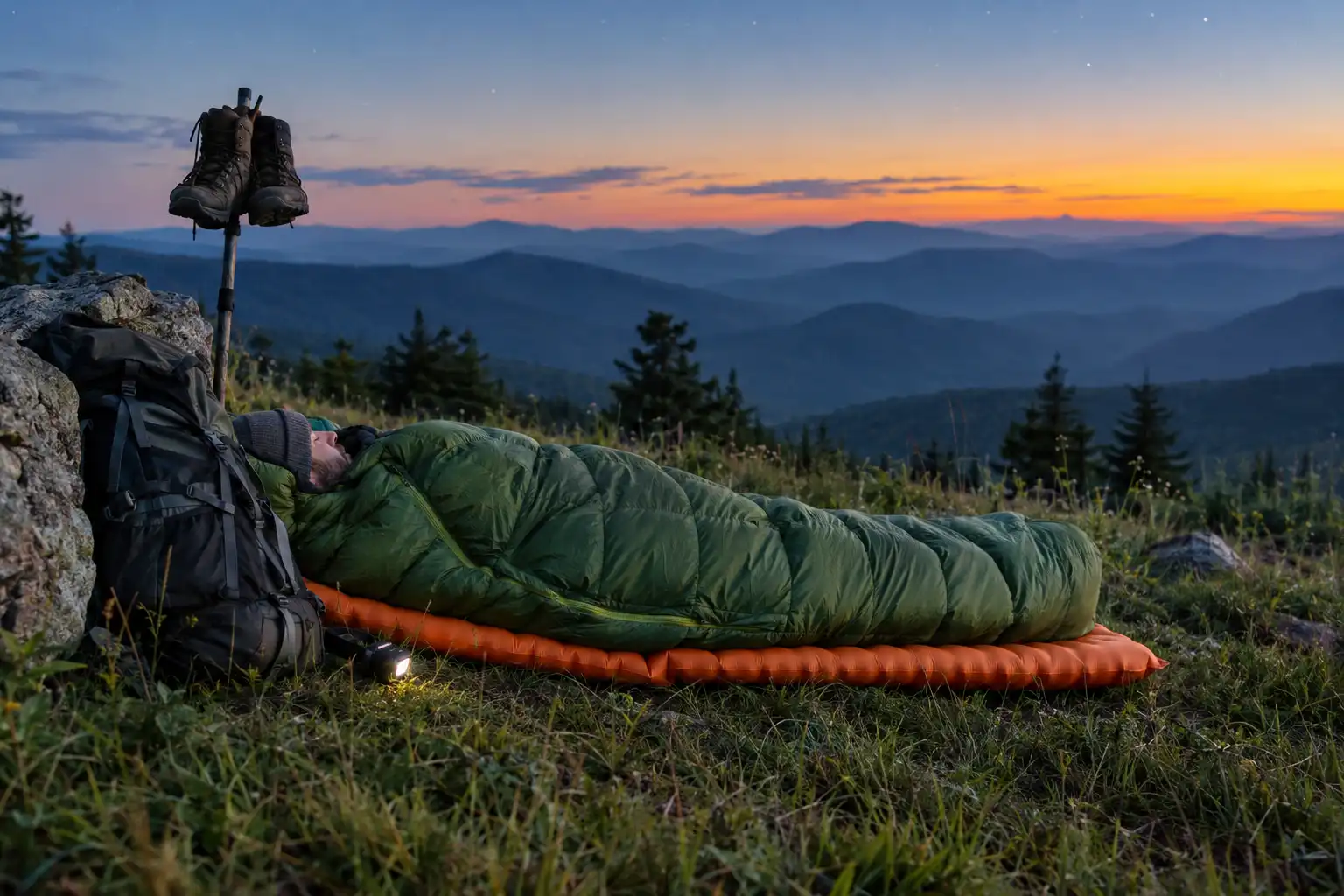
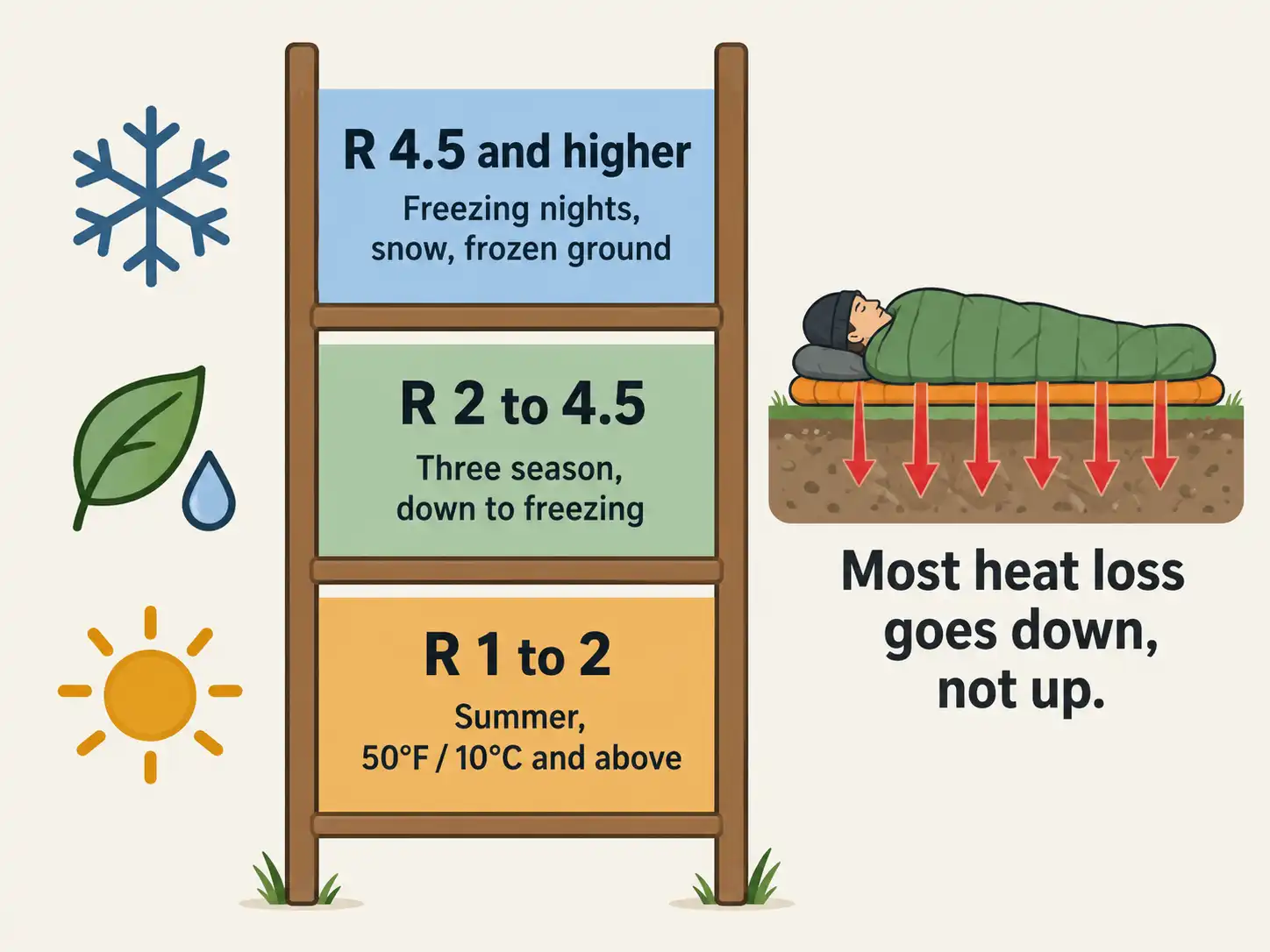
The ground pulls heat from your body far faster than cold air does, so insulation underneath matters most. Your body weight crushes the sleeping bag insulation beneath you, which leaves it doing almost nothing. Only the pad stands between you and the cold earth.
Pads carry an R-value, now tested under the ASTM F3340 standard so numbers compare fairly across brands. Here is the rough guide I follow:
- R 1 to 2: warm summer nights, roughly 50°F (10°C) and above
- R 2 to 4.5: three-season use down to around freezing
- R 4.5 and higher: freezing nights, snow, and frozen ground
Foam pads never puncture, so I carry one whenever I sleep in the open. Air pads pack smaller and feel softer, but one sharp stick ends the night. Plenty of hikers stack a thin foam pad under an air pad in cold weather. That combination adds R-value and shields the air pad. A self inflating pad sits between those two options, and the way an open cell foam pad draws in air explains much of its warmth.
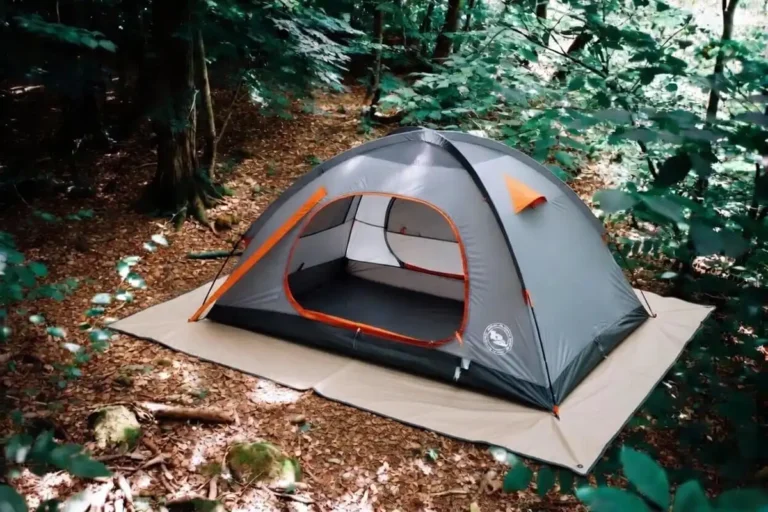
Add a ground sheet under the pad as well. Wet soil, grit, and thorns all reach your gear otherwise, and picking a ground cloth material that handles damp soil costs almost nothing.
How do you choose a spot with no tent to protect you?
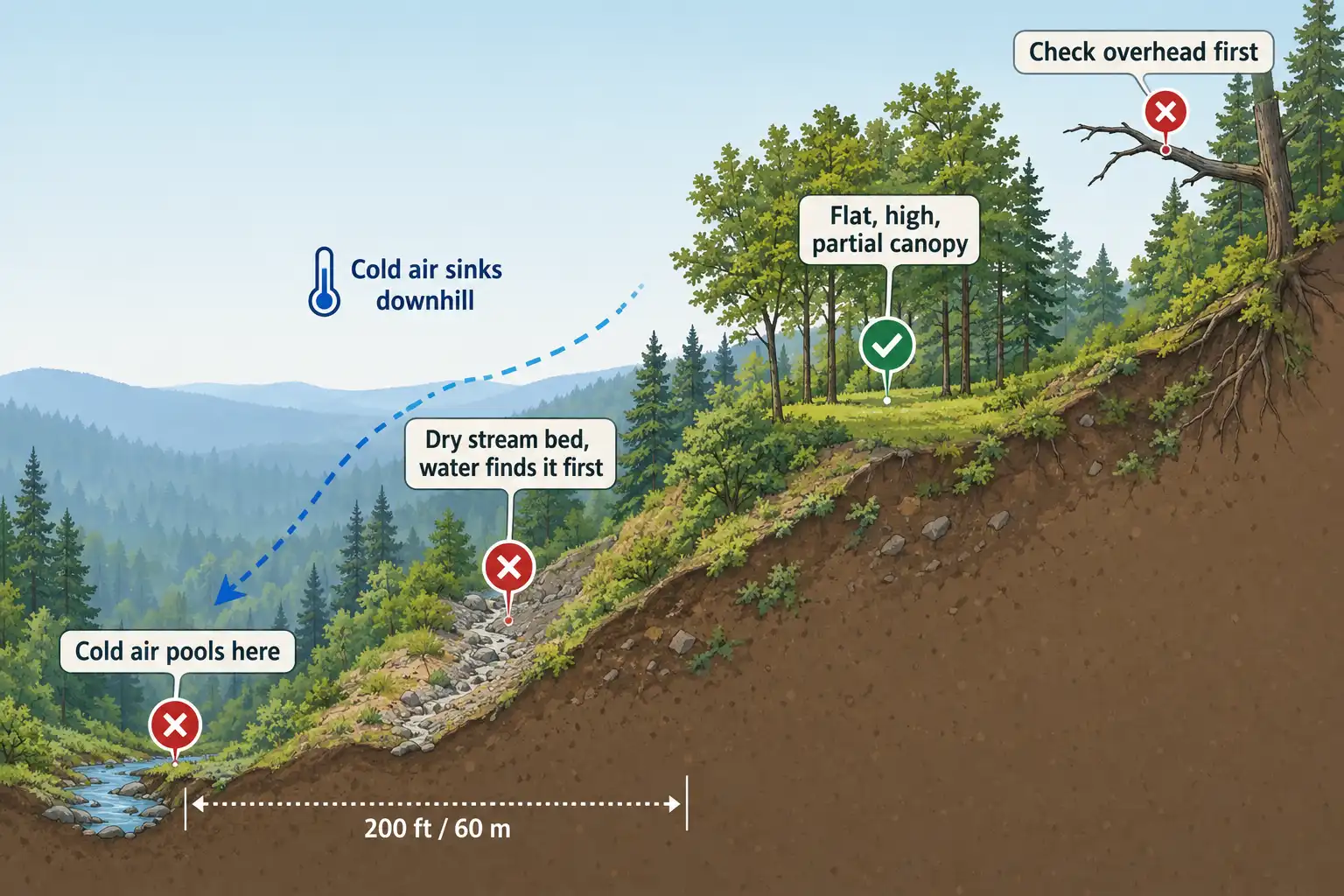
Pick flat, high, dry ground with partial tree cover and nothing dead hanging above it. A tent hides a bad campsite. Without one, the site itself does all the work.
Walk the spot before dark and check six things:
- Overhead. Dead branches, loose rock, and wasp nests are the real hazards. Look up before you drop your pack.
- Drainage. Never sleep in a hollow, a dry stream bed, or a dip in the trail. Water finds those places first.
- Temperature. Cold air sinks, so valley floors and low meadows run several degrees colder than a bench 30 feet higher.
- Canopy. A thin screen of branches cuts dew sharply, because it blocks heat radiating from your bag to the open sky.
- Ground. Clear stones and roots, then lie down and test the surface before you unroll anything.
- Distance. Stay roughly 200 feet (60 meters) from lakes and streams. Bugs, runoff, and Leave No Trace rules all point the same direction.
Gentle slope is fine. Sleep with your head uphill so blood does not pool in your face. On trips around Boga Lake, the flat ground closest to water always looked best and slept worst.
How do you stay warm sleeping outside without a tent?
A tent adds only a few degrees of warmth, so your bag and pad carry the real load. Choose a bag rated about 10°F (5°C) below the forecast low, then close the remaining gap with habits instead of gear.
Change into dry sleeping clothes before you get in. Sweat left over from the day’s walk steals heat all night. Wear a warm hat too, since your head loses heat quickly in open air.
Eat something with fat or protein before bed. Your body needs fuel to produce heat through the night. A hot water bottle inside the bag also helps, provided the lid seals properly.
Wind matters far more without walls around you. Use a boulder, a log, a bank, or a low tarp edge as a wind block. Even a small barrier on the windward side changes how the night feels.
Never breathe into your sleeping bag. Moisture from your breath soaks the insulation, and the bag gets colder as the hours pass.
How do you stay dry without a tent?
Dew soaks more gear than rain does. On clear, calm nights your bag radiates heat straight to the sky, drops below air temperature, and pulls moisture out of the air.
Three habits fix it. First, camp under partial canopy rather than open sky. Second, pitch a tarp low so it traps a thin layer of warm air over you. Third, use a bivy sack or a sleeping bag with a water-resistant shell.
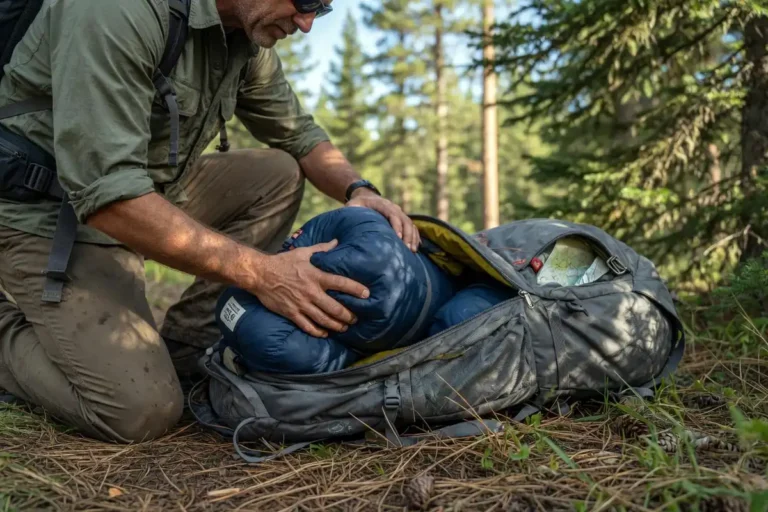
Keep the bag inside a dry bag all day, every day. Damp insulation performs poorly and dries slowly in humid air, which I learned the hard way in the hills after a monsoon shower.
Dry everything in the morning as well. Shake the tarp out, then flip your bag inside out for 20 minutes of early sun. Otherwise you carry that water for the rest of the trip.
How do you pitch a tarp over your sleeping spot?
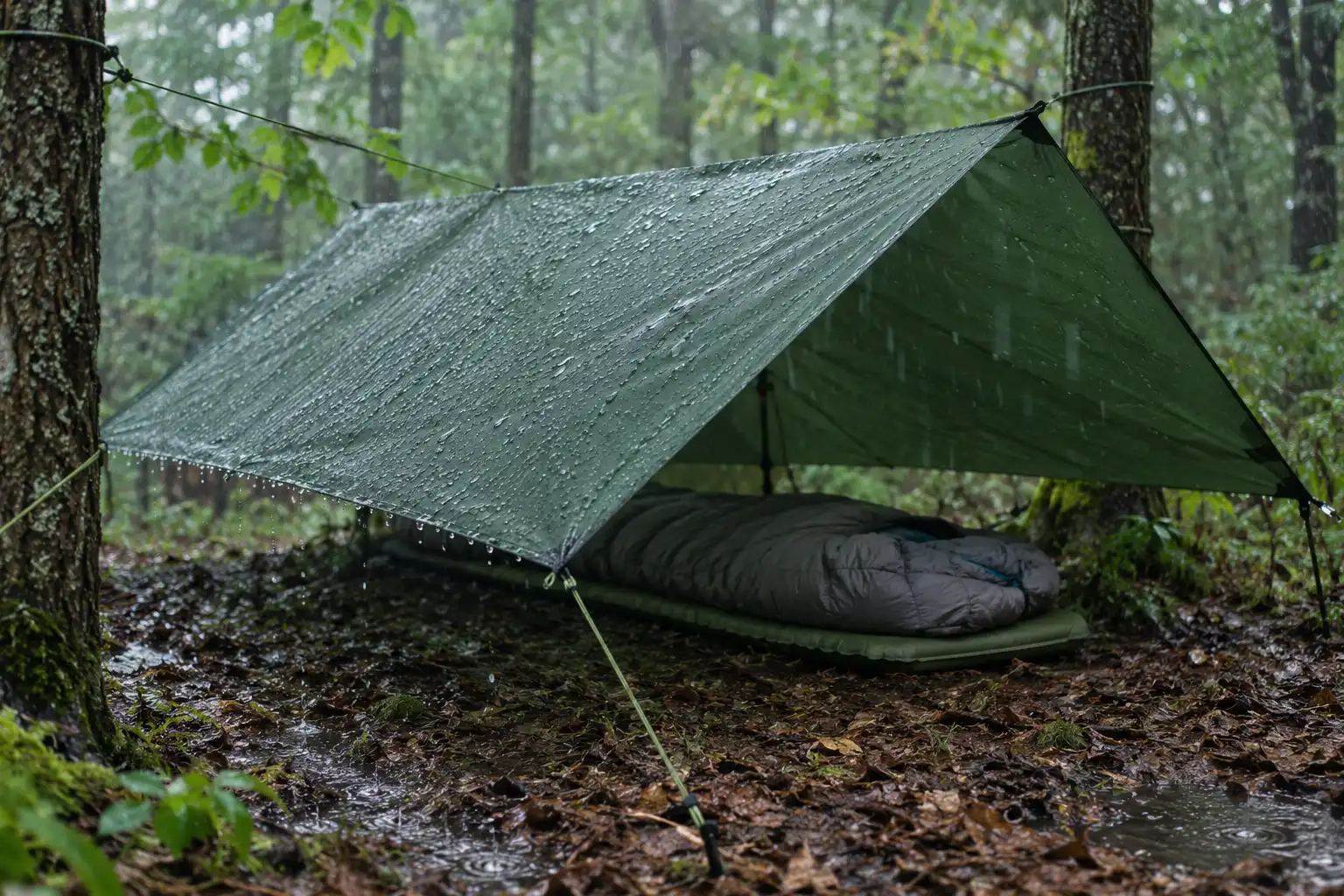
Run a ridgeline, drape the tarp, stake the corners tight, and drop the pitch lower if wind builds. The whole job takes about five minutes once you have done it a few times.
- Tie the ridgeline. Run cord between two trees at chest height for a roomy pitch, or at knee height for storms. No trees nearby? Stand a trekking pole at each end instead.
- Center the tarp. Lay it over the line so both sides hang evenly.
- Stake the corners. Pull each corner out and down at roughly 45 degrees. Tension removes flapping, and flapping keeps you awake.
- Close the windward end. Bring that end down to the ground, then leave the opposite end open for airflow.
- Check the drip line. Your pad should sit well inside the tarp edge, never under the water running off it.
An 8 by 10 foot tarp covers one person with gear comfortably. Two people need more coverage, so working out the tarp size your setup actually needs saves a miserable night.
How do you keep bugs away while sleeping in the open?
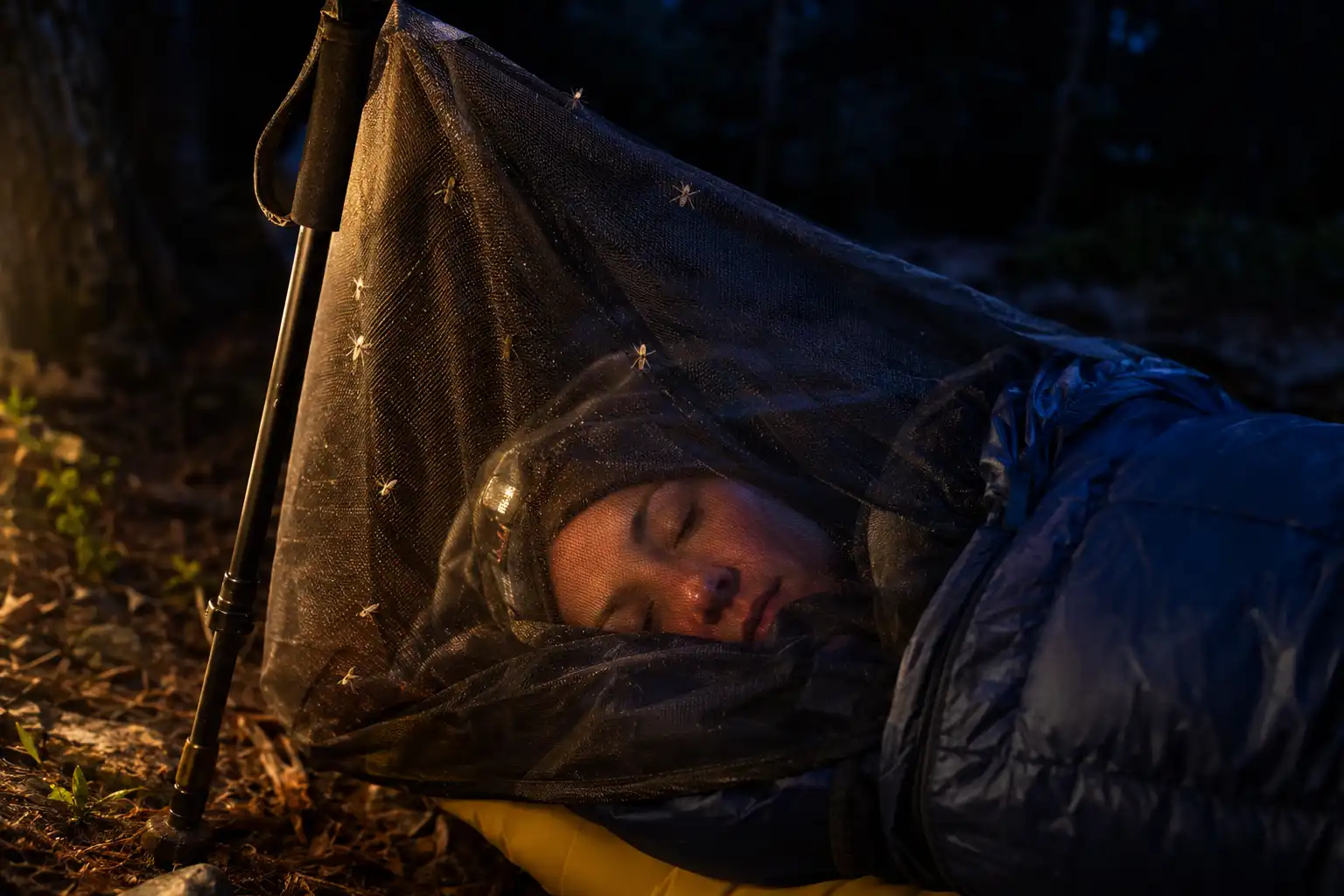
A head net plus treated gear handles most of the problem. Mosquitoes, ants, and ticks are the main reason people abandon tentless camping, so deal with them before you lie down.
Treat clothing and your tarp edges with permethrin at home. It survives several washes and keeps ticks off. Apply repellent to skin only where fabric does not already cover you.
Prop the head net off your face with a stick, a trekking pole tip, or a loop of cord. Netting resting against skin does nothing, and holding a bug net clear of your face at night takes two minutes to rig.
Camp where a light breeze moves through. Still air near standing water produces the worst nights by a wide margin. After rain in the Bandarban forest, leeches turn up as well. I tuck my trousers into my socks, then check my legs before getting into the bag.
A bug bivy, which uses mesh instead of waterproof fabric, solves the problem completely in heavy insect season. It weighs very little and pairs well with a tarp.
Is it safe to sleep outside without a tent?
Yes, in most places, provided you handle food storage, weather, and site choice properly. Tent fabric stops insects and rain. Animals walk right through it, so losing the tent changes less than people assume.
Store food well away from your sleeping spot. Hang it, or use a canister where local rules require one. Black bear country follows the same rules with or without a tent.
Snakes seek warmth, not people. Sleeping on a raised pad, away from rock piles, brush, and tall grass, removes nearly all of that risk. Shake out your boots and clothing in the morning.
Think about people too. Camp out of sight from roads and trails, tell someone your plan, then check the local rules. Some parks require designated sites, and a few countries restrict wild camping altogether.
Weather remains the actual risk. Read the forecast, then decide in advance what you will do if rain arrives at 2 a.m.
When should you skip the tentless setup?
Skip it when heavy rain, strong wind, freezing wet conditions, or peak bug season lines up with exposed ground. A tarp handles steady rain well. Sideways rain driven by wind is another matter.
Also skip it on your first night out. Learn the system in your yard or at a campground before you rely on it deep in the hills.
Cold shrinks your margin fastest. Once temperatures approach freezing, small mistakes turn serious. Knowing the point where thin gear stops keeping you safe matters more than the shelter choice itself.
Alpine ground above treeline gives you no anchors and no wind break. Carry a tent there unless you already know the terrain.
What goes in a tentless sleep kit?
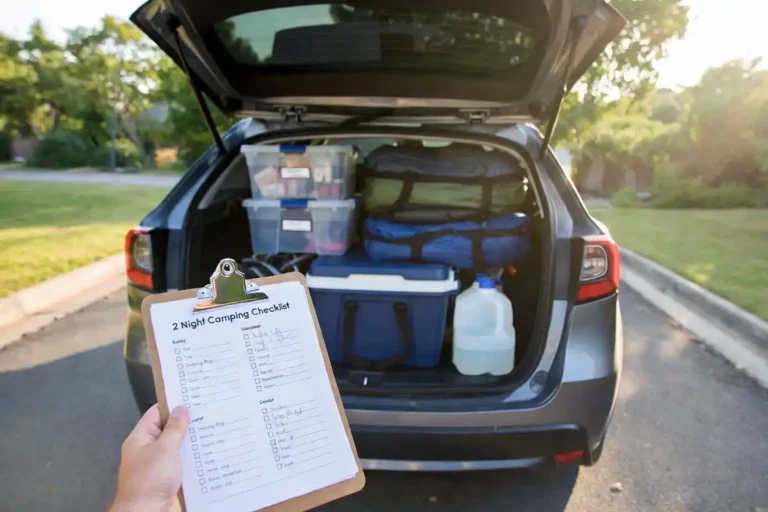
Seven items cover a full night outside:
- Insulated sleeping pad, with the R-value matched to the season
- Sleeping bag or quilt rated below the forecast low
- Tarp with cord and 6 to 8 stakes, or a bivy sack
- Ground sheet
- Head net, plus permethrin-treated clothing
- Dry bag for the sleeping bag
- Headlamp and a warm hat
Swapping a tent for a tarp and ground sheet usually saves one to two pounds. That difference shows up quickly on a long climb.
FAQs about Sleeping outside without a tent

Is it colder sleeping without a tent?
Can you sleep outside in the rain without a tent?
Do you really need a sleeping pad?
Is cowboy camping legal?
How do you handle morning dew on your bag?
Final thoughts
Sleeping without a tent comes down to three decisions: what goes under you, what goes over you, and where you lie down. Get the pad right first, because warmth starts from the ground up. Then add a tarp or bivy when the sky or the insects demand it. Start with one easy night somewhere familiar, and the rest falls into place quickly. After a few trips, you may find the tent stays home more often than it comes along.