Are Combat Boots Good for Hiking? What Works and What Fails

Combat boots show up on trails everywhere. They look tough, they cost less than most hiking boots, and surplus shops sell them cheap. Here is what military boots actually do well on trail, where they let you down, and how to hike in a pair without ruining your feet.
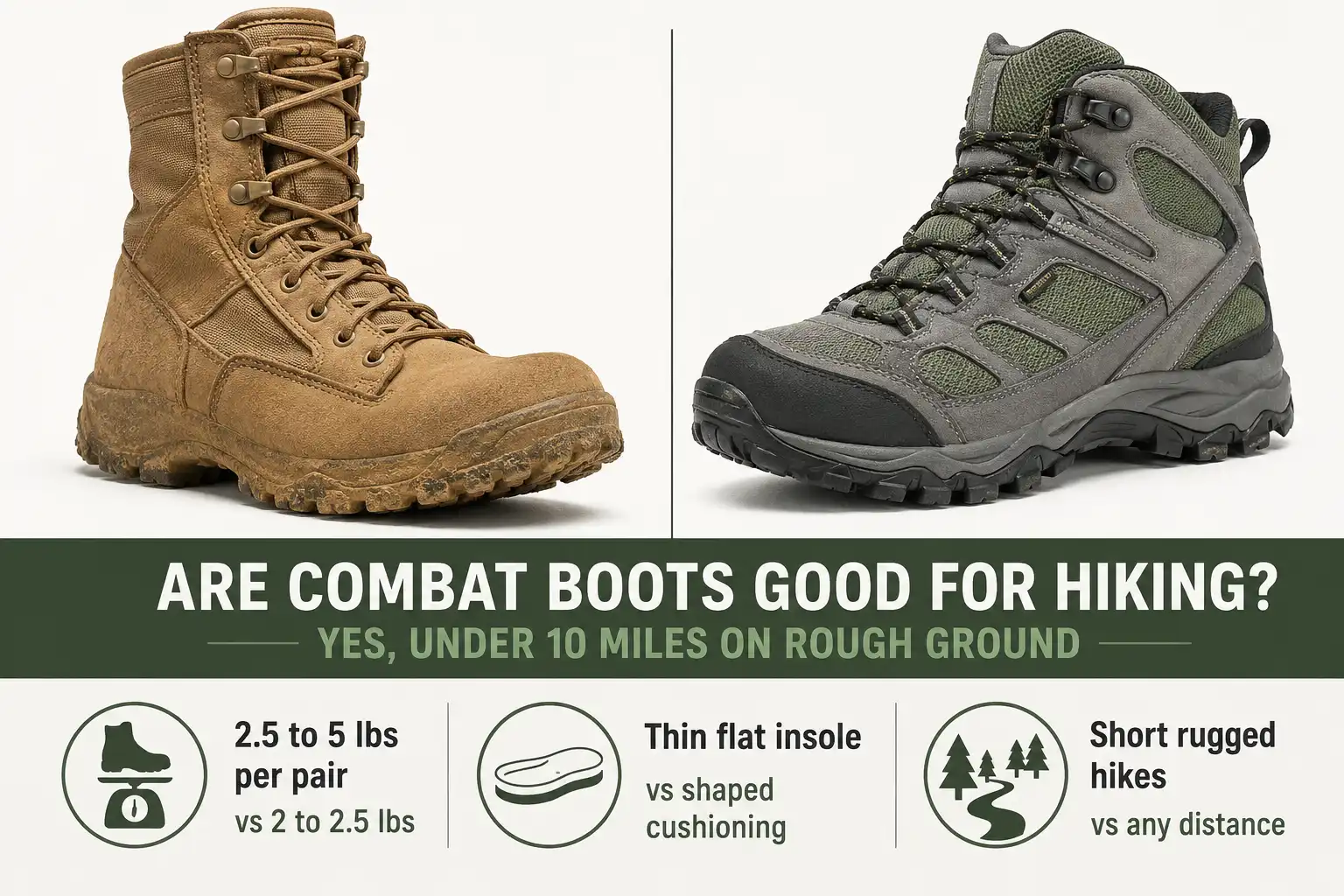
Combat boots work well for short and moderate hikes on rough, wet, or overgrown ground. However, they make a poor choice for long-distance hiking. You get strong protection and grip, but you also carry more weight on your feet, wait through a longer break-in, and get less cushioning. Under 10 miles on rugged terrain, a good pair does the job.
What makes a combat boot different from a hiking boot?
A combat boot is built to be issued to everyone for every job, while a hiking boot is built for one job only. That single design goal changes almost everything about how the boot feels underfoot.
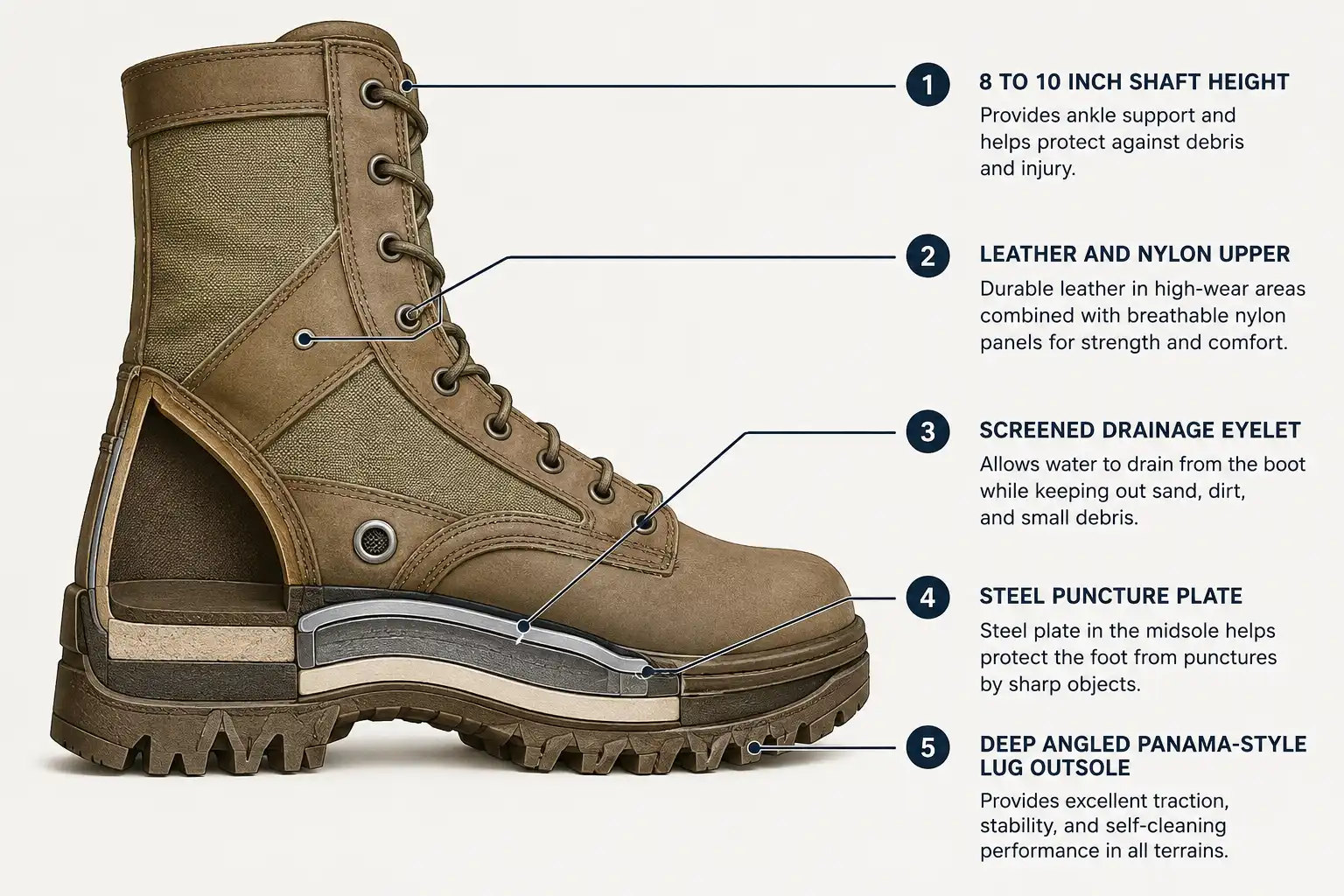
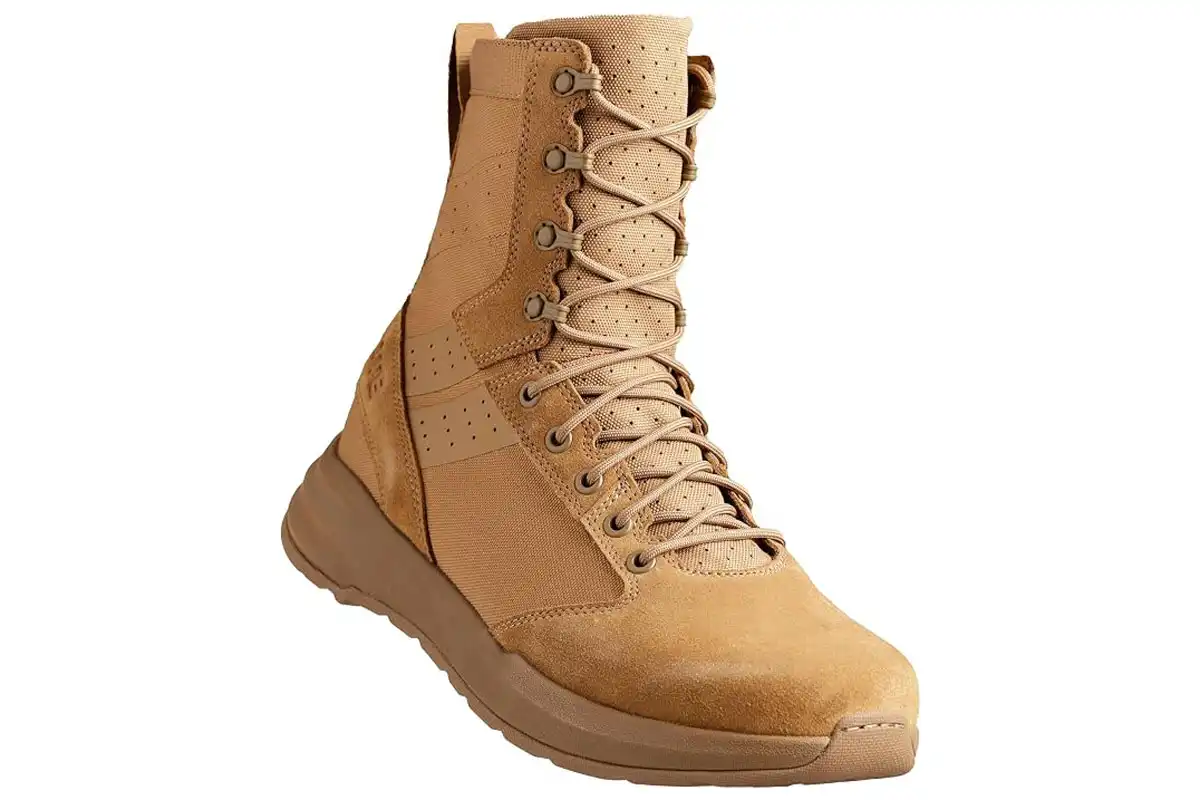
Military boots run 8 to 10 inches tall because dress regulations require it. In addition, most use a stiff shank, a thick vulcanized or direct-attach outsole, and a leather and nylon upper chosen for abrasion resistance rather than airflow. Many models add a steel or composite plate under the arch to stop punctures from sharp objects. Color stays restricted to black, tan, or coyote brown.
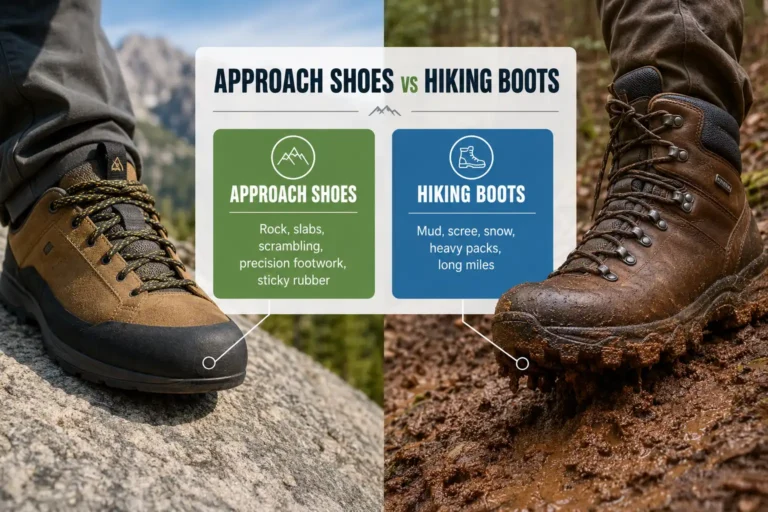
Hiking boots split into narrow categories instead. You can buy a light mesh mid for summer day hikes, a stiff leather backpacking boot for heavy loads, or a low hiking shoe for dry trails. Each one drops the features you do not need. That is why weight comes down and comfort goes up.
So the trade is straightforward. A combat boot gives you one durable answer for every situation. A hiking boot gives you a sharper answer for your situation. Beginners run into the same choice when they weigh mid boots against lighter hiking shoes.
Read next: GPS for Hiking
How much do combat boots weigh, and does the weight matter?
Yes, the weight matters more than most hikers expect, and combat boots usually carry more of it. Modern lightweight models like the Belleville 510 MEF and C320 Flyweight sit around 20 to 21 ounces per boot, so roughly 2.5 pounds per pair. Classic jungle boots run closer to 24 ounces per boot. Older or steel-toe designs push 3 to 5 pounds per pair, since a safety toe alone adds 6 to 8 ounces to each foot.
For comparison, plenty of mid-height hiking boots land near 2 to 2.5 pounds per pair, and trail runners come in well under that.
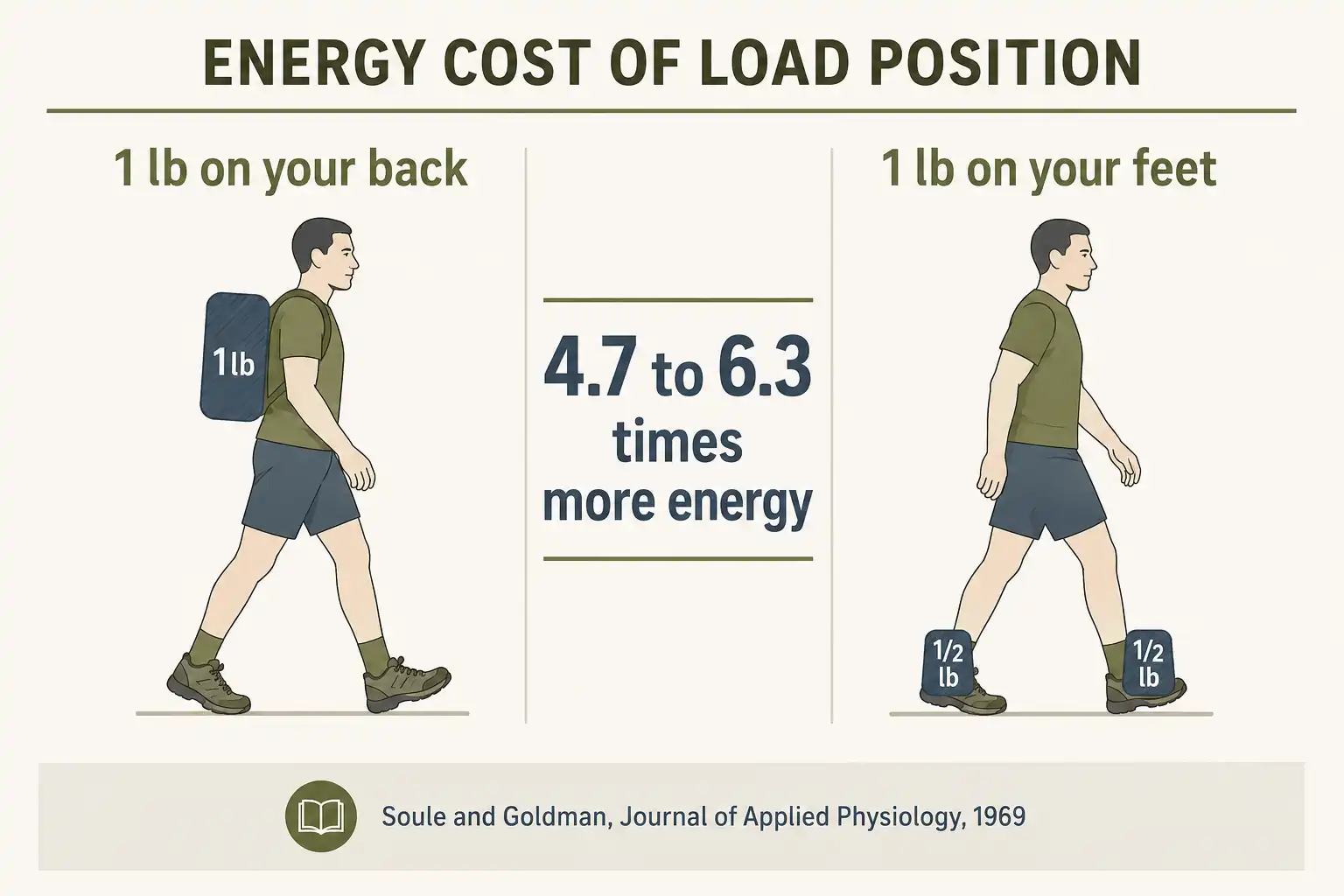
Here is why a few extra ounces hurt. Soule and Goldman published a study in the Journal of Applied Physiology in 1969 showing that weight carried on the feet costs roughly 4.7 to 6.3 times more energy than the same weight carried on your torso, depending on how fast you walk. Later work at the US Army Research Institute of Environmental Medicine backed that up. Adding weight equal to just 1.4% of body weight to the feet raised energy cost by about 8%, close to 5.7 times what the same weight would cost on the trunk.
That research also found a plain difference between footwear types. Above roughly 4 km/h, walking and running in boots cost significantly more energy than doing the same in shoes.
Therefore, a pound of extra boot drains you faster than a pound of extra gear in your bag. Shaving weight off your feet pays back sooner than trimming a loaded pack down does.
Do combat boots really protect your ankles?
Not as reliably as the marketing suggests. The tall shaft does restrict how far your ankle can roll, and lab studies confirm that. Clinical results, though, tell a messier story.
Barrett and colleagues ran a prospective randomized trial on 622 college basketball players and published it in the American Journal of Sports Medicine in 1993. Players wore high-top, low-top, or air-chamber high-top shoes across a season. Fifteen ankle injuries occurred, and the injury rates showed no significant difference between shoe types.
A 1995 review in Sports Medicine reached a similar conclusion. Biomechanical evidence favors high tops because they limit extreme range of motion, yet clinical trials stay inconclusive about whether that translates into fewer sprains.
Some findings even point the other way. Fu and colleagues reported in 2014 that high-top shoes did not reduce ankle inversion angle or speed during landings on a tilted surface. Instead, they delayed the firing of the muscles that stabilize the ankle, cutting pre-landing activity in the peroneus longus by about 37%.
Meanwhile, a stiff shaft changes how the rest of your leg works. Researchers have found that stiffer boot shafts increase co-contraction in the lower leg during walking, and restricted ankle motion loads the knee and hip more.
So treat ankle height as debris protection and load stability rather than sprain insurance. Strong feet, careful footing, and controlled descents protect you more than any boot shaft.
When combat boots make sense on the trail
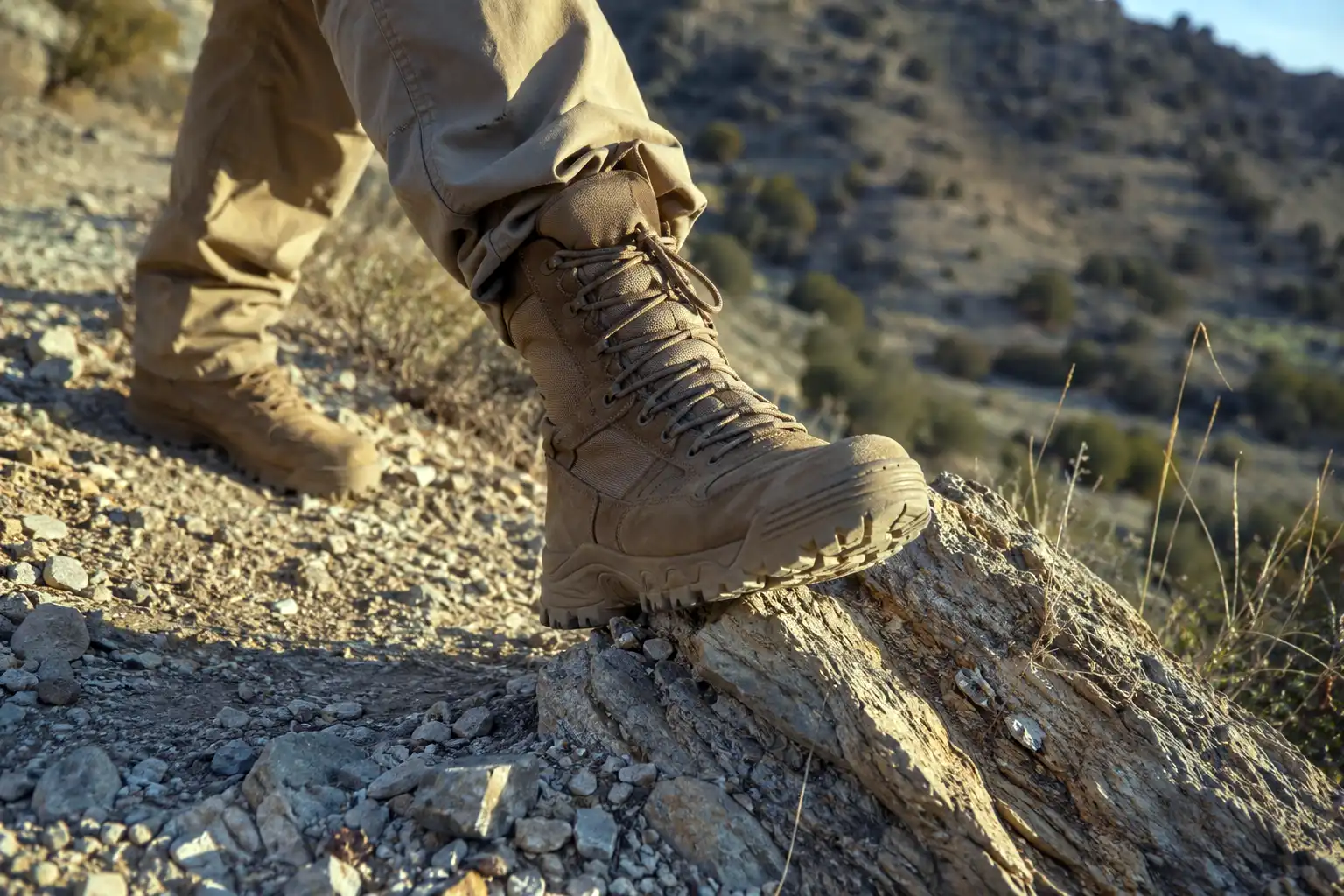
Combat boots earn their place when the trail punishes footwear. I hike the hills around Bandarban and Rangamati, and during monsoon the ground turns into deep clay, sharp bamboo stubs, and knee-deep stream crossings. Light mesh shoes shred fast in that terrain.
Pick combat boots when:
- Your hike stays short. Anything under about 10 miles keeps the weight penalty manageable.
- The route runs off-trail. Thorn, bamboo, scree, and loose rock all chew through soft uppers.
- Puncture risk is real. The steel or composite plate under the arch stops sharp objects that would go straight through a trail runner.
- Mud dominates. Deep military lug patterns shed clay far better than shallow treads.
- You already own a pair. Boots you have broken in beat boots you have not bought.
- Budget is tight. Surplus boots often cost a fraction of a name-brand hiking boot.
Combat boots also hold up better under repeated abuse. Kneeling, scrambling, and dragging your feet through rock all wear a boot fast, and military uppers take that punishment without splitting.
Finally, they suit cold and wet ground well. The tall shaft blocks water, snow, and grit that would pour into a low shoe. That said, tall shafts trap heat too, so the same feature works against you in dry heat.
When combat boots hold you back
Long mileage is where combat boots fall apart as a choice. The energy cost adds up hour after hour, and by mile 12 most hikers feel it in the hips and calves rather than the feet.
Breathability causes the next problem. Thick leather uppers hold sweat, and a soaked leather boot can take a full day or more to dry. Trench foot and blisters follow quickly in warm, wet conditions.
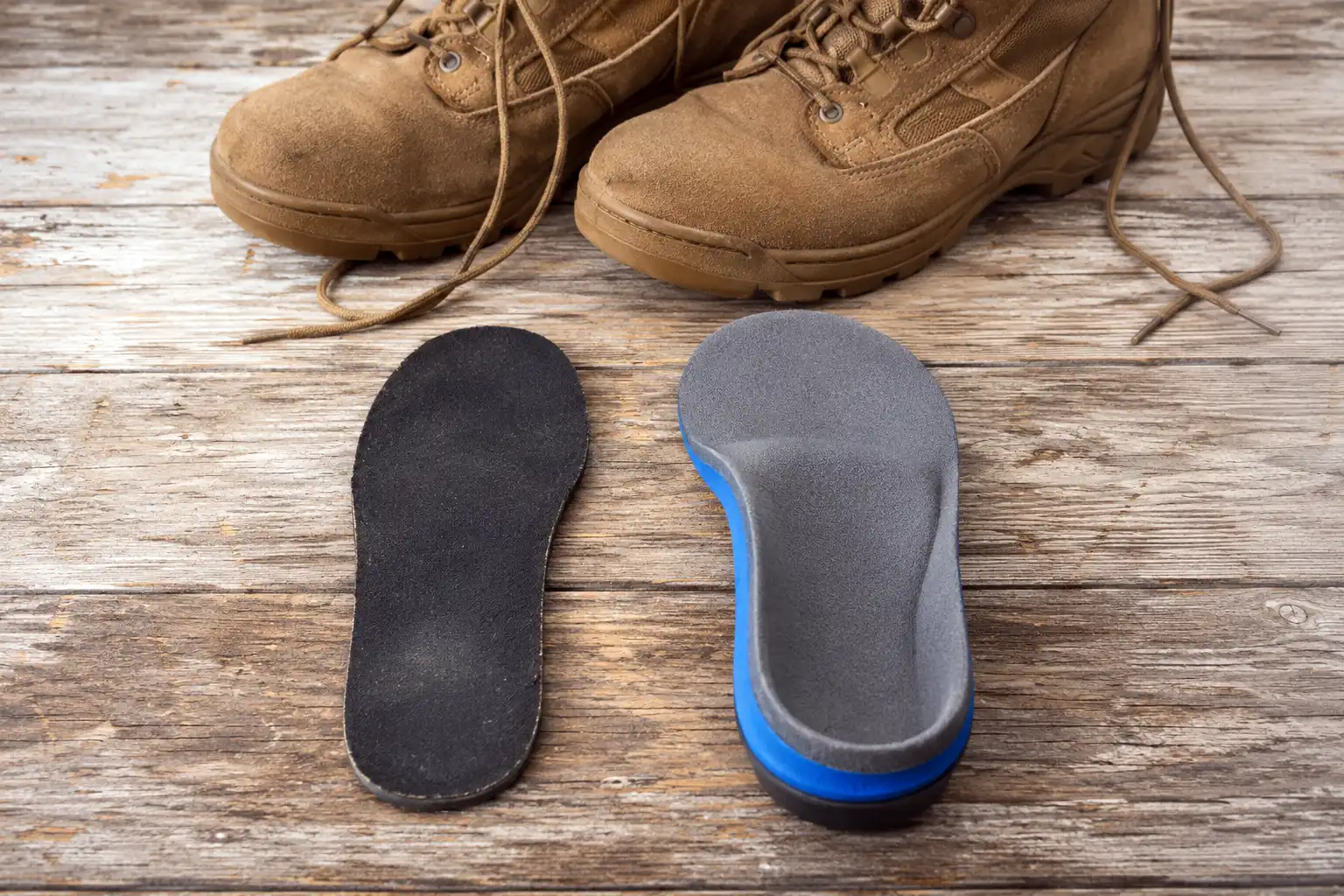
Cushioning ranks third. Factory military insoles are usually thin flat foam with no arch shape, because the boot has to fit thousands of different feet. Consequently, your feet take more impact on hard-packed trail than they would in a cushioned hiker.
Sole stiffness matters on descents. A rigid sole rolls poorly through the stride, which makes long downhills feel jarring.
Break-in time rounds out the list. Traditional all-leather combat boots need weeks of gradual wear before they stop rubbing, though modern lightweight models break in much faster. Never take a fresh pair on a long hike. Instead, follow the same schedule you would use for wearing in stiff leather boots before a big trail.
Which type of combat boot works best for hiking?
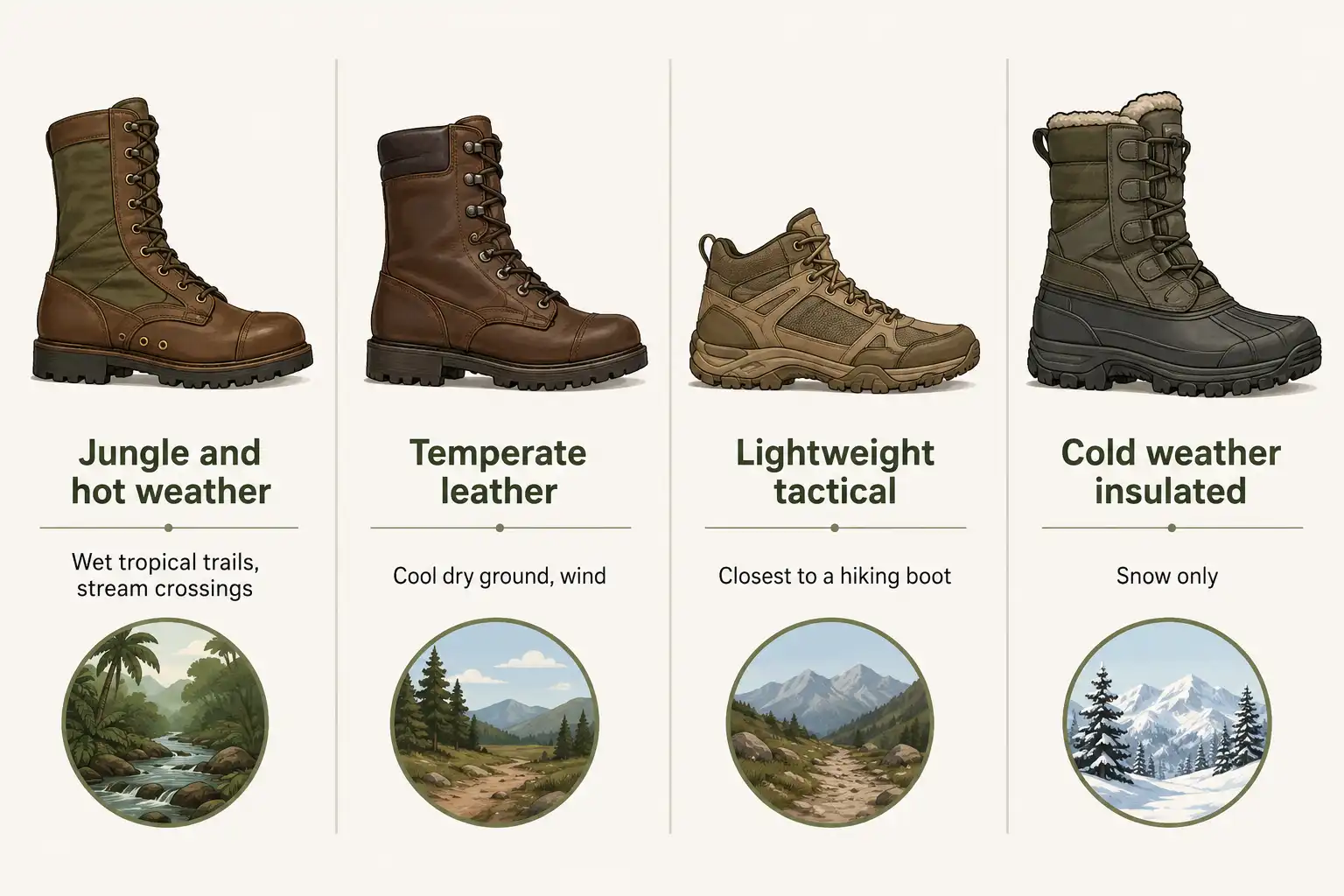
Hot weather and jungle boots suit hiking best in warm, wet climates. The US military built the jungle boot around a simple idea: no boot can seal water out and still ventilate, so let water in and drain it fast. Screened eyelets at the arch dump water after stream crossings, and canvas or nylon panels dry quickly. The Panama outsole, adopted in 1968, uses wide angled lugs that push mud out with each step.
Temperate all-leather boots work better in cool, dry conditions. They block wind and hold up to abrasion, but they soak through and stay wet in tropical rain.
Lightweight assault and tactical boots sit closest to a hiking boot. Many use athletic strobel construction, cushioned midsoles, and Vibram outsoles. As a result, they need almost no break-in.
Cold weather insulated boots only make sense in snow. Otherwise, your feet cook.
Mountain combat boots handle rough alpine ground with heavy loads. They are stiff and heavy, so save them for scree and steep rock.
One warning for wet hiking. A waterproof membrane boot keeps water out until water comes over the cuff. After that, the membrane traps it inside, and the boot stays wet for days. In monsoon terrain, a draining boot beats a sealed one.
How to make combat boots comfortable for hiking
Most complaints about hiking in combat boots trace back to setup, not the boot itself. Fix these six things first.
Replace the factory insole. This single change helps more than anything else. A cushioned aftermarket insole with real arch shape transforms a flat military footbed.
Size up for swelling. Feet swell on long hikes, so leave a thumb’s width in front of your longest toe. Many military boots also run large, so try before you commit. Every rule about how a hiking boot should sit on your foot applies here too.
Wear proper hiking socks. Cotton holds sweat and causes blisters. Merino or synthetic hiking socks pull moisture out instead, which is exactly why sock material changes so much over a long day.
Break them in gradually. Start with short walks around town, then add hills, then add a loaded pack. Two to four weeks is normal for stiff leather.
Lace for heel lock. Combat boots have plenty of eyelets and speed hooks, so use a heel lock or surgeon’s knot at the ankle. That stops the heel lift that causes blisters.
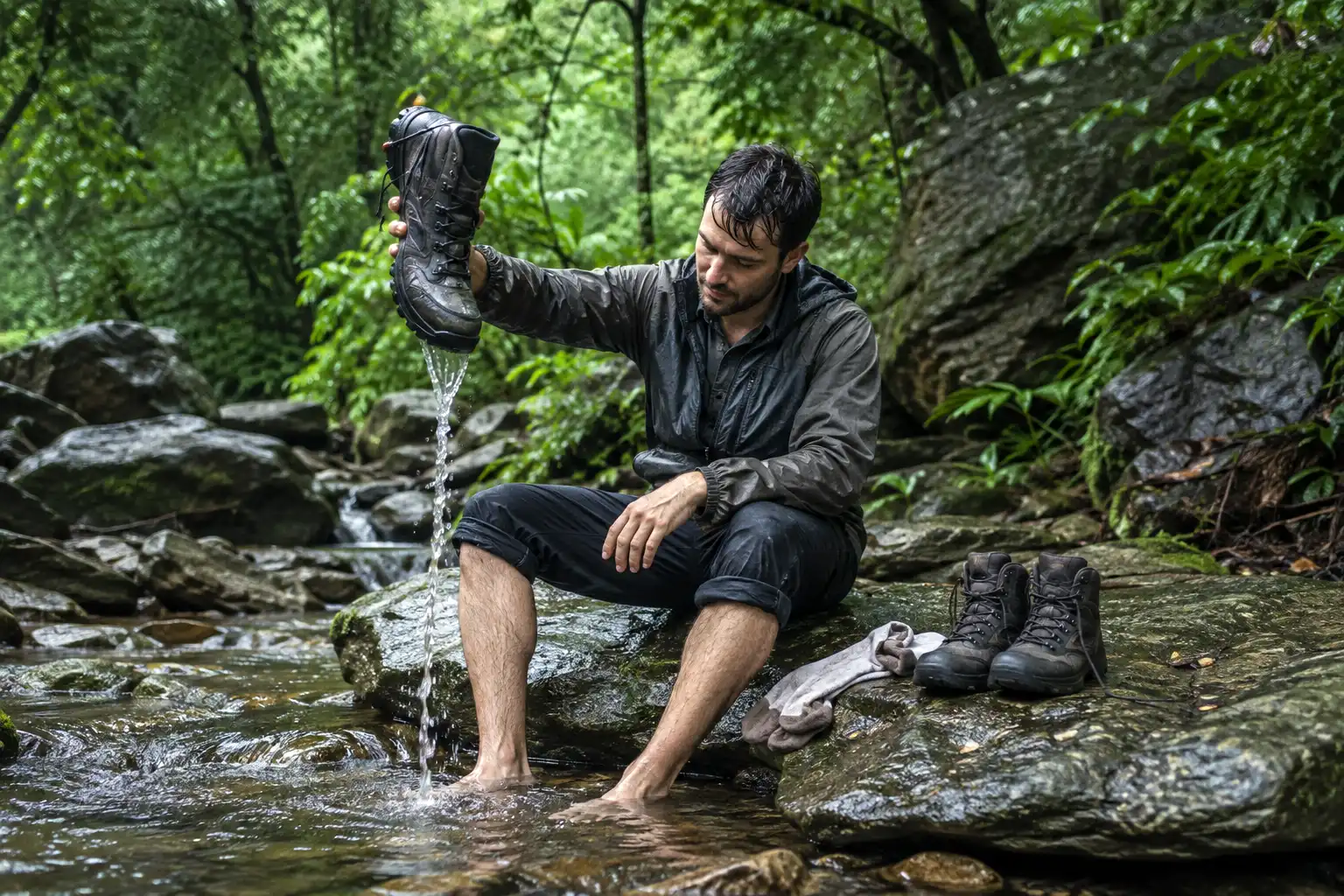
Manage water. Carry a spare pair of socks. After a crossing, drain the boot, wring the socks, and swap them at your next break.
Check the outsole regularly too. Vulcanized military soles can separate from the upper once the glue ages, and surplus boots stored for years fail this way more often than new ones.
Combat boots vs hiking boots: quick comparison
| Factor | Combat boots | Hiking boots |
|---|---|---|
| Weight per pair | 2.5 to 5 lbs | 2 to 2.5 lbs typical |
| Break-in | Days to weeks | Often minimal |
| Cushioning | Thin flat insole | Shaped, cushioned |
| Puncture protection | Common (steel plate) | Rare |
| Abrasion resistance | Excellent | Good |
| Breathability | Poor to moderate | Good |
| Best distance | Under 10 miles | Any |
| Price | Low to moderate | Moderate to high |
FAQs about Combat Boots for Hiking

Can you hike long distances in combat boots?
Are tactical boots the same as combat boots?
Do combat boots cause more blisters than hiking boots?
Are surplus combat boots worth buying for hiking?
Can you waterproof combat boots for hiking?
Final thoughts
Combat boots are a reasonable hiking option within limits. They protect well, grip mud, and survive terrain that destroys light shoes. Beyond about 10 miles, though, the weight and stiffness cost you more than the protection returns. If you already own a pair, swap the insole, buy good socks, break them in properly, and use them for short rugged hikes. If you are buying footwear specifically to hike, spend the money on a hiking boot instead.