Are KEEN Hiking Boots Good? What Buyers Get Wrong About the Grip

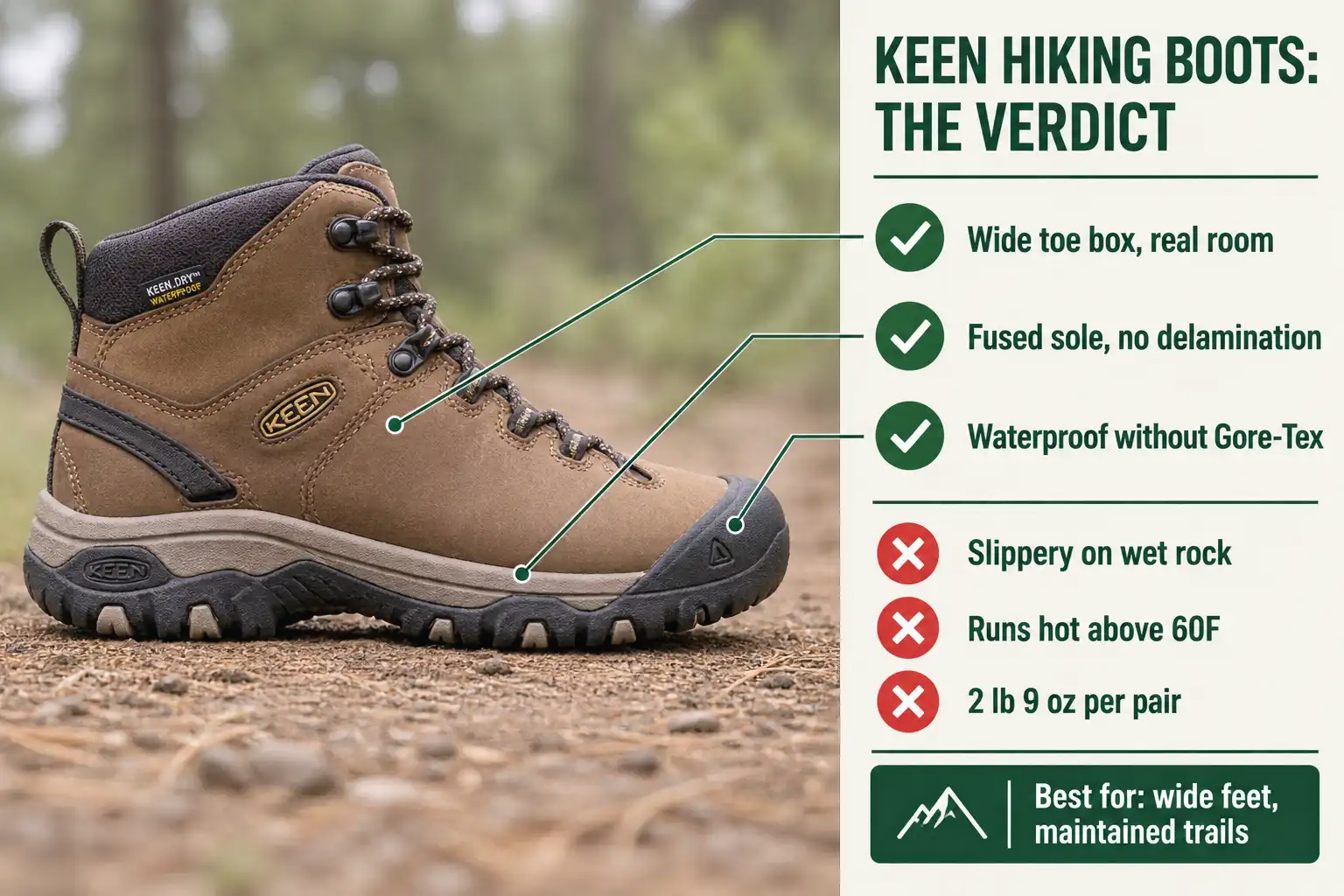
KEEN hiking boots earn praise for room and durability, then criticism for grip and weight. Both sides have a fair point. So here I cover what KEEN does well, where it disappoints, which model suits which hiker, and how to size a pair without wasting money.
KEEN hiking boots are good for hikers with wide or high volume feet who walk mostly maintained trails. They deliver strong durability, dependable waterproofing, and a roomy forefoot. However, they run heavy, breathe poorly in heat, and feel less secure on wet rock than boots with stickier rubber.
Where my read on KEEN comes from
I should say this plainly. KEEN sells poorly in Bangladesh, so I have not logged long miles in a pair myself. My hiking happens in the Bandarban and Rangamati hills, mostly in boots I can actually buy here. Therefore this article combines published lab and field testing, KEEN’s own specs, and boots I have seen on trekkers I guide. Where testers disagree, I say so instead of picking the tidy answer.
What makes KEEN hiking boots different?
Three design choices separate KEEN from most hiking brands.
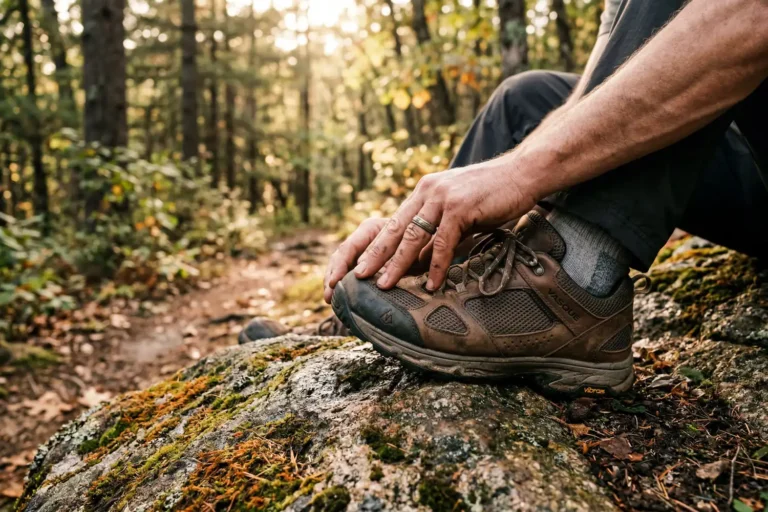
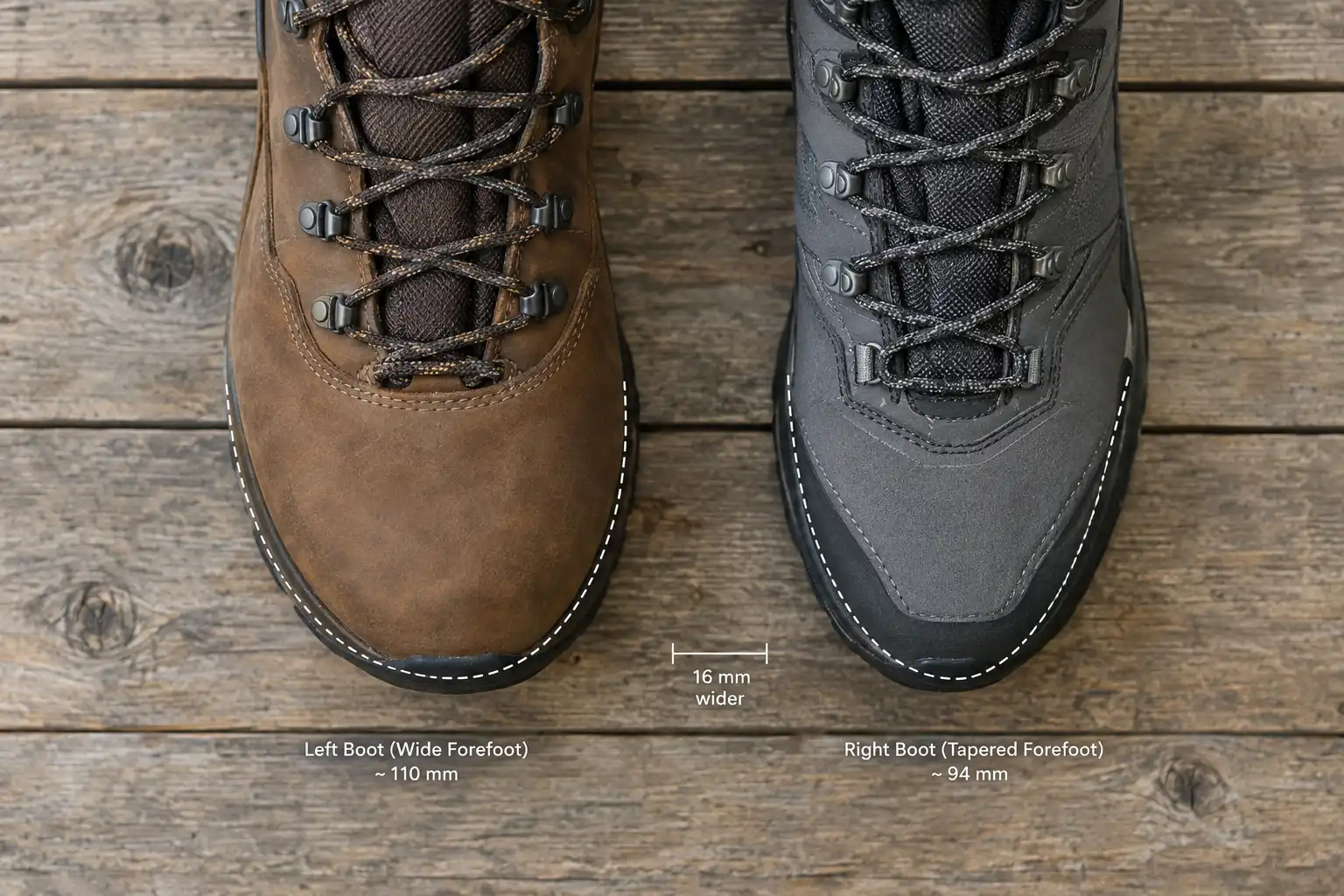
First comes the shape. KEEN calls it Original Fit, which gives generous space across the forefoot so toes can splay. Meanwhile the heel and midfoot stay closer to medium width. The boot therefore flares mainly at the front.
Second comes the toe bumper. That thick rubber cap wrapping the front absorbs kicked rocks and root strikes. One tester called it his favorite part of the design, because it prevents the early scuffs that kill cheaper boots.
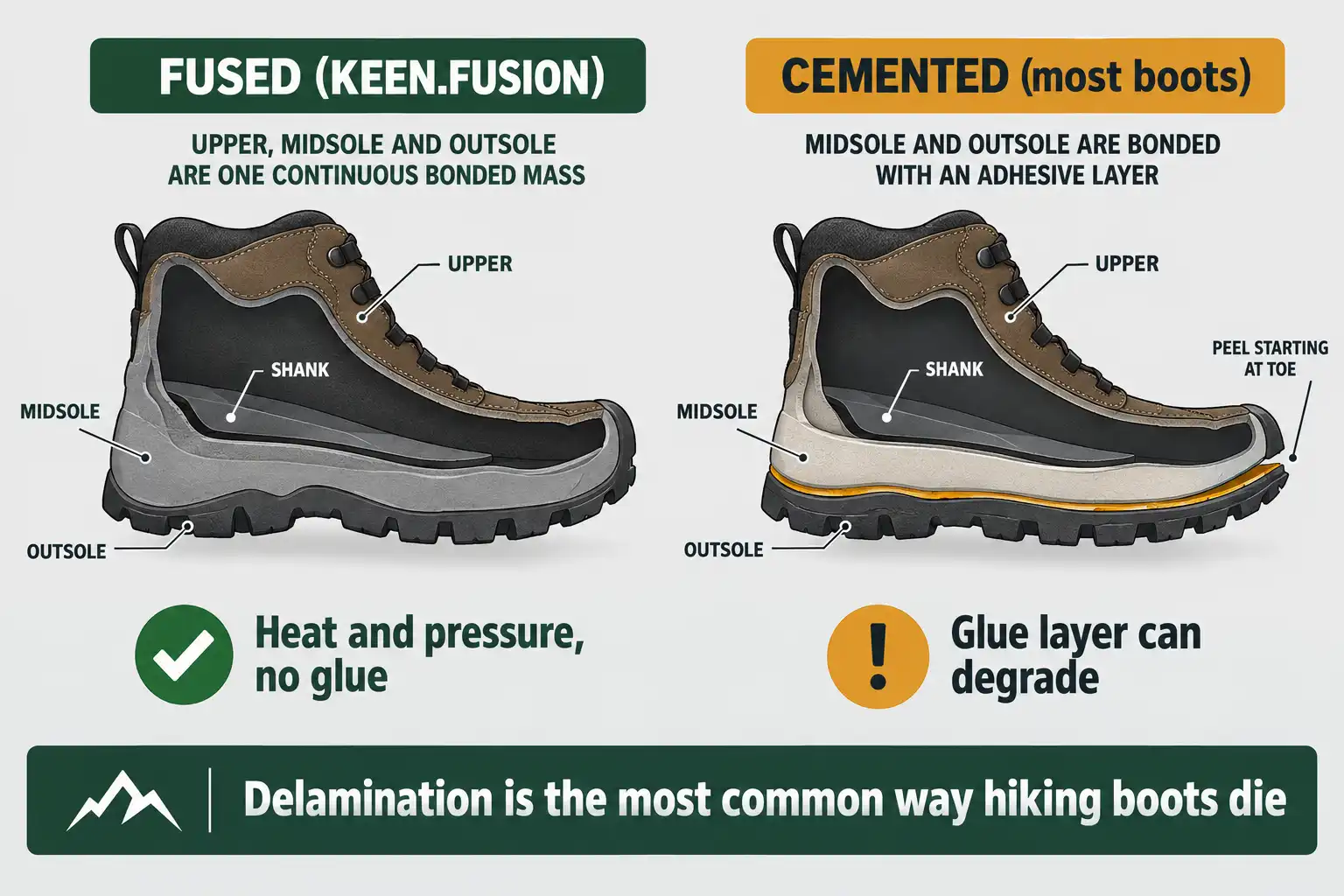
Third comes construction. On the Targhee IV, KEEN fuses the sole and upper into one piece using heat and pressure. No glue holds them together, and KEEN calls the process KEEN.FUSION. The brand also phased out PFAS in 2018, so the water repellent finish carries no forever chemicals.
Waterproof models use KEEN.DRY, an in house membrane rather than Gore-Tex. That choice keeps the price down. It also costs some breathability, which I cover further down.
The result is a protective, roomy, hard wearing boot. It is not a light or fast one.
Are KEEN hiking boots good for wide feet?
Yes, and this remains the single strongest reason to buy them. The forefoot room is genuine, not marketing.
Testers with problem feet keep confirming it. One reviewer with a wide forefoot and pinky toe bone spurs found the Targhee IV comfortable straight out of the box. She reported no rubbing across the toes at all. Another noted that the space makes thick hiking socks easy to wear without cramping.
Sizing coverage helps too. The Targhee IV comes in men’s 7 to 15 and women’s 5 to 12, in both regular and wide widths. Few hiking boots offer that spread.
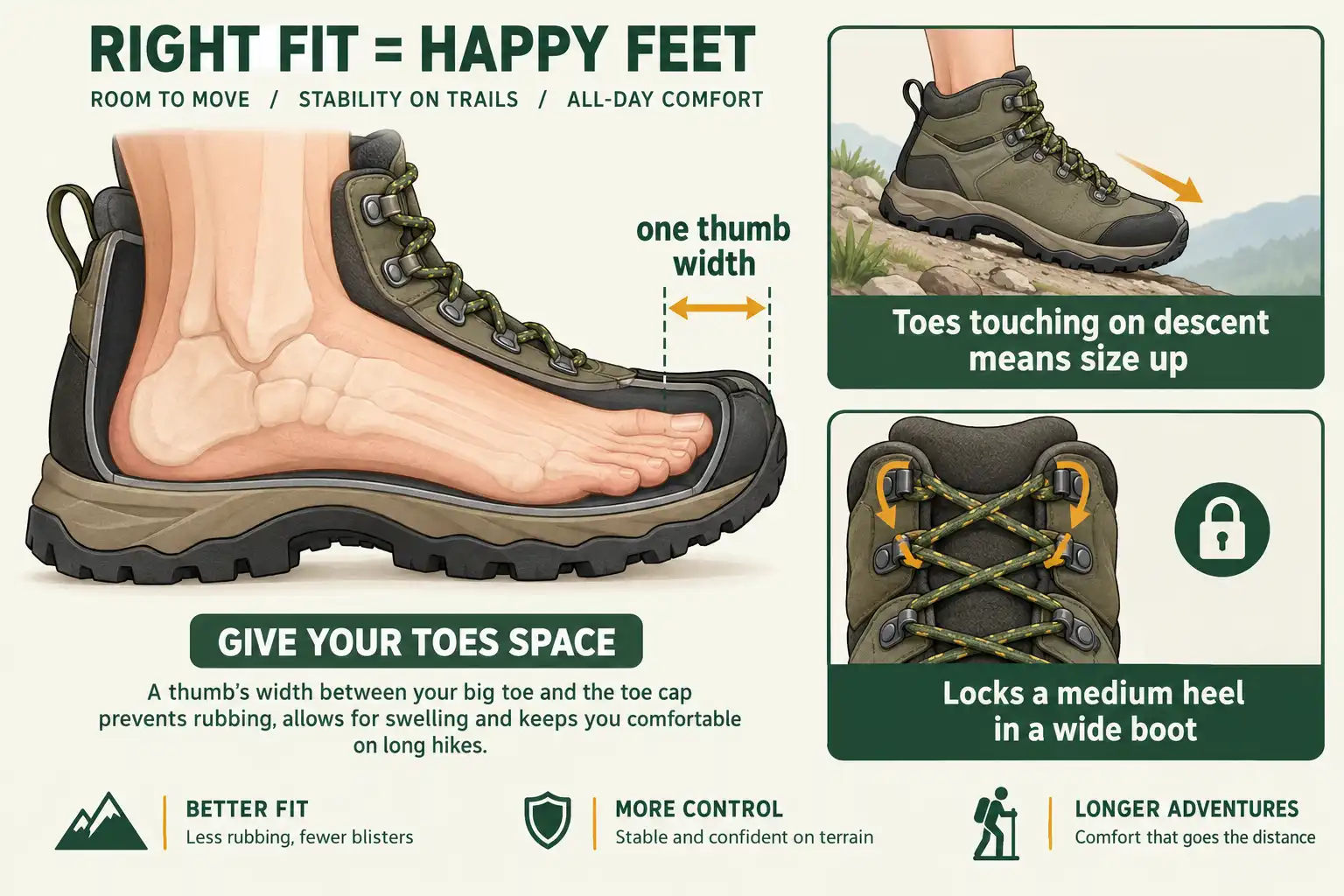
There is a catch, though. Because the toe box flares while the heel stays medium, a narrow heel can lift on climbs. A few lacing tricks that stop sore toes fix most of this, especially a proper heel lock at the top eyelets.
Hikers with narrow feet should look elsewhere. Testers repeatedly warn that narrow feet and high arches dislike the loose feel. If you have been fighting for space, though, compare KEEN against other hiking shoes built for wide feet before you commit.
How durable are KEEN hiking boots?
Durability is KEEN’s strongest measured claim, and the Targhee IV backs it with a warranty most brands avoid.
KEEN offers a Delamination-Free Guarantee on this model. If the outsole separates from the midsole, or the midsole from the upper, you get a replacement or store credit worth the purchase price. In KEEN’s own test lab, the Targhee IV survived 1,000 miles of use plus a machine built to pull the shoe apart.
The outsole matches that goal. KEEN claims its KEEN.RUGGED compound resists abrasion twice as well as rubber. Field testers agree that the lugs wear slowly, even after rocky trails and boulder fields.
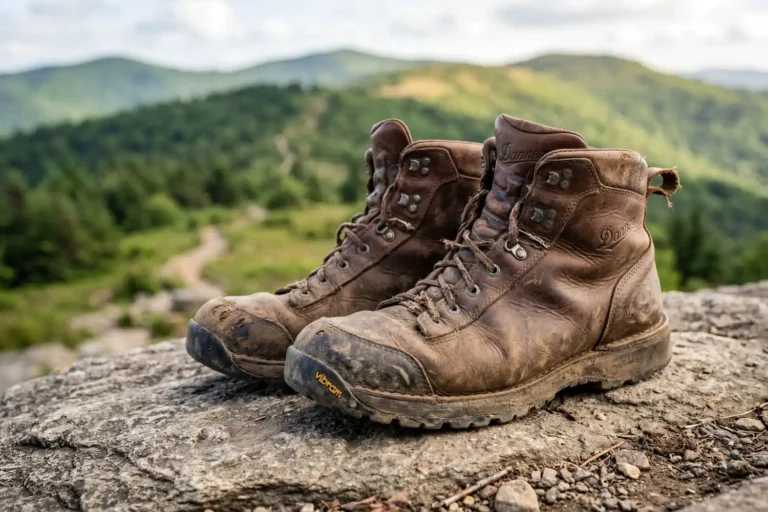
Nubuck leather does the rest. It shrugs off scrapes far better than mesh, so the upper usually outlasts the tread.
One warning matters here. KEEN hiking boots cannot go back to the factory for a resole. Only a few KEEN Utility work boots, such as the Camden and Cincinnati, use Goodyear welted construction that allows resoling. Independent cobblers will rebuild a fused hiker, but expect a compromise instead of a factory sole.
Also note the standard cover. KEEN guarantees its footwear against manufacturing defects for one year from purchase. Approved claims pay out as a single use discount code rather than cash.
Where do KEEN hiking boots fall short?
Grip on wet, smooth surfaces is the weak spot, and testers split hard on it.
One reviewer found the KEEN.RUGGED outsole as abrasion resistant as promised, yet slippery on smooth rocks and tree roots. She slipped off a boulder after a creek crossing and banged up a shin. Another slowed down deliberately on wet rock and mud, calling the grip middling next to Vibram Megagrip. Meanwhile a third tester rated traction highly across slick quartzite, snow, and mud.
Read that pattern honestly. KEEN tuned the compound for wear life, not stickiness. Consequently, dry packed trails feel fine, while polished wet stone asks for care.
Heat is the second problem. Leather, thick padding, and a membrane trap warmth, so several testers overheated once temperatures passed roughly 60°F. In my hills that alone rules the leather models out from April onward.
Weight is the third. A men’s size 9 Targhee IV Mid weighs 19.4 oz, or 550 g, per boot. Reviewers list roughly 2 lb 9 oz per pair. That sits mid pack on paper, yet the wide frame and stiff platform feel clunkier than the number suggests.
Finally, ankle support stays moderate. The soft nubuck flexes with your ankle, which suits long trail days but not heavy loads on rough ground.
How waterproof are KEEN hiking boots?
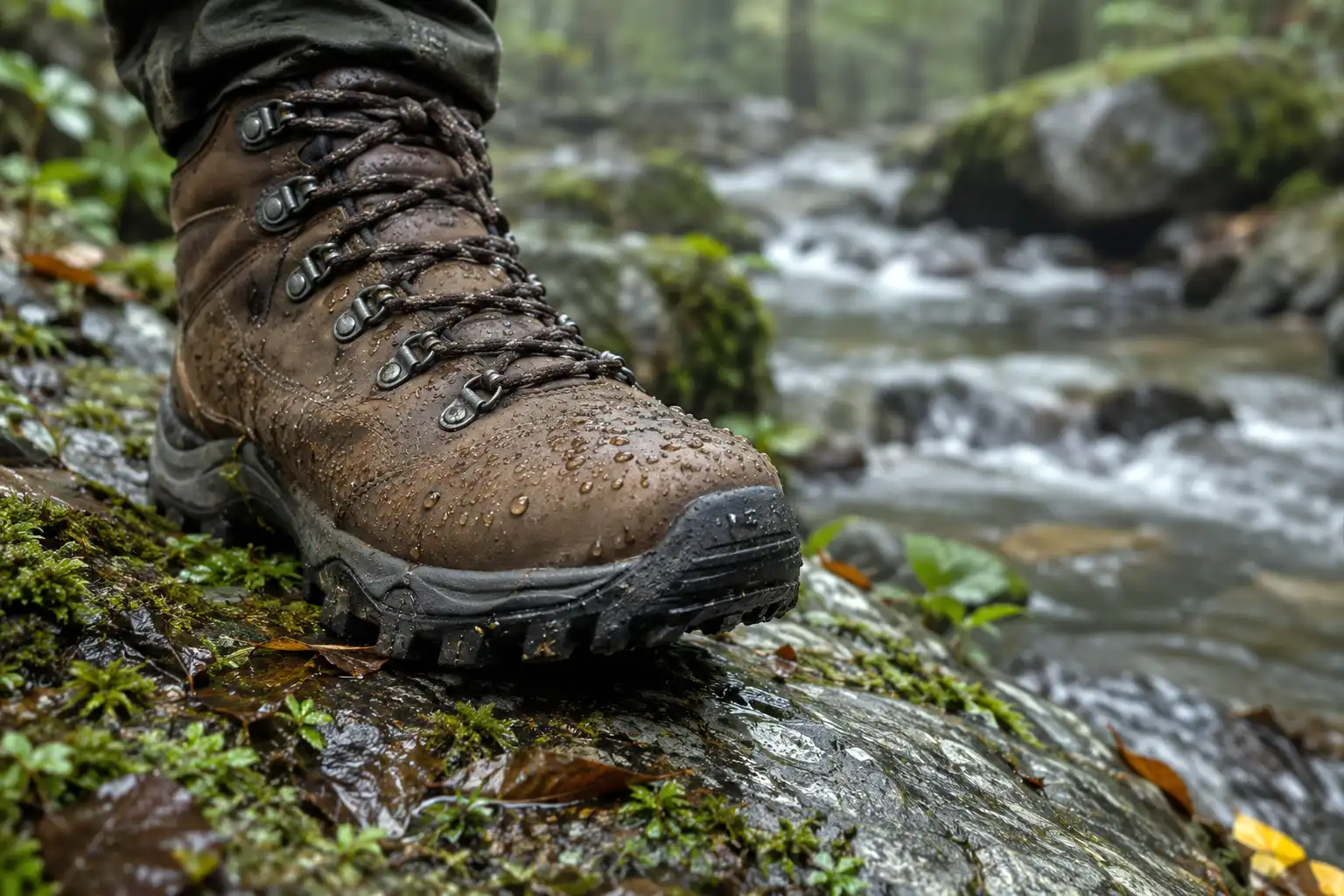
Waterproofing is reliably good, and it holds up better than the missing Gore-Tex label implies.
One tester crossed most Wind River Range creeks without leaks. The PFAS-free repellent finish also shed water well through repeated rainy days. Another stood in a stream for over a minute with almost no moisture reaching through.
Depth is the limit. The lower collar and half gusseted tongue rule these boots out for deep crossings, though ankle high water poses no problem.
Leather care decides how long that performance lasts. Nubuck needs cleaning and fresh treatment once water stops beading. Harsh products stiffen the nap, so re-waterproofing leather boots calls for a gentle approach.
Which KEEN hiking boot should you buy?
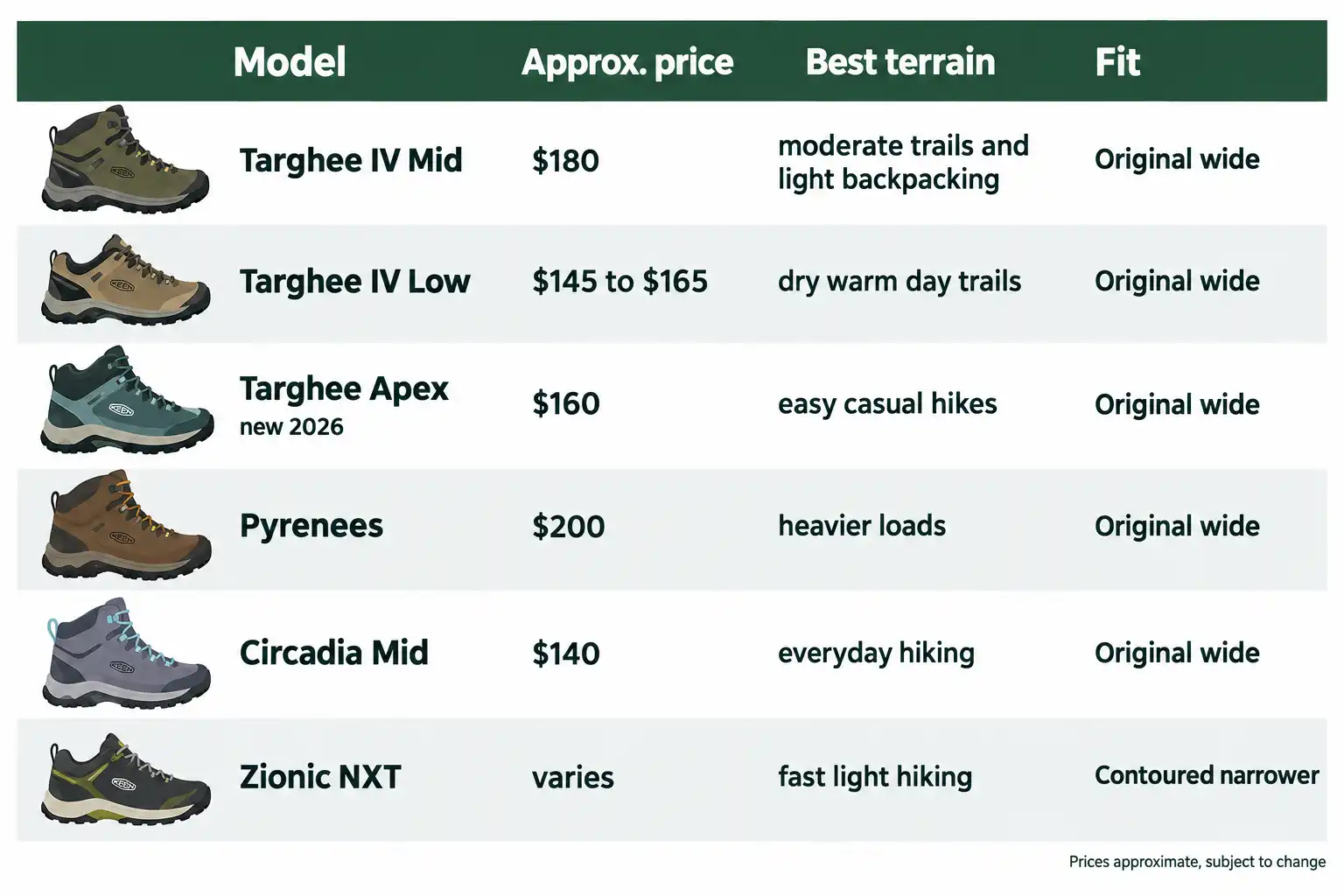
Match the model to your terrain rather than the price tag. Prices below are approximate and shift with sales, so treat them as a guide only.
| Model | Roughly | Best for | Watch out for |
|---|---|---|---|
| Targhee IV Mid Waterproof | $180 | All round day hiking, light backpacking, wide feet | Heavy, warm, average wet rock grip |
| Targhee IV Low and Vent | $145 to $165 | Dry warm trails, faster day walks | Less ankle protection |
| Targhee Apex | Newer 2026 model | Casual hikes, flexible sneaker feel | Least supportive Targhee |
| Pyrenees | $200 | Heavier loads, firmer traditional feel | Stiff, hot, priciest |
| Circadia Mid | $140 | Budget everyday hiking | Firm midsole, milder lugs |
| Zionic NXT, Hightrail, Versacore | Varies | Lighter fast hiking | Contoured fit, narrower than most KEENs |
Two notes help here. The Targhee IV stays the most supportive and protective option in the range, so most buyers should start there. Meanwhile the Zionic, Hightrail, and Versacore use KEEN’s Contoured Fit. That shape runs narrower than Original Fit while still beating most brands for room.
Choosing between the mid and the low comes down to terrain. Take the mid for loose rock and wet undergrowth. Take the low for dry, groomed trails in warm weather.
What size should you buy in KEEN?
Start half a size above your normal size, then judge length on a slope.
Reports genuinely conflict on this. KEEN itself recommends going up half a size, because the wider toe box changes how the shoe fits. Others note that KEEN.DRY models hold less toe box volume, which again points toward a half size up. Yet one long term tester found the Targhee IV true to size with no adjustment at all.
So test rather than trust a rule. Wear the socks you actually hike in. Then check for about a thumb width in front of your big toe, and walk a decline for a few minutes. Toe contact on descents means you need more length.
Width is a separate call. Order the standard width first, because Original Fit already runs generous. Only move up to the wide version if the standard pinches across the ball of your foot. The full method for fitting a hiking boot properly works for every brand, not just this one.
Who should skip KEEN hiking boots?
Skip them if any of these describe you.
Narrow or low volume feet come first. All that forefoot room turns into sliding, hot spots, and blisters.
Frequent wet rock is next. If your trails involve slick slabs, submerged stones, or scrambling, choose a Vibram Megagrip or Contragrip outsole instead.
Fast and light hikers should also pass. The Targhee IV rewards patience, not pace, so high mileage days feel like work.
Hot humid climates cause the same trouble. Here in Rangamati I would sweat through a leather membrane boot within an hour, which is exactly why I reach for vented models locally.
Finally, resole seekers should look at heritage brands. Fused construction blocks a factory resole, so the boot’s life ends when the tread does.
How does KEEN compare to other brands?
KEEN trades speed and grip for room and toughness, and its rivals invert that.
Merrell’s Moab 3 Mid sits close on price and beats the Targhee for nimbleness and cooling, though it wears out sooner. Salomon uses Contragrip rubber that holds wet rock better, but the fit runs noticeably narrower. Hoka’s Kaha 3 pairs Gore-Tex with a Vibram Megagrip outsole and plush cushioning, yet costs more and weighs plenty.
Budget shoppers often compare against Columbia too. Looking at how Columbia’s leather boots hold up shows where that cheaper build sits against KEEN’s construction.
How to make a pair of KEENs last
Small habits stretch these boots a long way.
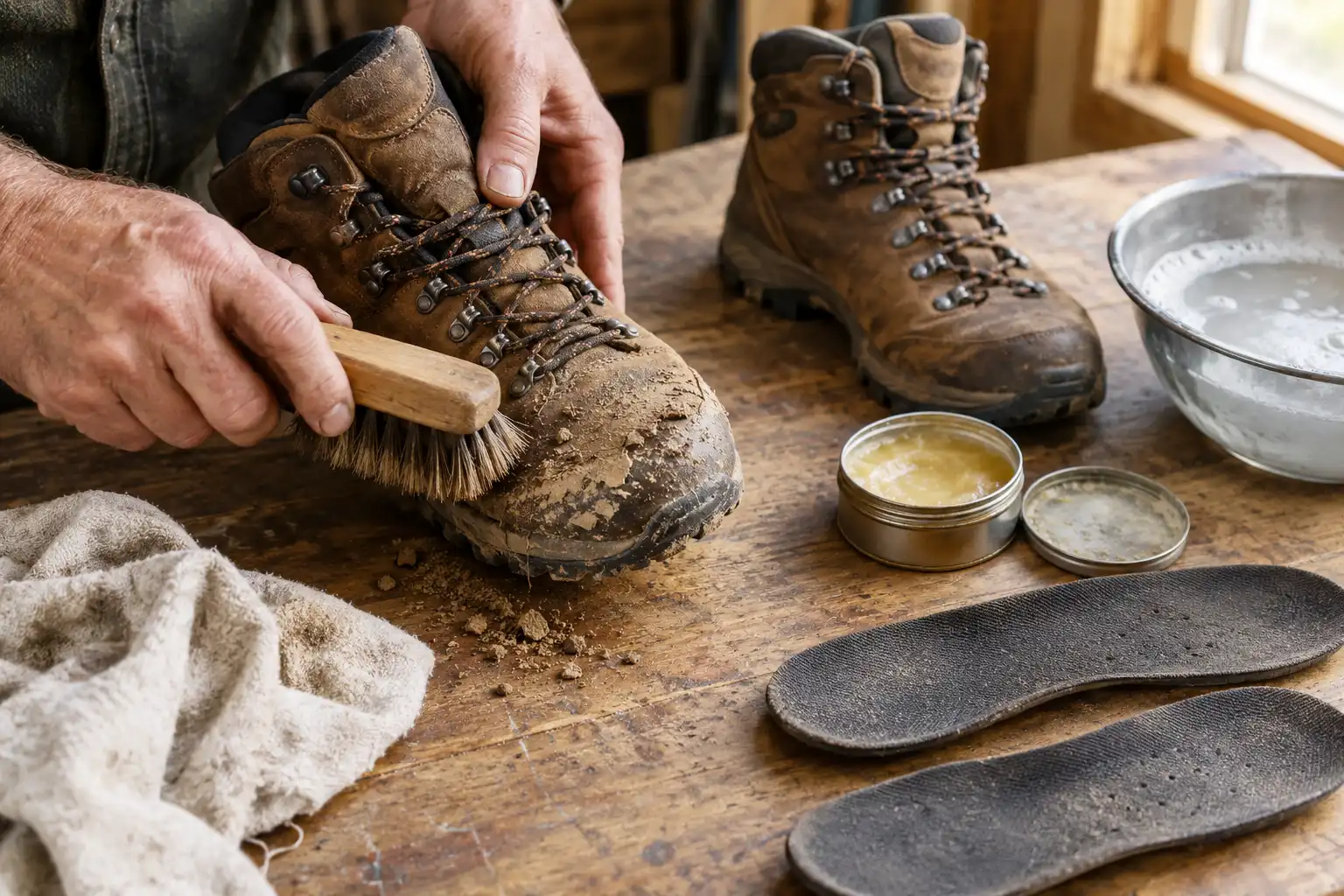
Clean them with mild soap and cold water, then air dry away from heat. Heat cracks nubuck fast. Also condition the leather every season, and re-treat the finish once water stops beading.
Swap the footbed when cushioning flattens, since KEEN uses a removable insole. Meanwhile watch the lugs, because tread depth usually decides retirement, not the upper. Learning when a pair is worn out saves you from hiking on dead tread.
One last habit matters most. Break the boots in before a long trail, because stiff leather needs roughly 15 miles of easy walking to settle.
FAQs about KEEN Hiking Boots

Are KEEN hiking boots good for backpacking?
Do KEEN hiking boots run big or small?
Are KEEN boots waterproof without Gore-Tex?
Can KEEN hiking boots be resoled?
How long do KEEN hiking boots last?
Bottom Lines
KEEN hiking boots are a smart buy for one specific hiker: someone with wide feet who values durability over speed and sticks to maintained trails. The Targhee IV delivers real toe room, honest waterproofing, and a delamination guarantee nobody else matches. However, the durability first outsole gives up bite on wet rock, and the leather runs hot. Match the model to your terrain, size with the socks you hike in, and these boots will outlast most of what else you own.