How Long Does It Take to Hike a Mile? Pace by Terrain and Grade

New hikers ask me this before almost every trip they plan. The answer shifts with the trail under your feet. Even so, there are dependable numbers you can build a plan around. Below I break down mile times by terrain, grade, pack weight, and fitness, plus the two formulas I run before every hike.
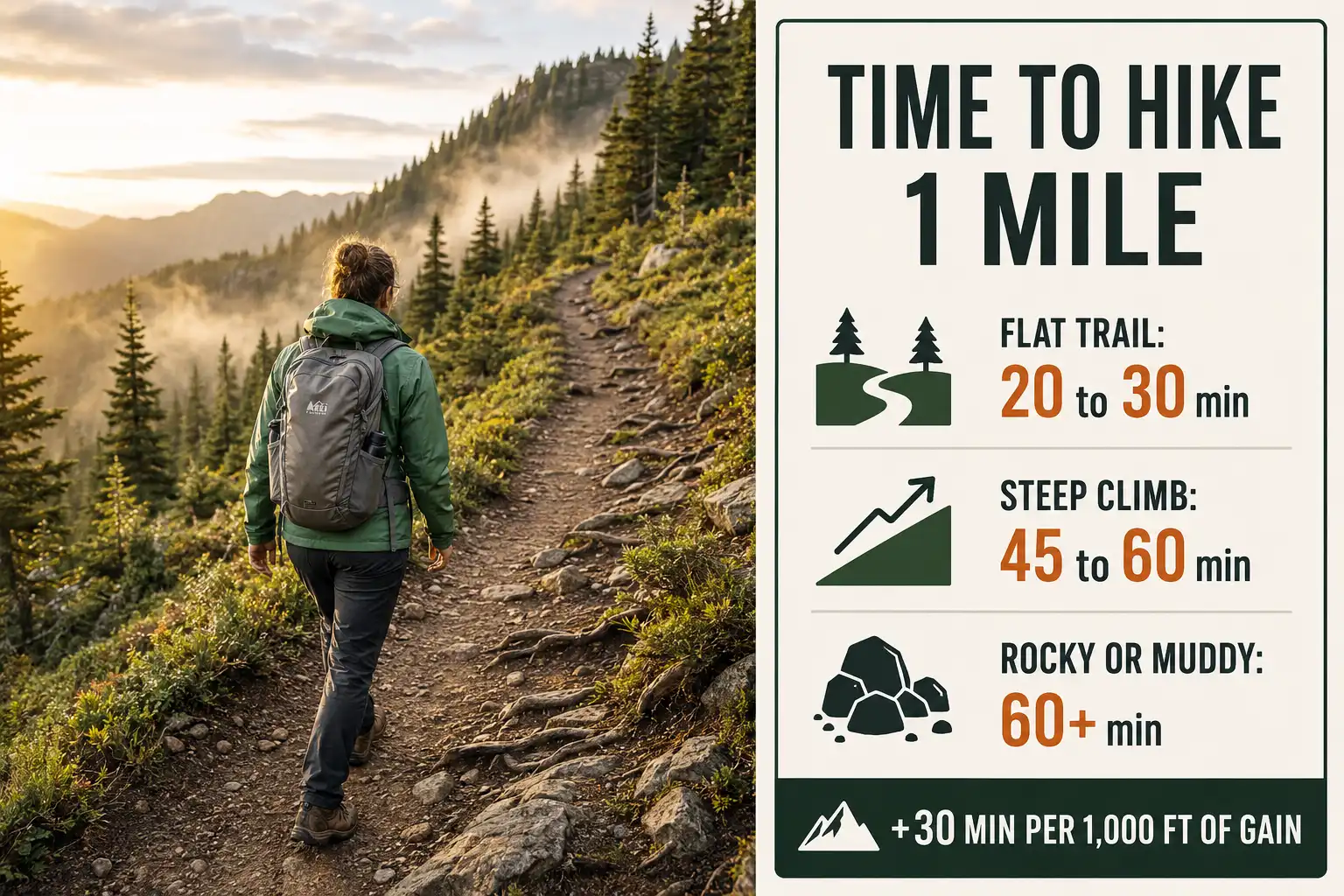
Most hikers cover a mile in 20 to 30 minutes on flat, well-maintained trail. Add about 30 minutes for every 1,000 feet of climbing on top of that. So a steep mile with 800 feet of gain often takes 45 to 60 minutes, and rough or muddy ground can stretch a single mile past the hour mark.
Here is how the ranges break down by condition:
| Trail conditions | Time per mile | Speed |
|---|---|---|
| Flat packed dirt or gravel path | 17 to 20 min | 3.0 to 3.5 mph |
| Rolling trail, light day pack | 20 to 30 min | 2.0 to 3.0 mph |
| Moderate climb, about 500 ft per mile | 30 to 40 min | 1.5 to 2.0 mph |
| Steep climb, 1,000 ft or more per mile | 45 to 75 min | 0.8 to 1.3 mph |
| Rocky scramble, mud, snow, or off trail | 60 to 90+ min | under 1 mph |
| Heavy multi-day pack | add 15 to 25% | varies |
Those ranges cover most day hikers. However, your own number beats any average, and I show you how to find it further down.
Read next: Permit to Hike The Narrows
What counts as a normal hiking pace?
A normal hiking pace sits between 2 and 3 miles per hour, which comes out to 20 to 30 minutes per mile. Beginners and hikers carrying a full overnight load often drop to 1.5 mph or slower.
For comparison, most healthy adults walk about 2.7 to 3.1 mph on flat pavement. Trail speed falls below that because the surface fights you. Roots, loose stone, stream crossings, and constant small elevation changes all cost seconds that add up fast.
Terrain modeling backs this up. Waldo Tobler’s hiking function puts level-ground speed at 5 km/h, roughly 3.1 mph, but tells you to multiply that by three fifths once you leave the path. That drops an off-trail mile to about 2 mph before you add any climbing at all.
So if your app says 20 minutes per mile and you are walking through bamboo undergrowth, expect closer to 30. I plan for the slower figure every time.
How long does it take to hike a mile uphill?
Uphill, a mile usually takes 30 to 60 minutes depending on the grade. The standard planning rule adds 30 minutes for every 1,000 feet of elevation gain on top of your flat-ground time.
Grade matters more than raw distance here. A mile with 1,000 feet of gain works out to roughly a 19 percent grade, which is genuinely steep. Testing by Mountain Tactical Institute found that adding 10 percent of grade cuts hiking speed by about a third. Tobler’s model agrees, dropping speed to around 1.4 mph on a 20 percent uphill grade.
Here is what that looks like in practice:
| Elevation gain per mile | Rough time for that mile |
|---|---|
| 200 to 300 ft (gentle) | 25 to 35 min |
| 500 to 600 ft (moderate) | 35 to 45 min |
| 800 to 1,000 ft (steep) | 45 to 60 min |
| Over 1,200 ft (very steep) | 60 to 90 min |
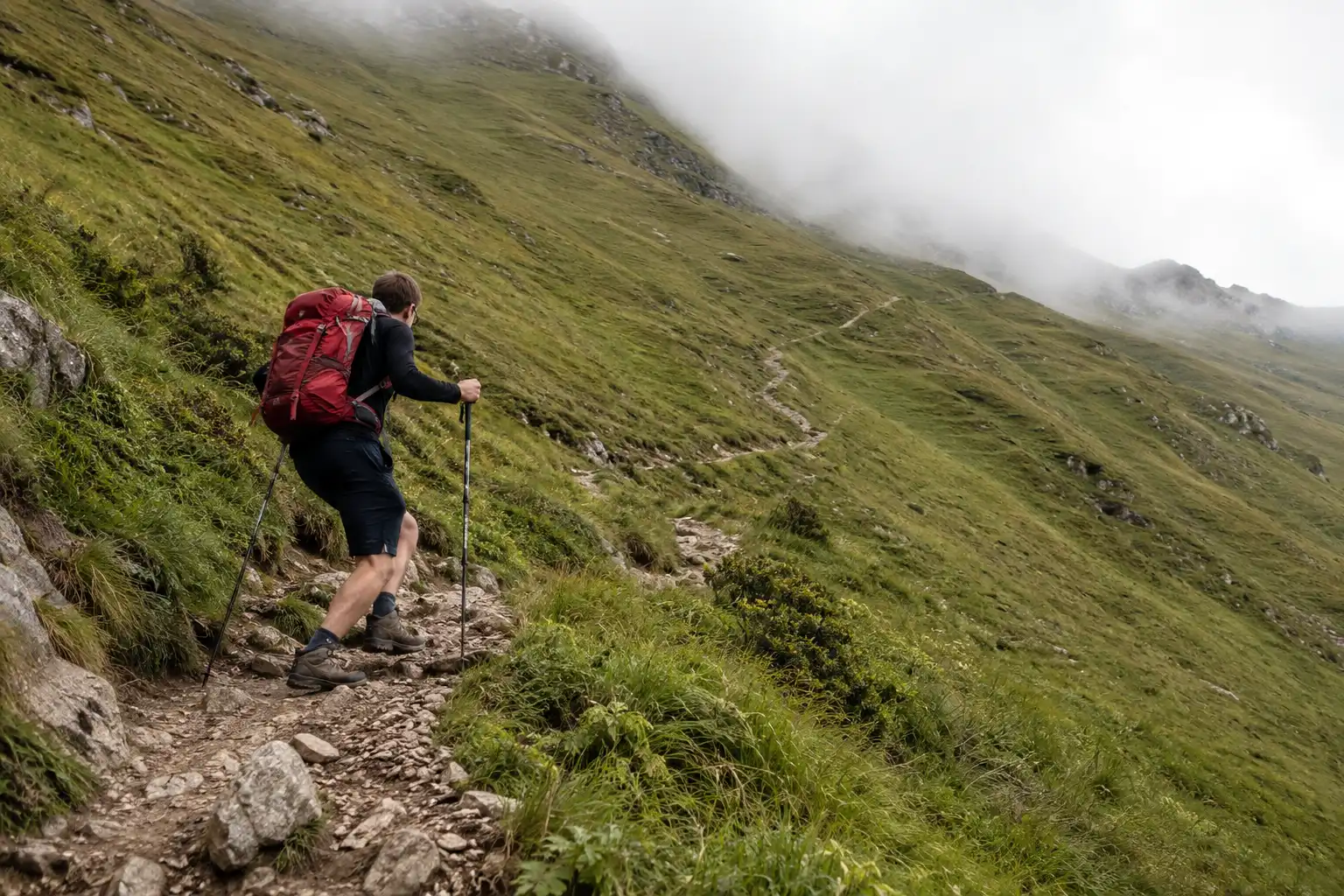
Before you commit to a route, check the total gain and not just the mileage. Learning how much elevation gain counts as a lot for a day hike will save you from booking a 6 mile trail that eats nine hours. Also work on climbing uphill without draining your energy too fast, because pace collapse on a long ascent usually comes from starting too hard rather than from poor fitness.
How long does it take to hike a mile downhill?
Downhill, a mile takes 15 to 25 minutes on a gentle grade and 25 to 45 minutes on a steep or rocky one. Descending speeds you up only to a point, then it slows you back down.
Walking speed actually peaks on a slight downgrade of about 5 percent, near 3.7 mph. After that, gravity stops helping. On anything steeper than roughly 12 degrees you brake with every single step, and your quads take the load instead of your lungs.
Eric Langmuir built this into the classic planning rules. He subtracts 10 minutes per 1,000 feet of descent on moderate slopes between 5 and 12 degrees, then adds 10 minutes per 1,000 feet once the slope passes 12 degrees.
Wet rock and loose scree slow things further. Because descent is where most trail injuries happen, I never bank on a fast return leg. If you already deal with knee pain on steep descents, plan your downhill mile at the same speed as your uphill mile and you will finish comfortably.
Two formulas that estimate hiking time well
Two rules cover almost every planning situation. I use both, then pick whichever suits the group.
Naismith’s rule
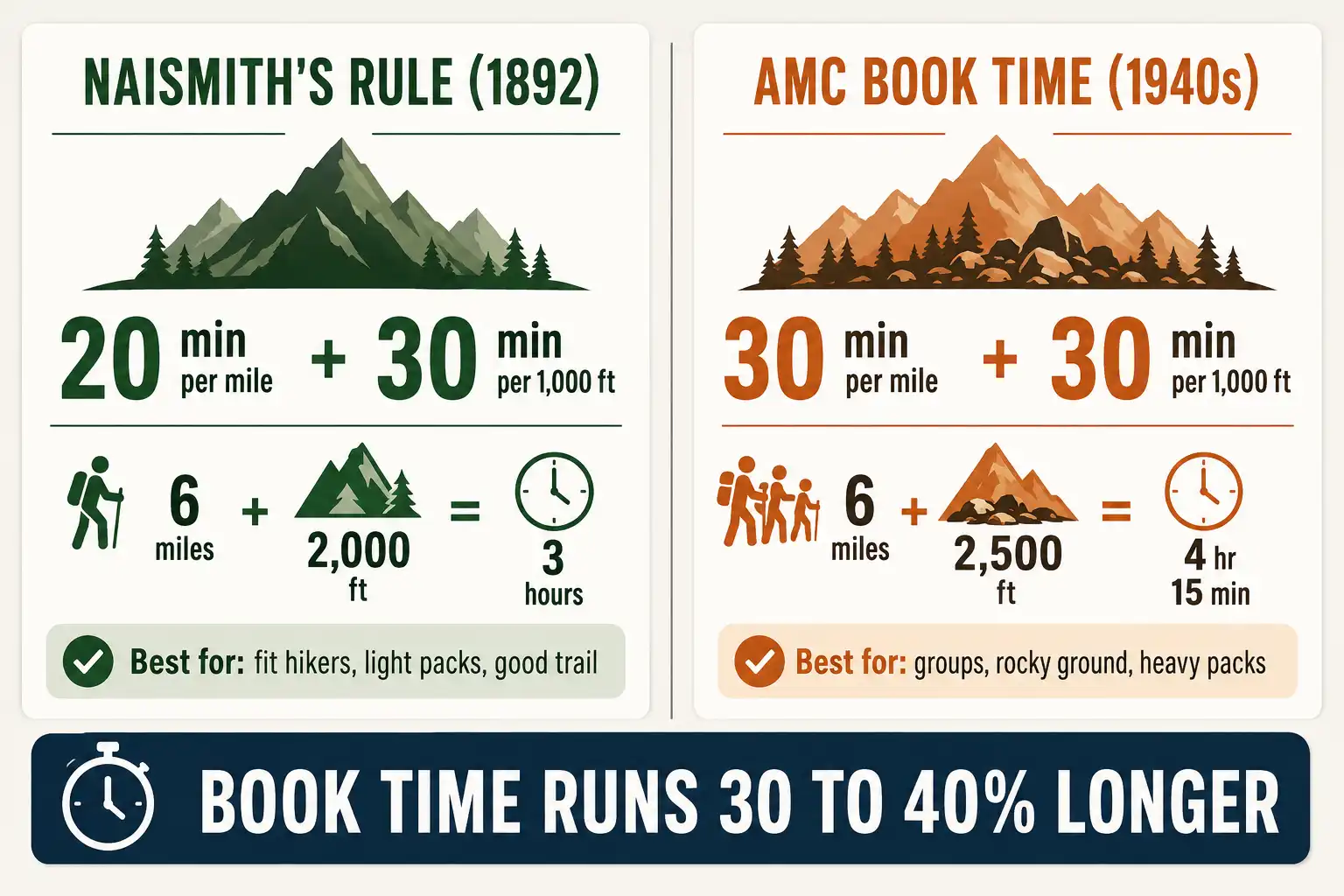
Scottish mountaineer William Naismith published this in 1892: allow one hour per 3 miles, plus one hour per 2,000 feet of ascent. That equals 20 minutes per mile plus 30 minutes per 1,000 feet of gain.
Example: a 6 mile hike with 2,000 feet of gain comes to 2 hours plus 1 hour, so 3 hours total.
Naismith assumed a fit walker, decent trail, light load, and no breaks. Therefore treat the result as your best case, not your plan.
AMC Book Time
The Appalachian Mountain Club’s White Mountain Guide has used Book Time since the 1940s: allow 30 minutes per mile, plus 30 minutes per 1,000 feet of ascent. Descent counts the same as flat walking.
Example: a 6 mile hike with 2,500 feet of gain comes to 3 hours plus 1 hour 15 minutes, so 4 hours 15 minutes.
Book Time typically runs 30 to 40 percent longer than Naismith, which makes it the safer choice.
Which formula should you use?
Use Naismith if you hike often, carry under 15 pounds, and stick to graded trail. Use Book Time for groups, rocky ground, heavy packs, winter conditions, or any hike where you are new to the terrain. In the hills near home I default to Book Time and then add a rest allowance on top.
What slows your mile down?
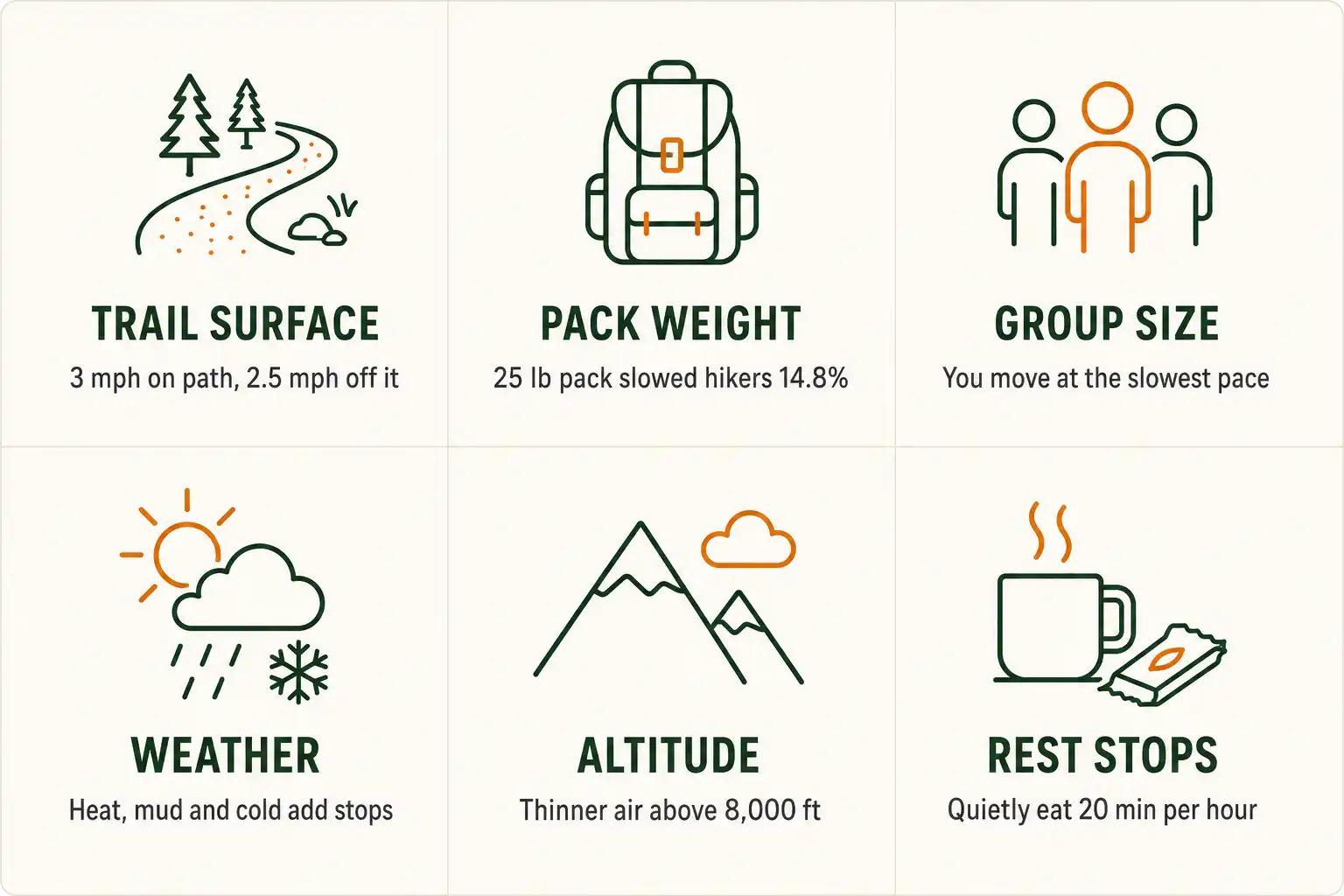
Six factors account for most of the difference between an estimate and reality.
Trail surface. Robert Aitken’s correction assumes 3 mph on paths, tracks, and roads, dropping to 2.5 mph on everything else. Mud, sand, snow, and river rock push it lower still.
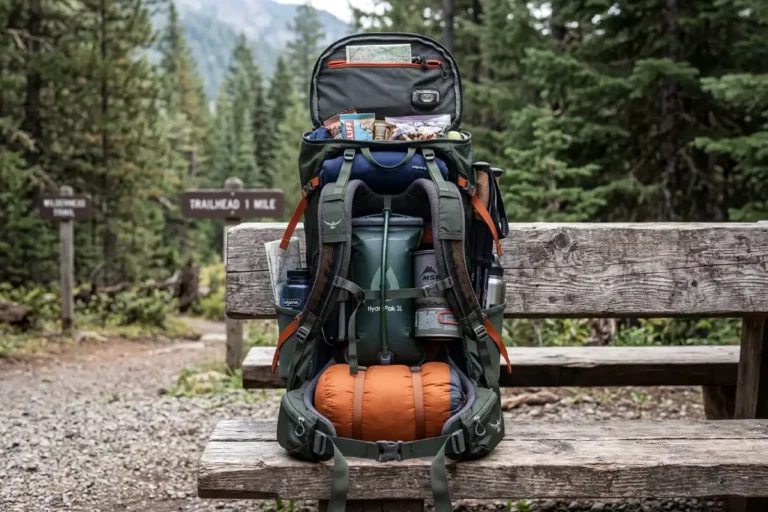
Pack weight. In one controlled test, switching from a 10 pound pack to a 25 pound pack slowed every participant, by 14.8 percent on average. A separate rule of thumb costs you about six seconds per mile for each 1 percent of body weight you carry, and it holds until your load passes roughly 40 percent of body weight. Sorting out how heavy your hiking backpack should be is the cheapest speed gain available.
Group size. You move at the pace of the slowest person, and that pace drops as the group grows. Plan on the slowest member, not the average.
Weather and footing. Heat forces longer breaks. Rain turns clay to grease. Cold adds layer stops.
Altitude. Above about 8,000 feet, thinner air trims your sustainable pace even if you feel fine at the trailhead.
Stops you forget to count. Photos, snacks, map checks, and filter breaks quietly eat 20 minutes an hour.
Moving time and total time are not the same
Moving time counts only the minutes you are actually walking. Total time includes every break, and it usually runs 15 to 25 percent longer than moving time.
Most planning guidance suggests 5 to 15 minutes of rest per hour of hiking, plus a 20 to 30 minute meal stop on anything over four hours. So a mile you cover in 20 minutes of moving time becomes a 25 minute mile once you account for the trip as a whole.
This gap explains why a trail app promises four hours and you arrive at the car after five and a half. Pacing yourself properly over a long day closes most of that gap, since a steady rhythm needs fewer recovery stops than a fast start followed by long collapses.
How to measure your own mile pace
Averages get you started. Your personal number gets you home before dark. Here is the method I use.
- Pick a flat trail with a known distance, ideally 2 to 3 miles.
- Walk it at a pace you could hold for four hours, not a pace you can hold for ten minutes.
- Record moving time only, then divide by the mileage. That is your flat mile.
- Repeat on a climb with known elevation gain, and note the time.
- Compare both results against Book Time and write down the percentage.
Say Book Time predicts 4 hours and you finish in 3 hours 20 minutes. You run at 83 percent of Book Time. From then on, multiply any Book Time estimate by 0.83 and you will have a genuinely useful number.
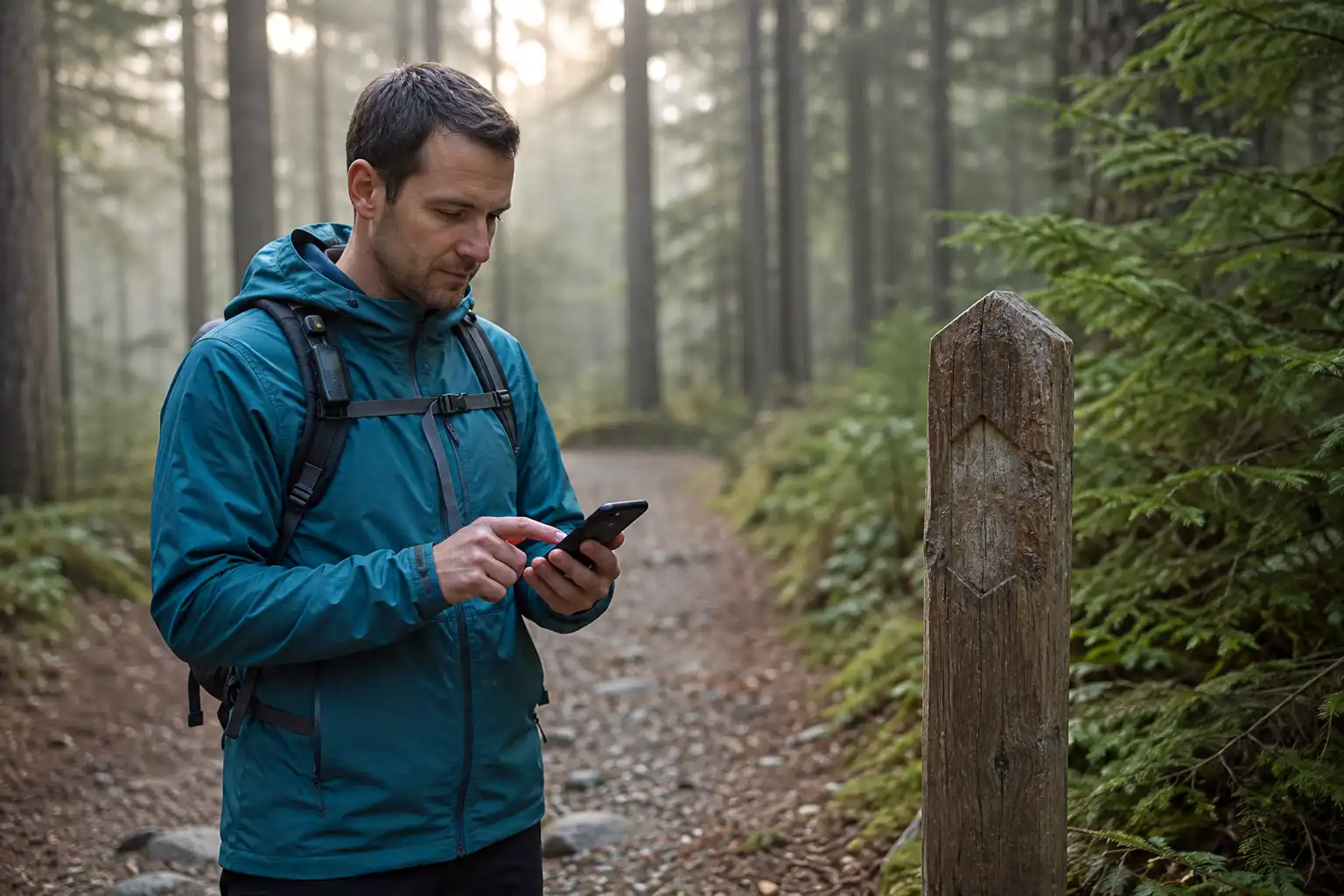
Re-test twice a year, because fitness moves in both directions.
What a mile feels like in the Chittagong Hill Tracts
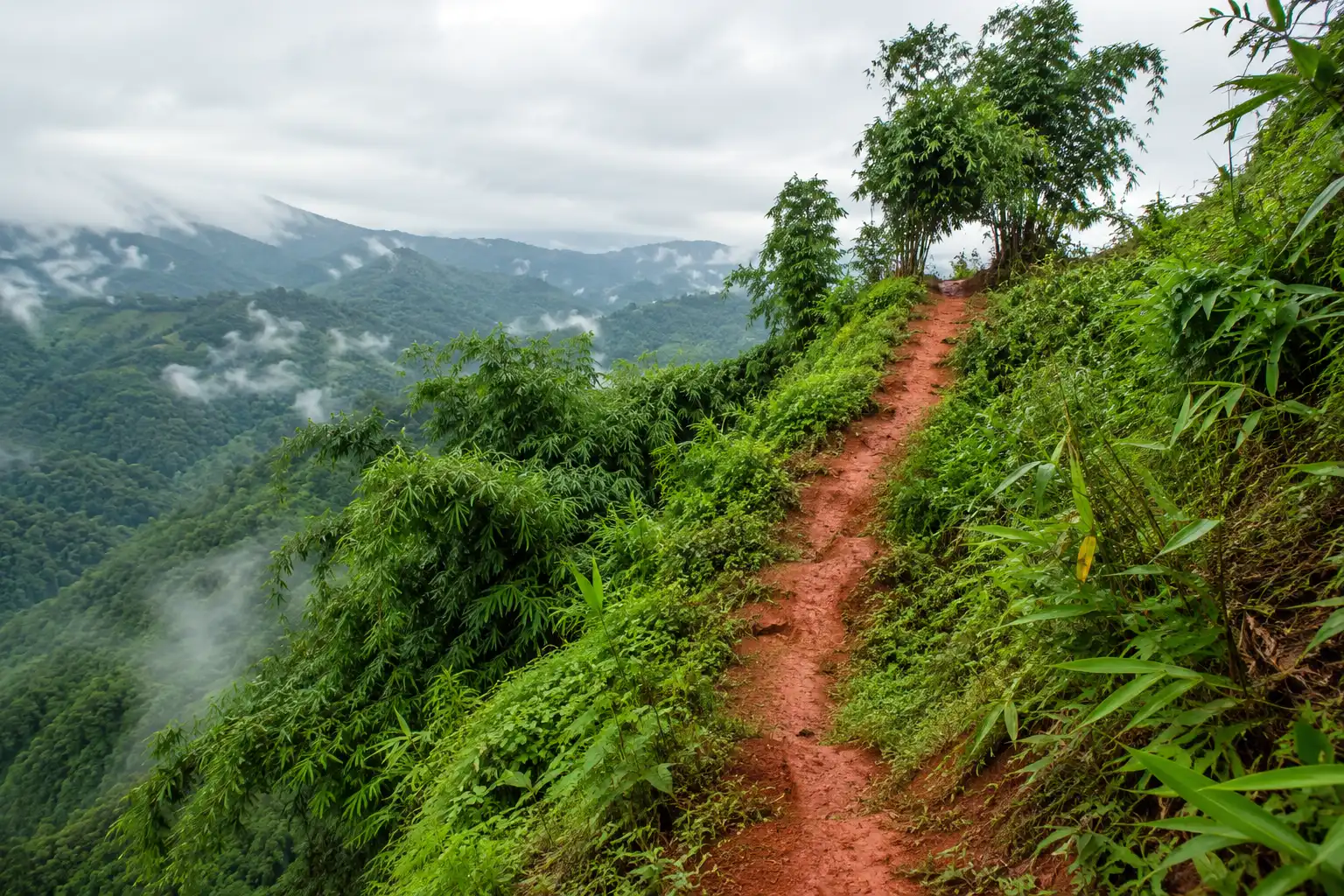
Numbers behave differently here, and I learned that the slow way. Humidity above 80 percent, red clay that turns slick within minutes of rain, and bamboo steps cut into slopes all push my mile times well past what any formula predicts.
On the climb toward Keokradong I plan 45 to 55 minutes per mile, even though the raw distance looks modest. Along river routes near Remakri and Nafakhum, wet boulder hopping can take a full hour per mile, and stream crossings add more. Around Kaptai, where the trails run gentler, I still budget 30 minutes per mile in the dry season.
If you are planning a multi-day trip in this region, work out how many miles you can safely cover in a day before you fix your camp locations. Guides here often quote walking times rather than distances, and now you know why.
How to hike a mile faster without burning out
Small adjustments beat brute effort every time.
- Shorten your stride on climbs. Keep your cadence steady and take smaller steps. Speed comes from not stopping, not from big strides.
- Use the rest step. On steep pitches, lock your rear leg briefly between steps. It gives your muscles a fraction of a second to recover.
- Cut pack weight first. Every pound you drop pays back on every mile of every trip.
- Add trekking poles. They steady you on descents and take load off your knees, which protects your pace late in the day.
- Take shorter, more frequent breaks. Five minutes every hour beats twenty minutes every three hours.
- Train on hills, not flat ground. Flat fitness does not transfer well to a 19 percent grade.
Frequently asked questions

Is a 30 minute mile slow for hiking?
How long does it take to hike 3 miles?
How long does it take to hike 5 miles?
Is hiking a mile harder than walking a mile?
How long does a mile take with young children?
The Final Verdict
Plan 20 to 30 minutes for a flat mile, and add 30 minutes for every 1,000 feet you climb. Then add 15 to 25 percent for breaks. Use Naismith’s rule when you are fit and light, and Book Time when you are not. After a few timed hikes you will know your own percentage, and at that point you can stop guessing entirely. Accurate time estimates keep you off the trail after dark, which is the whole reason this number matters.